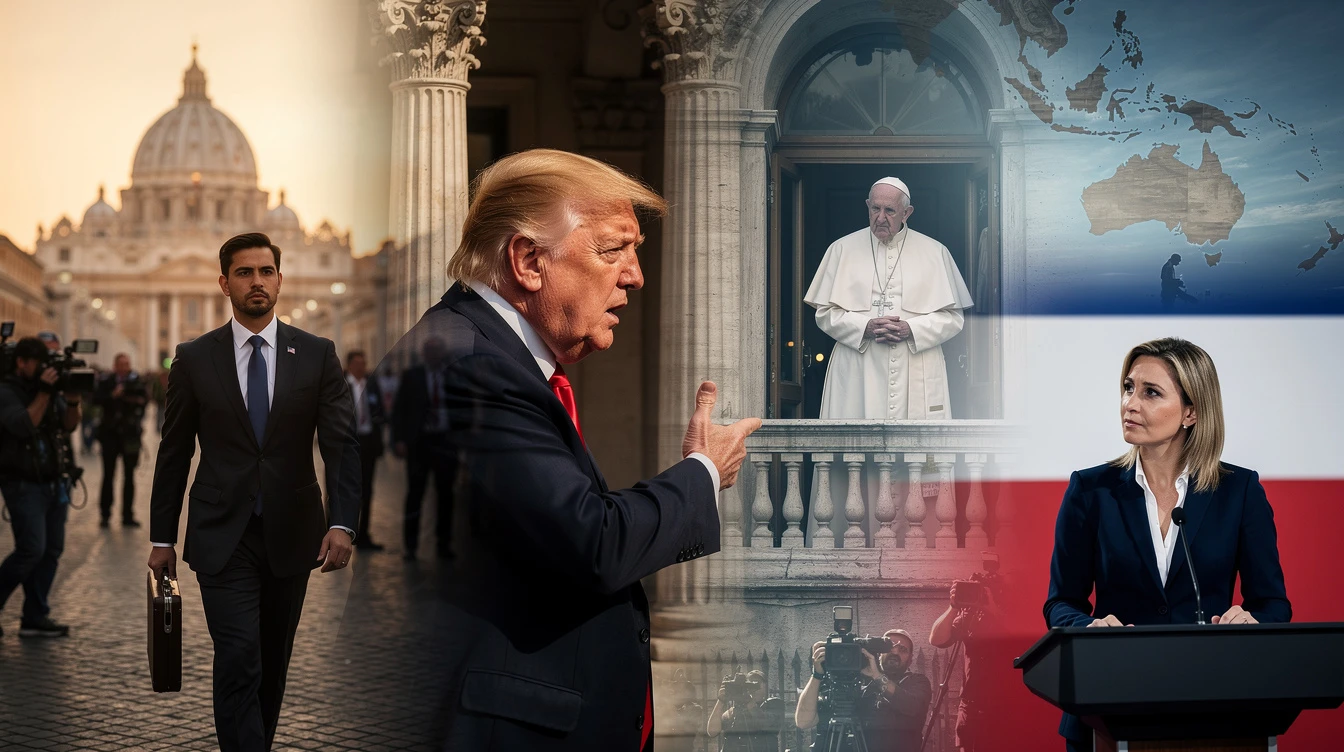
U.S. Secretary of State Marco Rubio is set to travel to Rome and the Vatican on May 7-8 for a high-stakes diplomatic mission, according to multiple media reports. The visit comes barely two weeks after President Donald Trump publicly clashed with Pope Leo XIV and Italian Prime Minister Giorgia Meloni, sparking one of the most serious transatlantic rifts since Trump took office.
Rubio aims to stabilize relations frayed by disputes over NATO, Iran, and U.S. troop deployments in Europe.
Rubio's Whirlwind Diplomatic Agenda
Rubio is expected to meet Cardinal Pietro Parolin, the Vatican's Secretary of State, and hold talks with Italian Foreign Minister Antonio Tajani and Defense Minister Guido Crosetto. Italian media characterized the trip as an effort to "thaw relations" after Trump's April attacks on both the pope and the Italian leader.
A meeting with Pope Leo himself remains uncertain, though Rubio met the pontiff in Vatican City last May.
The Fox News report, citing a source familiar with the planning, stated that Rubio is traveling to "contain tensions that have escalated in recent weeks across political, military and ideological fronts."
The visit underscores the critical diplomatic role Rubio plays as Trump's envoy who can bridge gaps in a way Trump has lauded.
The Spat That Sparked the Crisis
The diplomatic firestorm ignited in mid-April when Trump publicly assailed Pope Leo for criticizing the U.S.-Israeli military campaign in Iran. The pope had called for dialogue and de-escalation, prompting Trump's sharp rebuttal.
Days later, Trump berated Meloni during a White House meeting, calling Italy "very tough" on the United States and suggesting NATO spending commitments had not been met.
Italian Foreign Minister Tajani told reporters: "We are allies, and between allies there can be discussion. We are not in a crisis."
Broader Implications for Western Alliances
The tensions come at a delicate moment for transatlantic relations. NATO allies have been under pressure from the Trump administration to increase defense spending, while disagreements over Iran policy have widened gaps between Washington and European partners.
The Vatican has maintained a careful balance, seeking to preserve its neutrality while continuing to advocate for humanitarian concerns in conflict zones.
U.S.-Italy Military Ties
Italy hosts significant U.S. military infrastructure, including air bases critical to American operations in the Middle East and Africa. Any deterioration in diplomatic relations could affect these strategic arrangements, though analysts say complete rupture remains unlikely.
The defense relationship has been built over decades and remains structurally strong despite political tensions.
What Happens Next
Rubio's meetings will be watched closely for any signs of warming relations. The State Department has not confirmed whether a press conference is planned following the talks.
European partners are hoping the diplomatic engagement will prevent further escalation, though observers say the underlying disagreements over defense spending and Iran policy are unlikely to be resolved in a single visit.