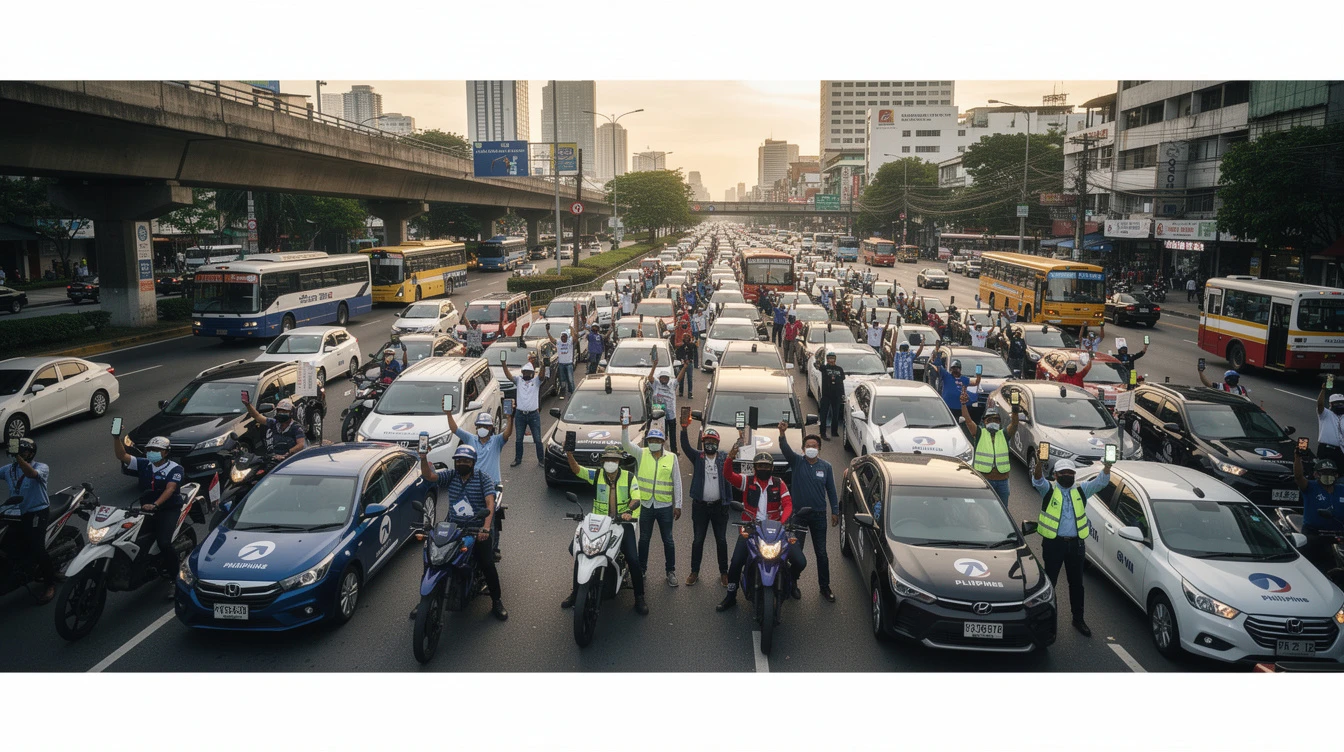
Thousands of motorcycle and car ride-hailing drivers across the Philippines will stop accepting bookings starting today, joining other public utility vehicle operators in a two-day transport strike. The coordinated action represents one of the largest disruptions to ride-hailing services in recent memory.
Massive Strike Action Affects Ride-Hailing Services Nationwide
Drivers Refuse Bookings for Two Days
Motorcycle ride-hailing drivers will halt operations entirely for the two-day duration, while car ride-hailing drivers will join the work stoppage beginning at dawn. Major urban centers including Metro Manila expect severe transportation disruptions during the strike period.
Coordination With Other Transport Groups
The ride-hailing drivers' decision to participate marks a significant escalation in the ongoing labor dispute within the transport sector. By aligning with traditional public utility vehicle operators, the strike now encompasses a broader spectrum of transportation services that millions of Filipinos depend on daily.
Commuters who rely on apps like Angkas, JoyRide, and Move It will find themselves without these options during the strike period. Strike coordination includes jeepney, bus, and tricycle operators presenting unified demands spanning multiple transport sectors.
Former Senator Sonny Trillanes Voices Support
Lawmaker Backs Drivers' Cause
Former Senator Sonny Trillanes has publicly expressed solidarity with the striking ride-hailing drivers, calling on government authorities to address the legitimate grievances of transport workers. Trillanes urged the Department of Transportation to engage in meaningful dialogue with strike organizers.
Demands Focus on Fair Compensation and Regulations
At the heart of the strike are longstanding issues regarding driver compensation, platform commission rates, and regulatory frameworks affecting ride-hailing workers. Drivers have complained about increasing operational costs and declining earnings per trip.
The strike organizers have presented a list of demands to government mediators, seeking concrete commitments before returning to work. An advocacy group warns of prolonged disputes without resolution, with supporters gathering at designated assembly points across Metro Manila.
Impact on Commuters and Transportation Networks
Alternative Transportation Options Limited
The strike comes at a particularly challenging time for commuters already grappling with ongoing infrastructure projects and limited public transport options. With both traditional jeepneys and ride-hailing services affected simultaneously, passengers may face extended wait times.
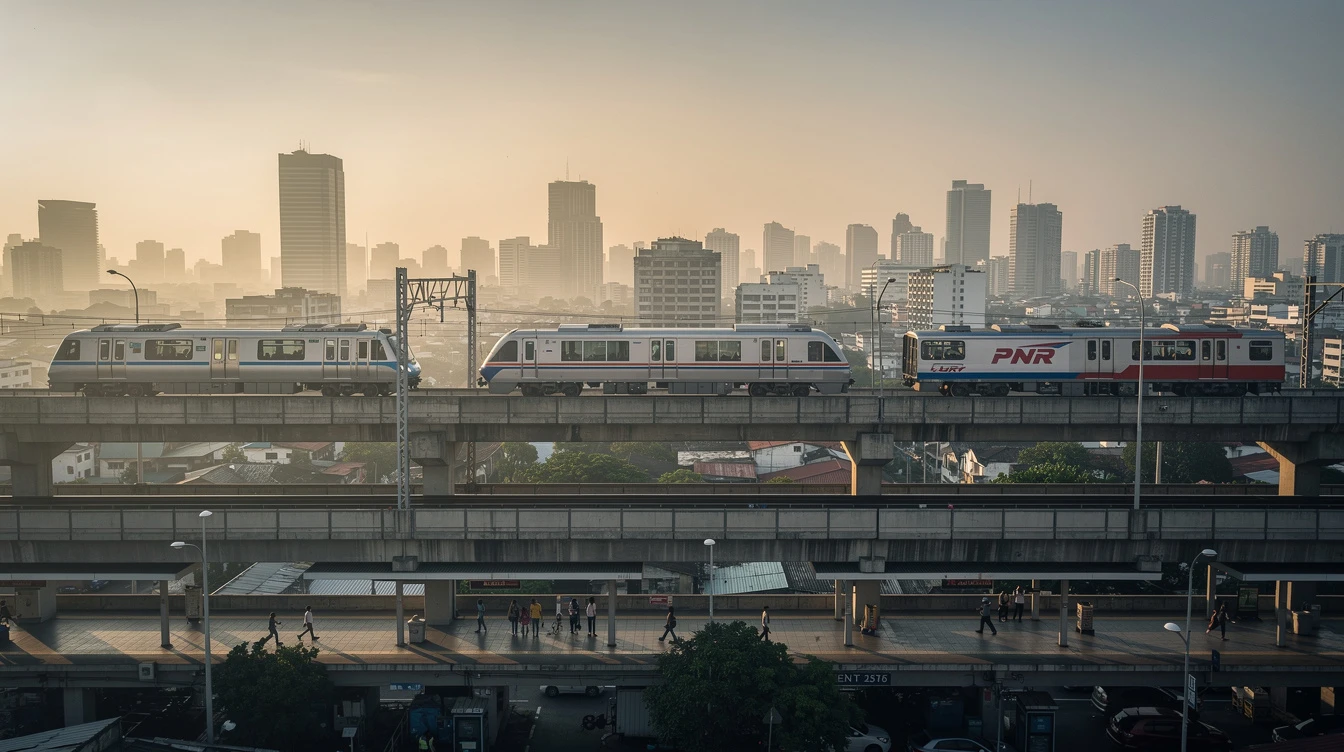
MRT and LRT lines are expected to see increased passenger volume during peak hours. Commuters are advised to plan trips in advance and consider alternative arrangements during the two-day action.
Government Response and Mediation Efforts
Transportation officials have indicated their willingness to meet with strike organizers, though no formal negotiations have been scheduled as of this writing. Labor leaders warn that further action may follow if demands remain unaddressed after the strike concludes.