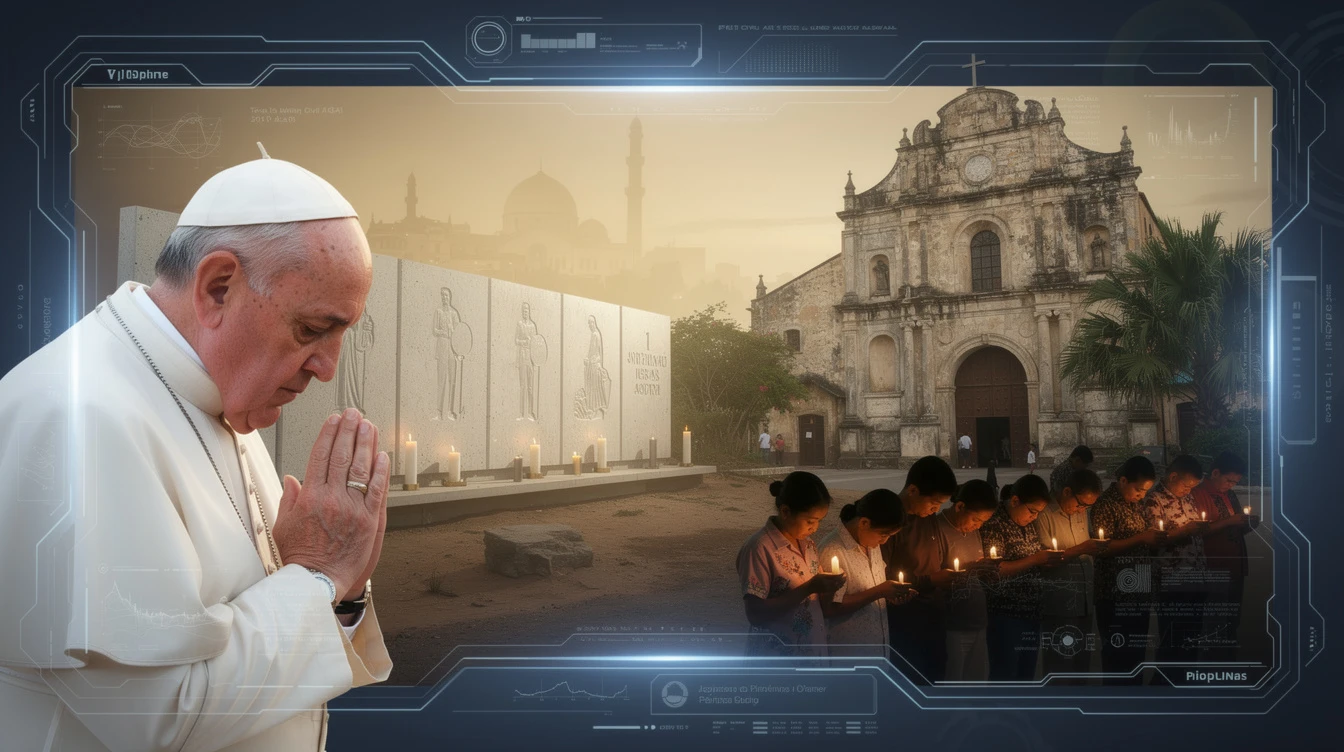
Pope Francis honored 19 priests, monks, and nuns 'martyred' during Algeria's brutal civil war from 1992 to 2002, confirming their beatification in 2018. The pontiff paid tribute during a landmark visit, recognizing their sacrifice for choosing to remain with their communities.
The group includes Bishop Pierre Claverie of Oran and 18 others killed during the decade-long conflict. Their collective cause for sainthood opened in March 2007, titling them all as Servants of God.
Among those honored are two Spanish missionary nuns murdered in 1994. They were killed after deciding to stay in Algeria despite the extreme violence targeting religious figures during the war.
Pope Francis issued the formal decree of beatification for the group in February 2018. This act places them on the path to possible canonization as saints in the Catholic Church.
The recognition highlights the global Catholic Church's commitment to honoring modern martyrs. These individuals died for their faith during contemporary conflicts, not ancient persecutions.
For the Philippines, Asia's largest Catholic nation, this story mirrors local narratives of clerical sacrifice. Filipino priests and religious workers have faced persecution in conflict zones like Mindanao.
Several Filipino missionaries have been killed while serving in volatile regions abroad. Their stories parallel the Algerian martyrs' commitment to remain with their flocks despite danger.
The Philippine Church has its own modern martyrs, including priests killed during the Martial Law era. Their causes for beatification are also under consideration by Vatican authorities.
This international recognition reinforces the value the Church places on pastoral courage. It serves as an inspiration to the Filipino clergy serving in challenging environments nationwide.
For millions of Filipino Catholics, stories of martyrdom strengthen communal faith. They provide concrete examples of living out gospel values in dangerous circumstances.
The beatification also comes as Philippine Church leaders advocate for peace in local conflicts. They emphasize dialogue over violence in addressing insurgencies and social strife.
Filipino missionaries serving in Islamic nations may find particular resonance in this Algerian story. It acknowledges the risks of interfaith work in regions of religious tension.
The Vatican's focus on modern witnesses could influence local devotion in the Philippines. It may renew interest in contemporary Filipino figures who died for their faith.
This news matters to Filipino readers as it underscores a shared Catholic identity that transcends borders. The global Church's memory of sacrifice connects Filipino faithful to universal narratives of witness.
It also highlights the ongoing risks faced by religious workers in conflict zones worldwide. Many Filipino OFWs and missionaries live and work in similarly unstable regions.
Finally, it reinforces the Philippine Church's role in promoting peace and dialogue. The Algerian martyrs' example supports local clergy's efforts to be agents of reconciliation in a divided nation.