Philippines Braces as Annual Typhoon Season Brings Up to 20 Cyclones
Philippines Braces for Annual Typhoon Season as Country Faces World's Most Complex Weather Systems
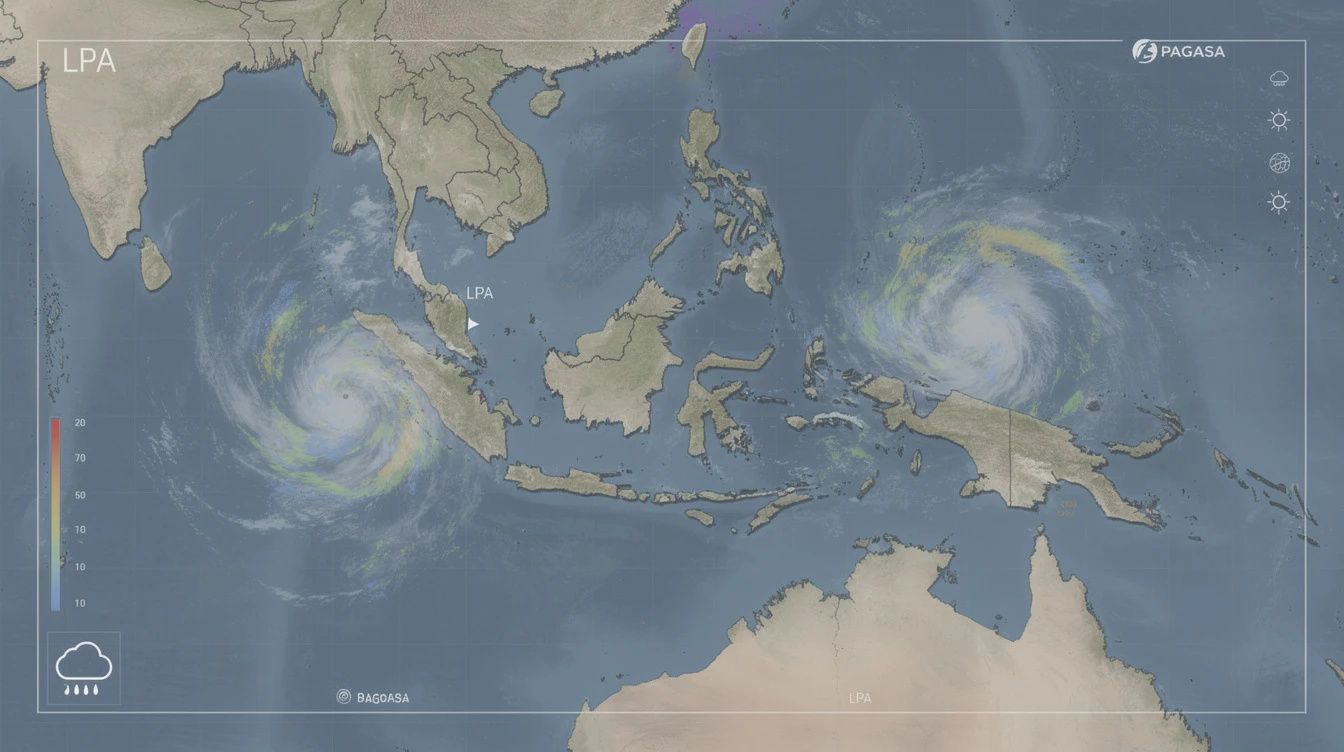
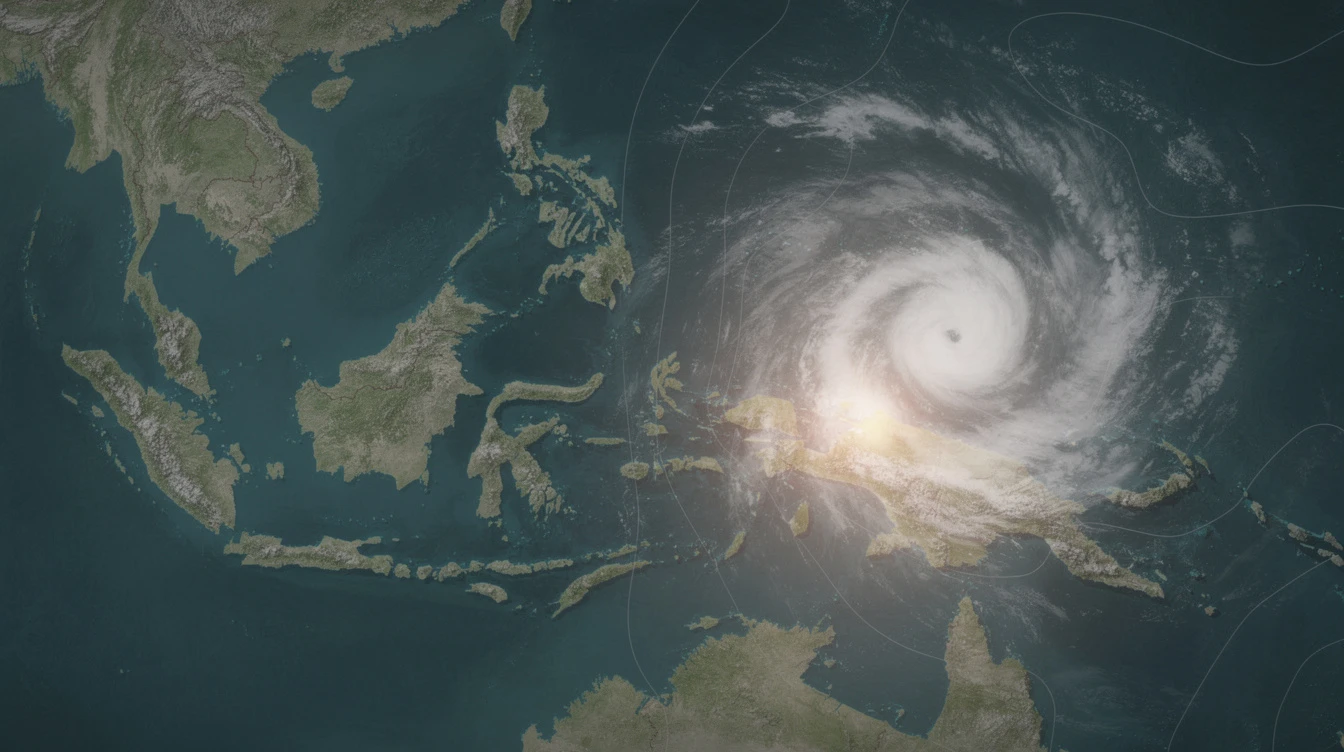
The Philippines, an archipelago of more than 7,641 islands positioned along the Pacific typhoon belt, faces an average of 20 tropical cyclones every year, with approximately 8 to 9 making direct landfall on its densely populated coastlines.
The nation's unique geographic location places it within the typhoon corridor of the Western North Pacific Basin. Bordered by the Pacific Ocean to the east and the South China Sea to the west, the Philippines experiences some of the most intense and complex weather systems on the planet. Mountain ranges running north to south create significant orographic effects that amplify both rainfall amounts and wind patterns during storm events.
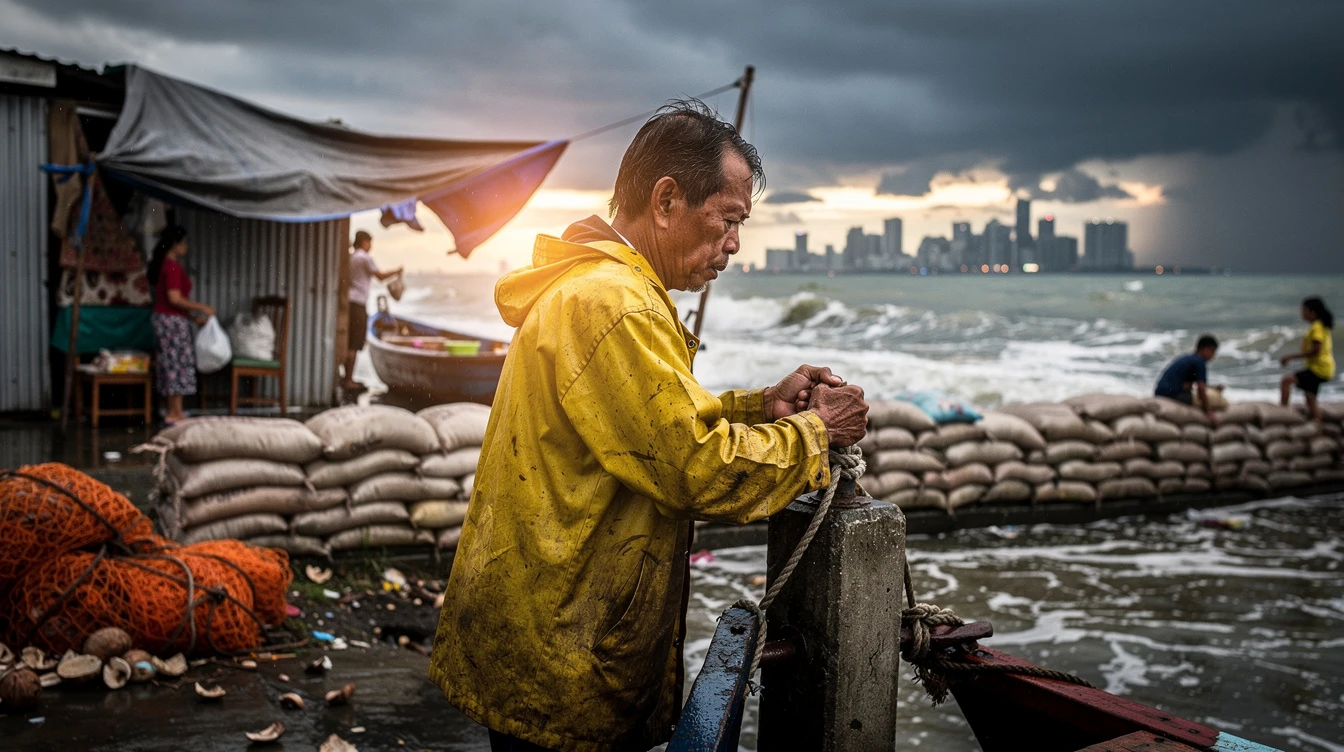
"Living along the typhoon belt means every family in the Philippines has a personal story of surviving a storm. Our geography makes us particularly vulnerable, but it also shapes who we are as a nation," a PAGASA spokesperson said in a public briefing.
The Philippine Atmospheric, Geophysical and Astronomical Services Administration monitors all tropical cyclones entering the Philippine Area of Responsibility. These storms typically affect the country from June through December, with peak activity occurring between August and October.
The country exhibits three main climate classifications. Type I features two distinct seasons with a dry period from November to April and a wet season from May to October. Type II has no dry season but shows a very pronounced maximum rainfall period. Type III presents seasons that are less pronounced with only a short dry period.
PAGASA classifies tropical cyclones using specific wind speed thresholds. A Tropical Depression registers winds of 45 to 61 kilometers per hour. A Tropical Storm reaches 62 to 88 kilometers per hour. A Severe Tropical Storm measures 89 to 117 kilometers per hour. A Typhoon brings winds of 118 to 184 kilometers per hour. A Super Typhoon exceeds 185 kilometers per hour.
"Climate change is making these systems less predictable. We see storms intensifying faster and following unusual tracks. Our monitoring network must evolve accordingly," a climate scientist from the University of the Philippines said during a forum on disaster preparedness.
Disaster management officials emphasize that communities must maintain vigilance throughout the season. Emergency response agencies conduct regular simulations and update evacuation protocols based on lessons learned from previous storm seasons.
The government has invested in improved early warning systems and expanded evacuation centers in vulnerable areas. Local government units are required to maintain disaster preparedness plans that account for storm surges, flooding, and landslides triggered by intense rainfall.
"Preparation saves lives. Every family should have an emergency kit, a communication plan, and knowledge of evacuation routes in their area," the National Disaster Risk Reduction and Management Council stated in its annual preparedness campaign.
Relief agencies likewise maintain stockpiles of food, water, and medicine in strategic locations across the archipelago. The private sector partners with government agencies to ensure swift response capabilities when major storms strike.
Experts warn that while the country cannot prevent tropical cyclones, better preparation and faster response can significantly reduce casualties and property damage. Communities that learned from past disasters have built resilience that serves as a model for other vulnerable regions.
Officials urge citizens to monitor PAGASA bulletins and heed warnings from local authorities. Coordinated efforts between government agencies, local communities, and international partners remain essential as the Philippines continues confronting the challenges of its unique climatic position.