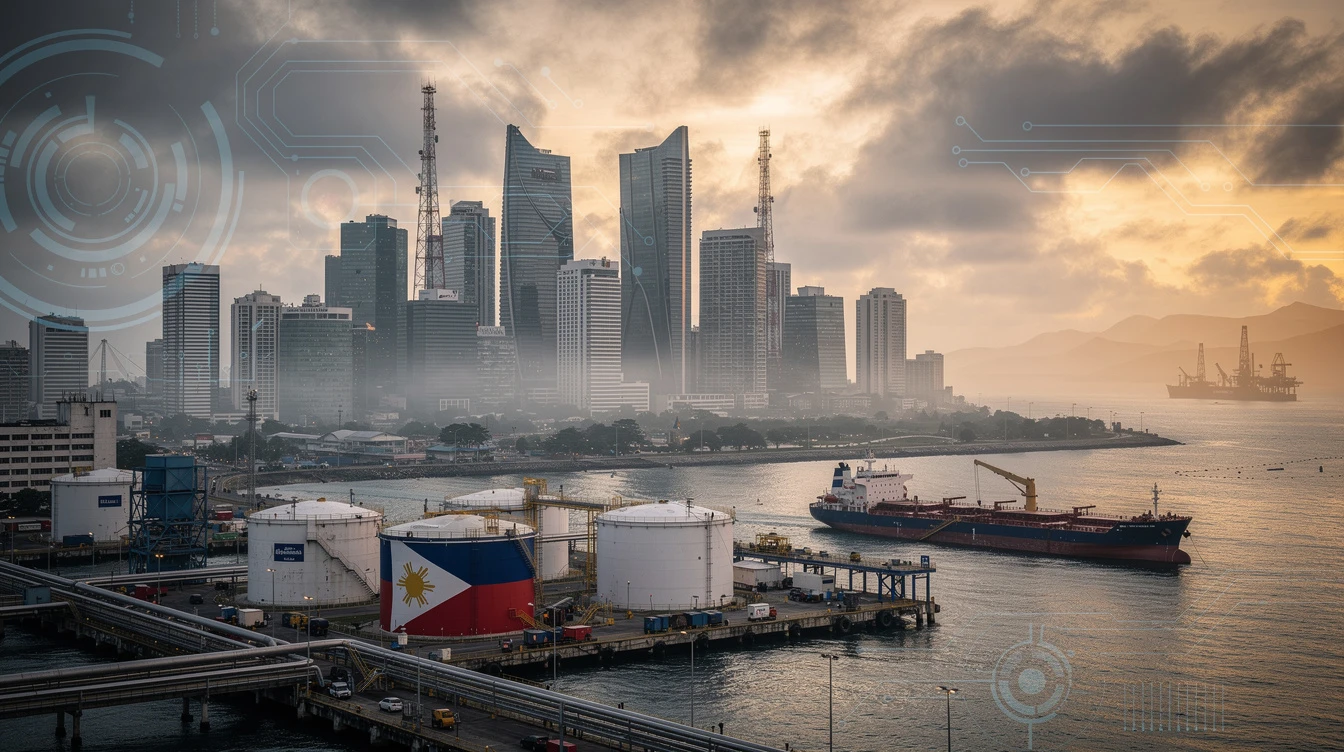
Government Authorizes Temporary Fuel Switch
Emergency Measure to Secure Energy Supply
The Department of Energy has approved the temporary and limited use of high-sulfur fuel oil for certain industries in the Philippines. This unconventional fuel option is significantly cheaper but produces higher emissions. The authorization comes amid ongoing Middle East conflict that creates uncertainty in global oil markets. Energy officials emphasize this is a temporary measure pending resolution of regional tensions.
The permit covers specific industrial sectors facing immediate fuel shortages. Power generation facilities may utilize the dirtier fuel during peak demand periods. Strict monitoring protocols will be implemented to track usage volumes. Companies must still comply with baseline emission standards where technically feasible.
Regional Tensions Disrupt Oil Supply Chains
Middle East Crisis Creates Market Instability
Geopolitical tensions in the Middle East have caused significant volatility in global oil prices. Shipping routes through critical chokepoints face increased risk assessments. Traditional fuel suppliers have reported delivery delays and allocation reductions. The Philippines imports approximately 90 percent of its petroleum requirements.
Domestic fuel reserves have been strained by prolonged regional instability. Local distributors report difficulty sourcing conventional low-sulfur alternatives. The energy department prioritized supply continuity over environmental considerations. Industry groups welcomed the flexibility provided by the temporary authorization.
Environmental and Health Concerns
Trade-offs Between Economy and Ecology
High-sulfur fuel oil contains significantly higher pollutant levels compared to standard fuels. Environmental advocates express concern over increased air quality deterioration. Health professionals warn of potential respiratory impacts for nearby communities. The government argues the short-term measure prevents greater economic disruption.
Facilities using HSFO must implement enhanced emission monitoring. Companies are encouraged to invest in scrubber technology where feasible. The authorization includes provisions for eventual transition back to cleaner fuels. Environmental regulators will conduct random inspections during the approval period.
Looking Ahead: Future Implications
Lessons from Energy Vulnerability
The episode highlights the Philippines' continued dependence on imported fossil fuels. Energy analysts call for accelerated investment in renewable energy infrastructure. Policymakers face renewed pressure to diversify the national energy portfolio. Domestic oil exploration initiatives may receive increased government attention.
The authorization remains in effect only until regional conditions stabilize. Regular reviews will assess whether the temporary measures remain necessary. Environmental groups are pushing for sunset clauses in future energy emergency policies. The department committed to transparent reporting on fuel usage during the crisis period.