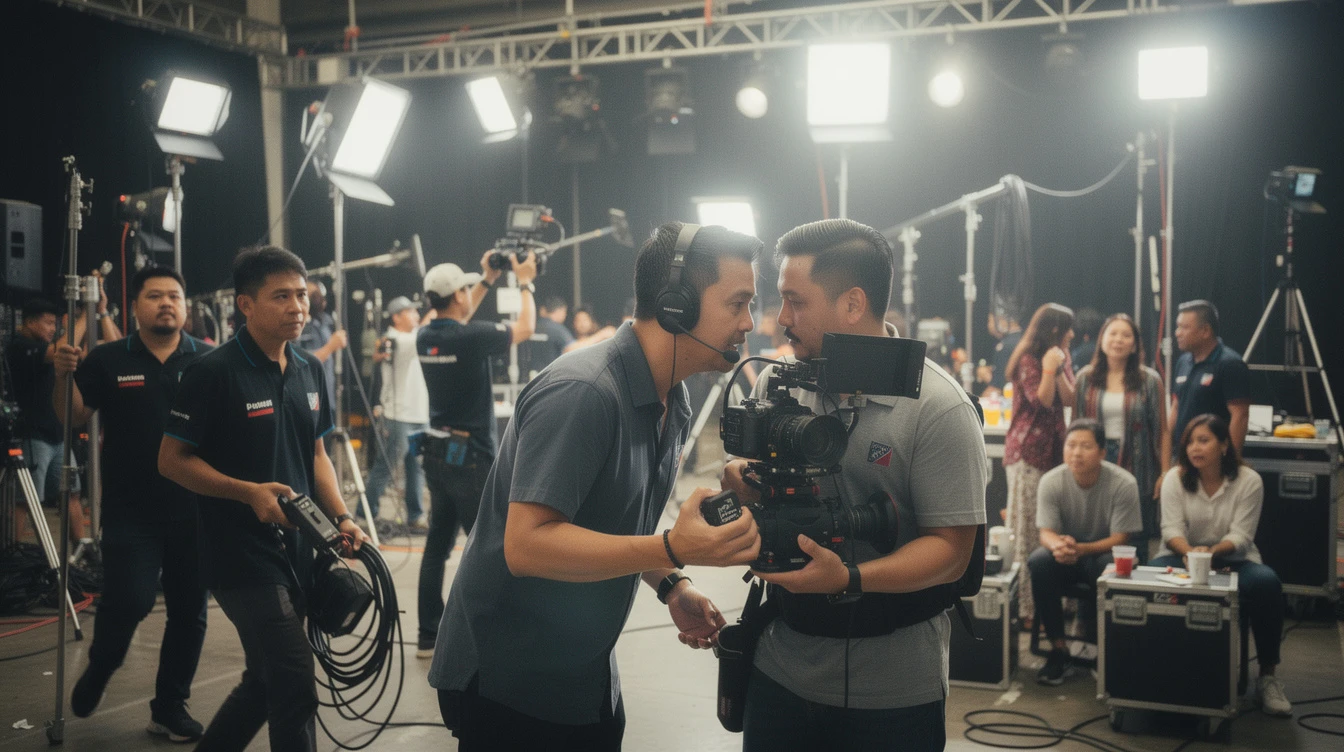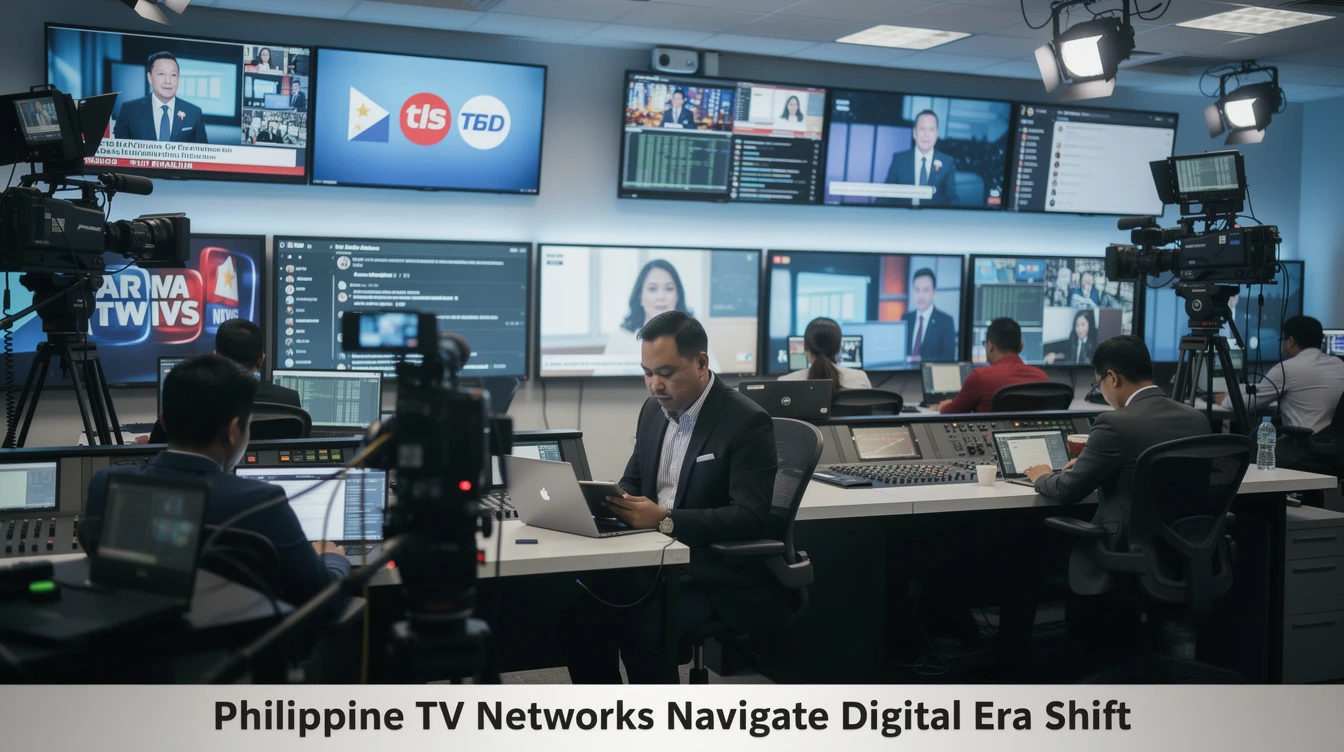
The Philippine entertainment industry, a cornerstone of the nation's cultural identity and a significant driver of economic activity, continues to evolve rapidly as traditional media confronts the rise of digital platforms and shifting consumer habits.
With hundreds of thousands of people employed across television, film, music, and live performances, the sector serves not only domestic audiences but also the millions of overseas Filipinos who maintain close ties to locally produced content. Southeast Asian markets have likewise embraced Philippine entertainment, establishing the industry as a notable exporter of soft power in the region.
Television remains the dominant force in Filipino entertainment consumption. Approximately 76 percent of Filipino households own at least one television set, according to industry data, underscoring the medium's continued relevance even as digital alternatives proliferate. Prime-time drama series, known locally as "teleserye," command substantial audiences and have become cultural phenomena, influencing public discourse and shaping social trends across the archipelago.
A Three-Network Landscape
The industry operates primarily through three major players: ABS-CBN Corporation, GMA Network Inc., and TV5 Network Inc., which collectively dominate viewership and advertising revenue. GMA Network and ABS-CBN historically held the largest market shares, with competition between the two driving programming innovations and talent development. Both networks have expanded aggressively into cable channels, digital platforms, and international distribution to serve the growing overseas Filipino market.
The rivalry between these networks has produced a dynamic programming environment. Variety shows, reality television programs, and local drama adaptations consistently achieve high ratings, measured primarily through data provided by Kantar Media and Nielsen. This competition has ensured that locally produced content competes effectively against imported programming, maintaining cultural relevance and linguistic accessibility for Filipino audiences.
The Silver Screen: Tradition Meets Transformation
Beyond television, the Philippine film industry contributes significantly to the entertainment ecosystem, producing approximately 100 to 150 feature films annually through major studios and independent producers. The sector experienced significant disruption during the COVID-19 pandemic, with cinema closures and production halts affecting output and revenue across the industry.
Despite these challenges, the industry has demonstrated resilience. The Metro Manila Film Festival remains one of the country's most prestigious cultural events, showcasing local productions and generating substantial box office returns. The festival has become a proving ground for both established filmmakers and emerging talents, offering a platform that celebrates distinctly Filipino storytelling.
The growth of independent cinema represents another notable development. Filipino filmmakers have gained increasing recognition at international festivals, bringing attention to the country's creative talent and diverse narratives. This expansion beyond commercial filmmaking has enriched the industry while opening new revenue streams and distribution channels.
The Digital Frontier
The entertainment landscape has shifted dramatically with the rise of streaming platforms and digital content creation. Younger demographics, in particular, have gravitated toward on-demand viewing and short-form content, forcing traditional broadcasters to adapt their strategies.
Major networks have responded by launching their own streaming services and digital platforms, seeking to retain audience share in an increasingly fragmented media environment. This digital transformation extends beyond distribution to encompass content creation itself, with social media platforms spawning a new generation of entertainers and content creators who operate independently of traditional gatekeepers.
The industry's ability to navigate this transition will likely determine its trajectory in the years ahead. Philippine entertainment must balance its traditional strengths—compelling storytelling, relatable characters, and cultural authenticity—with the demands of a digital-first audience that expects convenience, variety, and interactivity.
An Industry at a Crossroads
The Philippine entertainment industry stands at a pivotal moment. Its foundations remain strong: a robust television infrastructure, a productive film sector, and an overseas audience hungry for connection to their homeland. Yet the sector faces mounting pressure from technological change, shifting consumer preferences, and the lingering effects of recent disruptions.
What remains clear is the industry's significance to Filipino culture and identity. Whether through the nightly drama that sparks conversation across dinner tables or the blockbuster film that fills cinemas during the holiday season, Philippine entertainment continues to reflect and shape the nation's collective experience. How the industry adapts to emerging challenges will determine whether it maintains its position as a cultural pillar for generations to come.