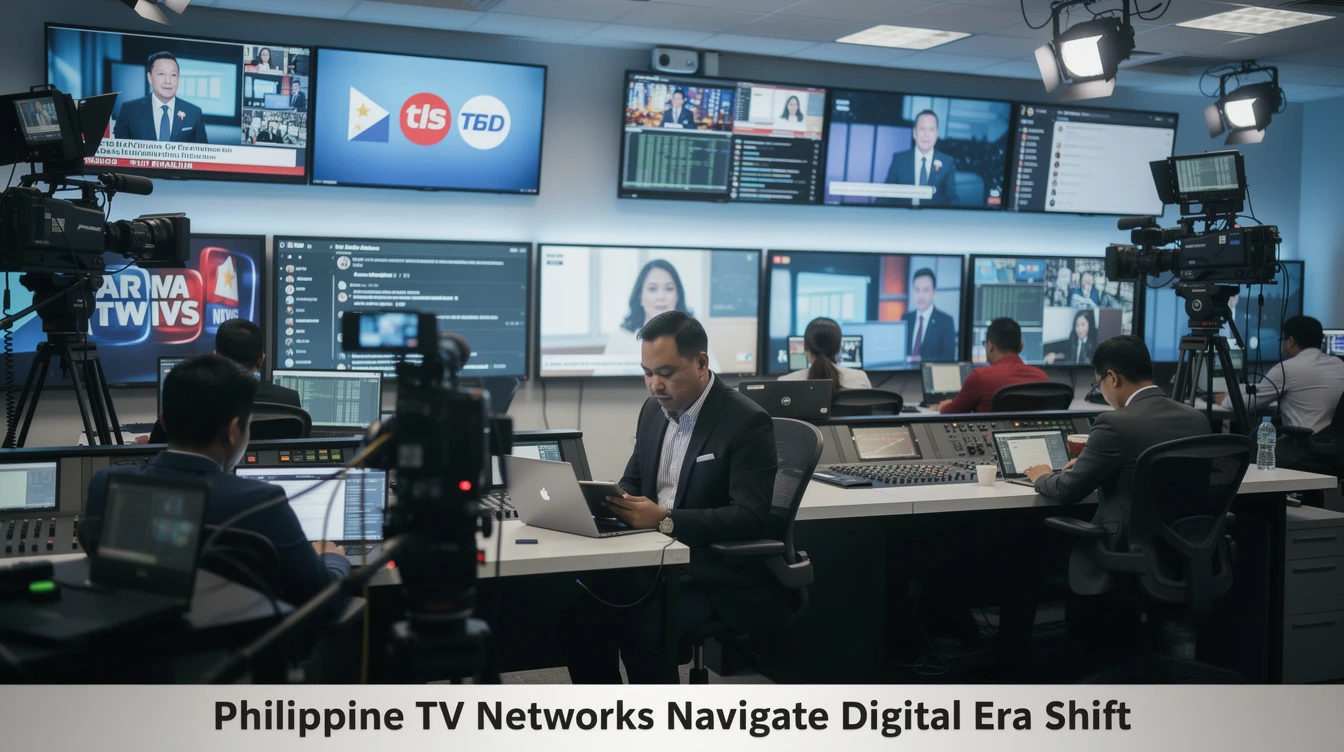
Philippine Entertainment Industry Grows into Southeast Asia's Billion-Peso Powerhouse
The Philippine entertainment industry stands as one of Southeast Asia's most dynamic cultural and economic forces, shaping the tastes, conversations, and identities of more than 110 million people across the archipelago and diaspora communities worldwide. From the dramatic rivalries on primetime television to the blockbuster spectacles filling cinema seats during the Christmas season, the sector weaves together film, broadcast media, music, and digital content into a cultural engine that generates billions in revenue while exerting considerable soft power across the region.
A Landscape Shaped by Legacy and Transformation
The Philippine entertainment sector encompasses a broad spectrum of activities: theatrical film production, television broadcasting across multiple platforms, music recording and streaming, digital content creation, celebrity endorsement deals, and live entertainment events ranging from concert tours to fan festivals. This multifaceted industry has demonstrated remarkable resilience, adapting to technological disruptions and regulatory changes that have reshaped media environments across the globe.
High internet penetration rates and strong social media engagement have positioned Filipino audiences as particularly receptive to entertainment content, creating fertile ground for both traditional broadcasters and emerging digital platforms. The combination of a young population demographic and widespread English-language proficiency has made the Philippines a strategic market for content producers, distributors, and advertisers seeking to connect with consumers throughout Southeast Asia and beyond.
The Television Battlefield: Networks Competing for Primetime Supremacy
The Philippine broadcast television landscape remains dominated by a handful of major networks, each vying for ratings supremacy through carefully programmed drama serials, talent searches, and variety shows that have become staples of daily household viewing habits.
GMA Network: Maintaining Competitive Edge
GMA Network Incorporated stands as one of the two dominant television broadcast companies in the Philippines, operating a portfolio of channels that includes the flagship GMA Channel 7, the entertainment-focused GTV, and various cable channels targeting specific audience segments. The network has sustained strong ratings through its longstanding drama anthology programming, including the popular Love o Radiance (formerly known as Afternoon Drama), talent search programs that have launched numerous careers, and news magazine shows that blend current affairs with celebrity coverage.
Recognizing the shifting consumption patterns of younger audiences, GMA has invested heavily in digital transformation. The network has expanded its GMA+ online streaming platform and developed content specifically formatted for digital audiences, creating short-form series and exclusive clips designed for social media distribution. This strategic pivot reflects a broader industry recognition that traditional broadcast reach alone no longer suffices in an increasingly fragmented media environment.
ABS-CBN: Rising from Regulatory Setback
Perhaps no storyline better illustrates the resilience of Philippine entertainment than the continued vitality of ABS-CBN Corporation following the non-renewal of its broadcast franchise in 2020. The landmark regulatory decision that forced the network off free television initially appeared catastrophic for the entertainment powerhouse known for producing countless drama hits and managing some of the country's most bankable stars.
However, ABS-CBN demonstrated remarkable adaptability. The network has maintained significant presence through its cable channel operations under the Kapamilya brand, preserved strong digital engagement through the iWantTFC streaming service, and continued producing content for international distribution through strategic partnerships. The entertainment division remains active in developing dramas, reality shows, and variety programming, proving that content creation capabilities can survive and thrive even when traditional broadcast infrastructure is removed.
TV5 and IBC-13: Strategic Positioning in a Crowded Market
TV5 Network has repositioned itself as a sports and entertainment hybrid under the management of the MVP Group, featuring entertainment shows and drama series while leveraging its sports content rights to attract specific audience demographics. The network's partnership with Cignal, the country's largest pay-television provider, ensures substantial reach for its programming lineup.
IBC-13, among the oldest broadcast networks in the country, has been working to revitalize its programming to compete more effectively with major players. The network has concentrated on drama series, variety shows, and game shows designed to appeal to mass audiences seeking affordable family entertainment. The government-owned Ptv 4 and various cable networks including CNN Philippines and regional stations contribute additional diversity to the viewing options available to Filipino audiences.
Mollywood: The Philippine Film Industry's Evolving Narrative
The Philippine film industry, affectionately nicknamed "Mollywood" in reference to its Hollywood-inspired ambitions, continues to evolve in response to changing audience preferences, production economics, and distribution models. The industry produces approximately 50 to 80 theatrical releases annually through major studios, with additional releases distributed through independent channels and digital platforms.
Average production budgets for mainstream films range from PHP 30 million to PHP 150 million, with blockbuster productions commanding resources for A-list talent, elaborate production design, and extensive marketing campaigns. The economics of theatrical distribution have grown increasingly challenging as audiences split their entertainment time between cinema going, streaming services, and social media content, forcing producers to deliver increasingly compelling theatrical experiences to justify the ticket price and trip to the multiplex.
The Major Players Shaping Philippine Cinema
Star Cinema, the production arm of ABS-CBN, has generated numerous blockbuster films throughout its history, though its output has necessarily shifted in response to the network's changed circumstances. The studio's track record of pairing popular television stars with theatrical projects has proven successful, creating a pipeline that converts primetime popularity into cinema attendance.
GMA Films produces content for theatrical release, competing directly with Star Cinema for the same audience demographics during peak release periods. The Metro Manila Film Festival (MMFF) remains a singular event in the industry calendar, with December releases consistently generating significant ticket sales as Filipino families make theater going a Christmas tradition. The festival's emphasis on locally produced content gives Filipino filmmakers a protected release window and celebrates the unique storytelling traditions that distinguish Philippine cinema.
Viva Films has emerged as a highly active production company, producing commercial films targeting family audiences and youth demographics. The company has expanded strategically into digital content and manages a roster of popular actors and actresses who appear across film, television, and music platforms. Tiggle and other independent producers contribute significantly to the industry's output, often exploring themes and styles that differ from the mainstream commercial formula.
The Digital Frontier: Streaming, Social Media, and New Content Models
The convergence of traditional entertainment production with digital distribution channels represents perhaps the most significant transformation reshaping the Philippine media landscape. Streaming platforms have created new windows for content distribution while simultaneously introducing international competition for local audiences. The success of iWantTFC, GMA+, and other local platforms demonstrates that Filipino audiences remain committed to locally produced content when it is delivered through convenient digital channels.
Social media has fundamentally altered the celebrity ecosystem, with actors, singers, and personalities cultivating direct relationships with fans through Instagram, TikTok, YouTube, and other platforms. This shift has democratized fame to some extent, allowing micro-influencers and content creators to build substantial audiences without traditional media gatekeepers, while also intensifying the pressure on established celebrities to maintain relevance across multiple platforms simultaneously.
Cultural Soft Power and International Reach
The Philippine entertainment industry's influence extends well beyond domestic borders. Filipino talents have achieved recognition throughout Southeast Asia, the Middle East, and in diaspora communities across North America, Europe, and Australia. Television dramas have found audiences in foreign markets, while Filipino singers and performers have competed successfully on international stages.
This soft power dimension carries significant implications for national branding and tourism promotion. The images and narratives presented through Philippine entertainment shape international perceptions of Filipino culture, values, and way of life. Government tourism initiatives have increasingly recognized this connection, exploring partnerships with entertainment productions that showcase Philippine locations, hospitality, and cultural assets to global audiences.
Economic Contributions and Industry Outlook
The entertainment sector contributes meaningfully to national economic activity, generating employment across production crews, talent management, distribution networks, and retail establishments that serve entertainment consumers. The industry supports a vast ecosystem of suppliers, service providers, and auxiliary businesses that depend on entertainment production activity.
Looking ahead, the Philippine entertainment industry faces both challenges and opportunities. Competition from international streaming services will intensify as global platforms invest in localized content for the Southeast Asian market. Regulatory frameworks governing digital content, intellectual property protection, and broadcast standards will continue to evolve. Meanwhile, the fundamental appetite for Filipino storytelling remains robust, suggesting that the industry possesses the resilience and creativity needed to navigate whatever transformations lie ahead.
The stories of love, sacrifice, family conflict, and triumph that have defined Philippine entertainment for generations will likely continue finding expression across evolving platforms and formats. What changes is not the essential human desire for narrative and spectacle, but the technologies and business models used to deliver that experience to audiences who increasingly expect entertainment on their own terms.