Philippine Entertainment Industry Generates Billions, Employs Hundreds of Thousands
The Philippine entertainment industry stands as one of Southeast Asia's most dynamic cultural forces, generating billions in economic activity while shaping the dreams and conversations of millions across the archipelago. From the bustling studios of Quezon City to the streaming platforms embraced by overseas Filipino workers, the sector continues to evolve at a remarkable pace—adapting to technological shifts while staying rooted in the storytelling traditions that have defined Filipino cinema and television for generations.
An Economic Powerhouse Fueled by Creative Talent
The creative sector contributes substantially to the national economy, employing hundreds of thousands of workers across production, distribution, and related services. This workforce spans film production houses, television broadcasting stations, music recording labels, digital content studios, and live entertainment venues—all working in concert to deliver content that resonates deeply with Filipino audiences both at home and abroad.
Three primary drivers continue to shape the industry's trajectory. First, audience demand for local content remains exceptionally strong, with domestic productions consistently outperforming international imports in ratings and box office performance. Second, digital transformation has fundamentally altered how content reaches viewers, with streaming platforms and social media creating new distribution channels and revenue streams. Third, continuous talent development ensures a steady flow of new artists and celebrities who capture public imagination and sustain industry vitality.
Filipino Cinema: Resilience and Global Recognition
The Philippine film industry has demonstrated remarkable resilience in recent years, bouncing back from pandemic-era disruptions to reclaim its position as a commercial force to be reckoned with. Production companies including Star Cinema, Viva Films, and a thriving ecosystem of independent filmmakers continue to release diverse content across genres—romantic comedies, family dramas, horror films, and action-packed features that cater to varied audience preferences.
Box office performance tells a compelling story. Local films have achieved strong opening weekends for major tentpole releases, while critically acclaimed productions have secured sustained theatrical runs that speak to growing audience confidence in returning to cinemas. This success comes despite stiff competition from international releases, demonstrating the enduring appeal of stories that reflect Filipino experiences, values, and aspirations.
Beyond commercial success, Philippine cinema continues to earn international recognition. Filipino directors and actors have received nominations and awards at major global film festivals, enhancing the industry's international reputation and opening doors for co-production arrangements with foreign partners. This global visibility serves not only as a source of national pride but also as a catalyst for investment and creative collaboration.
The Television Landscape: Competition and Adaptation
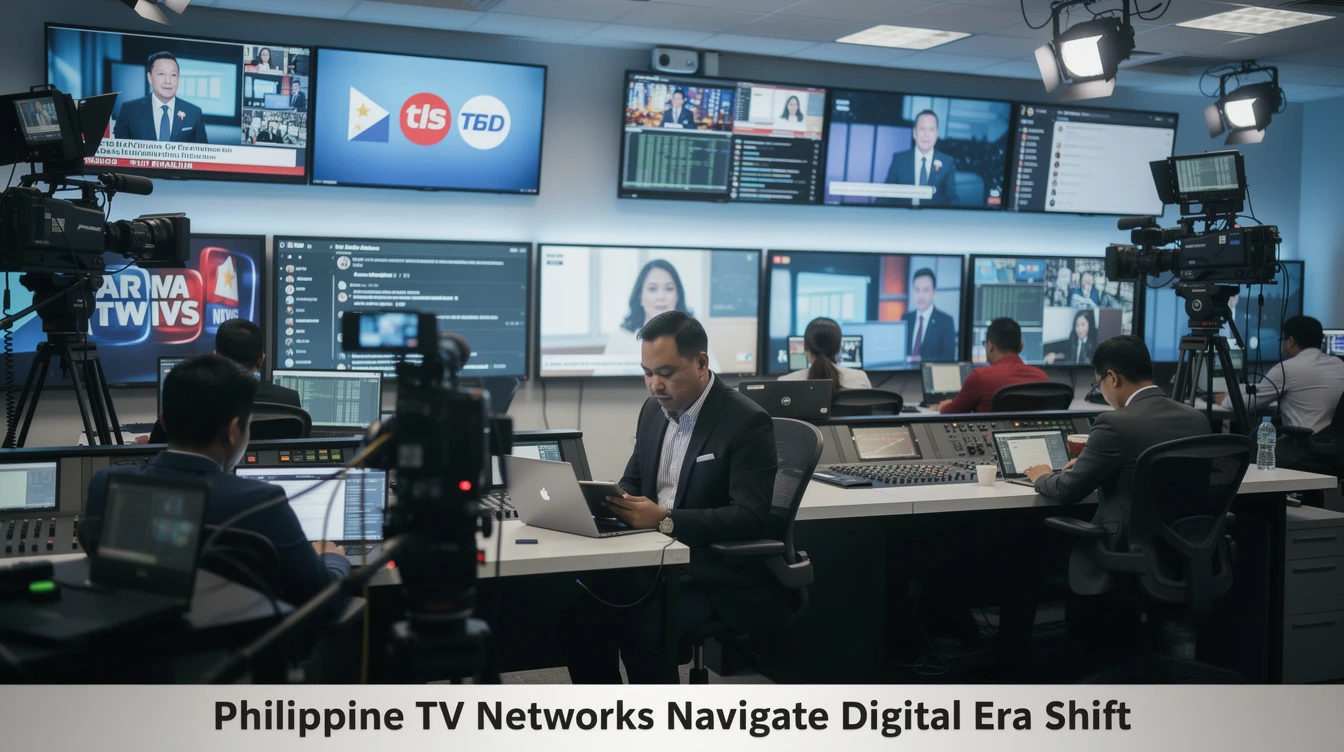
Philippine television remains a battleground for audience attention, with major broadcast networks competing fiercely across programming blocks. GMA Network maintains strong audience share through a strategic mix of drama series and variety shows that serve as flagship content. The network's ability to consistently deliver telenovela-style dramas and family-oriented programming has cemented its position as a household favorite.
ABS-CBN Corporation continues to serve audiences through various platforms following its legislative franchise non-renewal, demonstrating the adaptability and resilience that has defined the network throughout its history. TV5 and other emerging networks pursue differentiated programming strategies to carve out their own audience segments, contributing to a competitive landscape that benefits viewers through greater choice and variety.
Programming trends reveal shifting viewer preferences. Reality television continues to attract substantial audiences, particularly among younger demographics who engage actively through social media commentary and digital voting mechanisms. Current affairs and news programming maintain their relevance as audiences seek reliable information on national developments, while entertainment-oriented content provides escapism and shared cultural experiences that bind communities together.
Digital Transformation: Reshaping Content Creation and Distribution
The digital revolution has touched every corner of the Philippine entertainment industry. Streaming platforms have fundamentally altered content distribution, allowing Filipino content to reach audiences far beyond traditional broadcast territories. Overseas Filipino workers, separated from their homeland by geography, can now access local programming on demand—maintaining connections to culture and language that might otherwise fade over time.
Social media has emerged as both promotional vehicle and content platform. Artists build direct relationships with fans through Instagram, YouTube, and TikTok, bypassing traditional gatekeepers and cultivating audiences through authentic engagement. This shift has empowered independent creators while challenging established production houses to adapt their strategies.
Music streaming and digital sales have transformed how Filipino musicians reach audiences, with genres ranging from traditional OPM (Original Pilipino Music) to contemporary pop, rock, and hip-hop finding dedicated followings through digital channels. Live streaming concerts and virtual events have opened new revenue possibilities, particularly during periods when physical gatherings remained restricted.
Looking Ahead: Challenges and Opportunities
The Philippine entertainment industry faces familiar challenges: economic pressures that affect production budgets, infrastructure limitations that constrain technological adoption, and the perpetual need to balance creative ambition with commercial viability. Yet within these challenges lie tremendous opportunities.
The continued preference for local content among Filipino audiences provides a stable foundation for industry growth. Growing international recognition opens doors to co-production partnerships and export opportunities. Digital platforms democratize content creation, allowing fresh voices to emerge alongside established stars.
As the industry navigates this period of transformation, one truth remains constant: the Filipino appetite for compelling storytelling, memorable music, and shared entertainment experiences shows no signs of diminishing. From the red carpets of Manila premieres to the living rooms of provincial households, the entertainment sector continues to reflect, shape, and celebrate the Filipino experience in all its complexity and vibrancy.