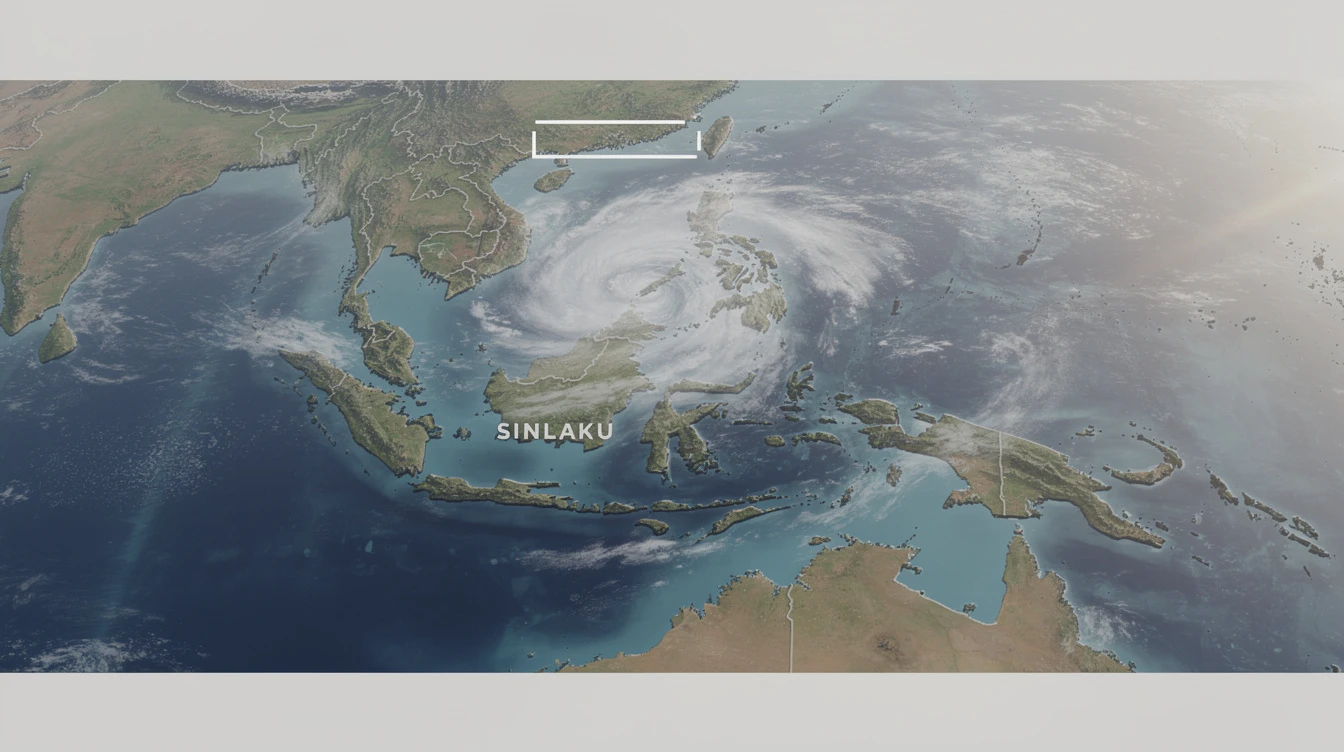
The Philippine Atmospheric, Geophysical and Astronomical Services Administration (PAGASA) forecasts partly cloudy to cloudy skies with isolated rain showers and thunderstorms across the country, including Metro Manila, over the next 24 hours. The southwest monsoon, locally known as habagat, continues to affect the western part of the nation, bringing the potential for sudden downpours.
According to PAGASA's latest bulletin, the habagat is expected to bring rains to western Luzon, including areas near the West Philippine Sea. The state weather bureau warned that these isolated rains could become severe, potentially triggering flash floods or landslides in vulnerable areas.
\"Metro Manila and the rest of the country will have partly cloudy to cloudy skies with isolated rain showers or thunderstorms,\" stated the official forecast. The primary weather system driving this pattern is the localized thunderstorms developing in the afternoon or evening, typical during the current season.
Residents in low-lying and mountainous regions are advised to remain vigilant. The National Disaster Risk Reduction and Management Council (NDRRMC) often issues reminders during such forecasts, urging the public to heed local warnings and prepare emergency kits.
Per PAGASA, the easterlies—winds coming from the Pacific—are also influencing weather patterns, contributing to the warm and humid conditions that fuel thunderstorm development. This combination of meteorological factors creates unpredictable weather across many islands.
The forecast has implications for daily commutes and outdoor work. Sudden thunderstorms can cause traffic disruptions in major urban centers like Metro Manila, Cebu, and Davao, where drainage systems are frequently overwhelmed by heavy rain.
Agricultural sectors are monitoring the situation closely. While rain is beneficial, isolated but intense thunderstorms can damage crops and affect harvest schedules. Farmers are advised to take necessary precautions to protect their produce.
Mariners and fisherfolk, particularly those operating in the western seaboard, have been cautioned about possible rough seas associated with the monsoon winds. The Philippine Coast Guard typically issues advisories for small vessels during habagat season.
This weather pattern is consistent with the transitional period towards the end of the rainy season. PAGASA continues to monitor for any developing low-pressure areas that could intensify rainfall in the coming days.
For Filipino readers, this forecast underscores the need for constant weather awareness in a tropical archipelago prone to hydrometeorological hazards. The isolated nature of the thunderstorms means conditions can change rapidly from sunny to stormy within a single locality, affecting millions of commuters, farmers, and residents. Staying informed through official PAGASA channels remains crucial for daily planning and safety.