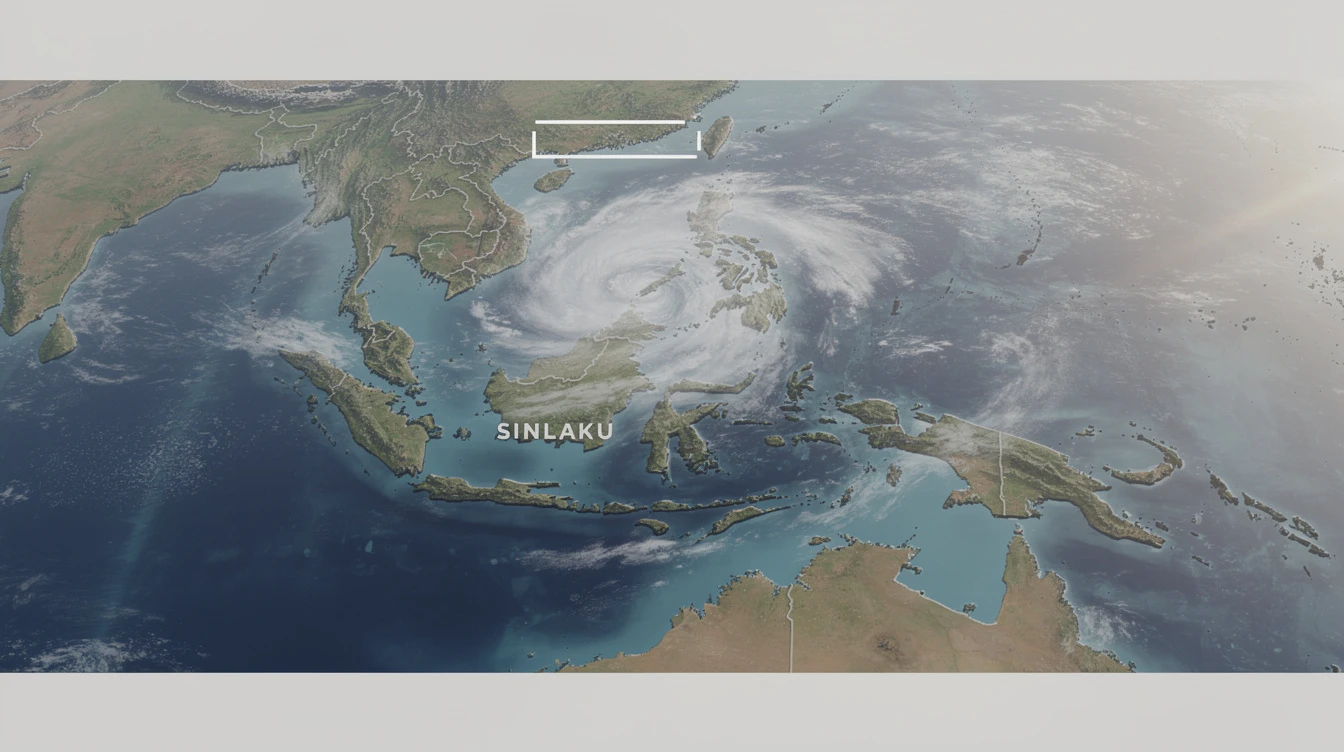
The Philippine Atmospheric, Geophysical and Astronomical Services Administration (PAGASA) reported Friday that the ridge of a High Pressure Area is extending over Northern and Central Luzon, bringing generally hot weather but with isolated rain showers from localized thunderstorms across the entire country.
Weather specialist Veronica Torres stated that Metro Manila and most regions will experience partly cloudy to cloudy skies with isolated rain showers or thunderstorms. These conditions are due to localized thunderstorms, which are small-scale, short-lived weather systems.
PAGASA emphasized that during severe thunderstorms, there is a possibility of flash floods or landslides occurring. The public, especially in flood-prone and mountainous areas, is advised to remain vigilant.
The wind forecast for Luzon is light to moderate, moving east to southeast, with coastal waters expected to be slight to moderate. Similar conditions are predicted for the rest of the archipelago.
For the eastern sections of Visayas and Mindanao, winds will be light to moderate from the northeast to north. Northern Luzon will see winds from the southeast to south direction.
PAGASA confirmed it has not monitored any weather disturbance forming inside or outside the Philippine Area of Responsibility in the coming days. This means no tropical cyclones are currently expected to develop.
Generally, most parts of the country will experience hot and humid weather throughout the day. Isolated downpours are more likely to occur late in the afternoon or into the evening.
The extension of the HPA ridge over Luzon typically suppresses widespread cloud formation and rain. This leads to hotter daytime temperatures in affected areas, including major population centers.
However, the heat can fuel the development of localized thunderstorms. These systems can bring sudden, heavy rains, lightning, thunder, and gusty winds over specific, small areas.
The public is reminded that despite the overall hot forecast, being caught in a localized thunderstorm can be dangerous. Sudden flooding in urban areas like Metro Manila is a significant risk.
This weather pattern is common during the transition periods between seasons. It underscores the need for Filipinos to monitor daily forecasts, as conditions can change rapidly within a single day.
For Filipino readers, this forecast is crucial for daily planning, from commuting and agriculture to disaster preparedness. The hot weather increases heat-related health risks, while isolated heavy rains threaten flash floods.
Millions of Filipinos working outdoors, in construction, agriculture, or transportation, must take precautions against heatstroke. Carrying water and seeking shade during peak hours is essential.
Families, especially in informal settlements near waterways or slopes, should be prepared for sudden heavy rainfall. Local government units are urged to pre-position resources for possible rapid response.
The absence of a looming tropical cyclone provides a respite for national disaster agencies. However, localized threats require community-level awareness and preparedness to prevent loss of life and property.