PAGASA Warns of Strengthening Monsoon as Relief Work Continues

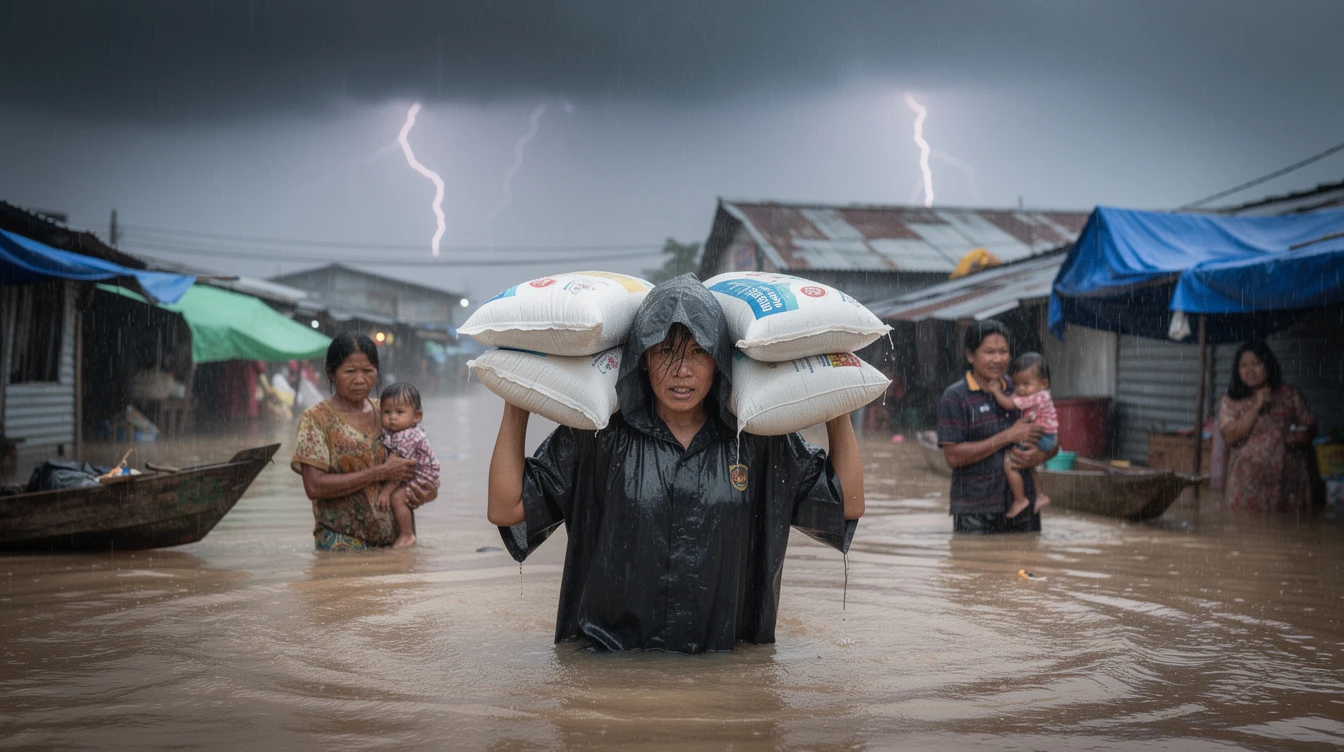
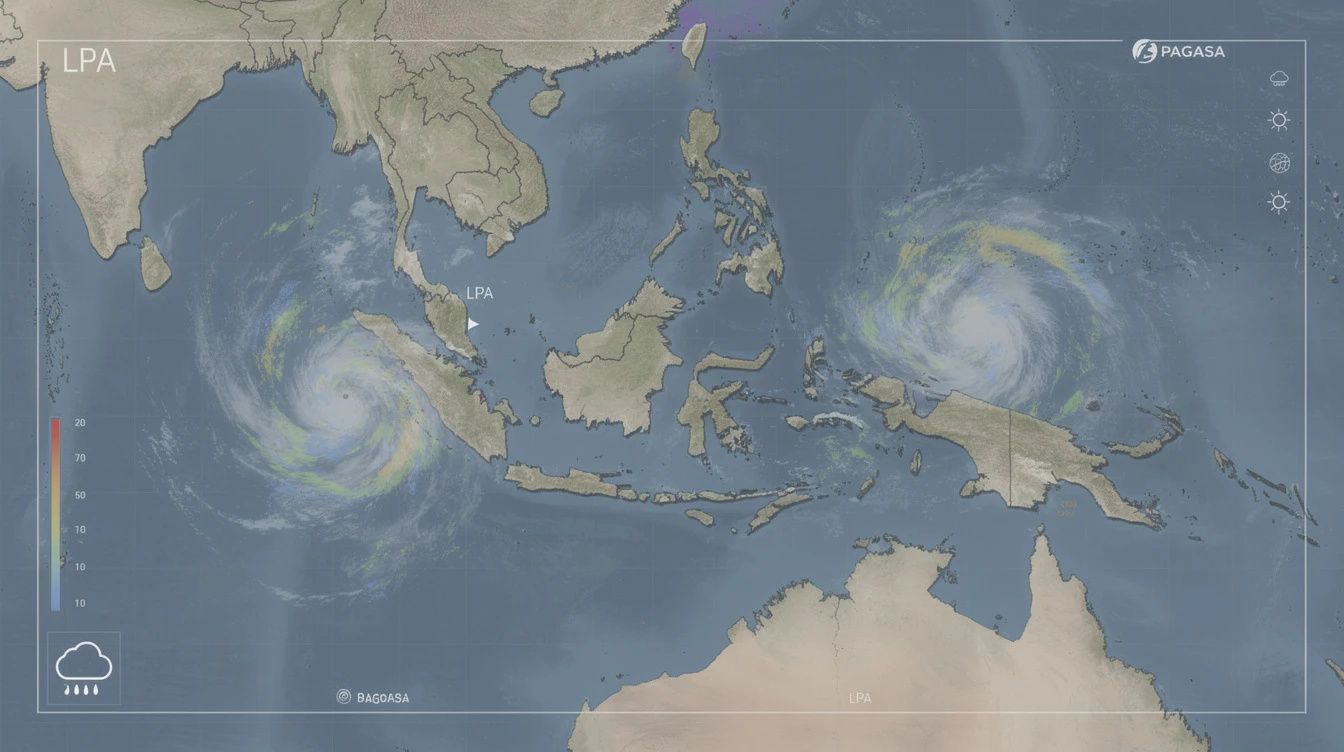
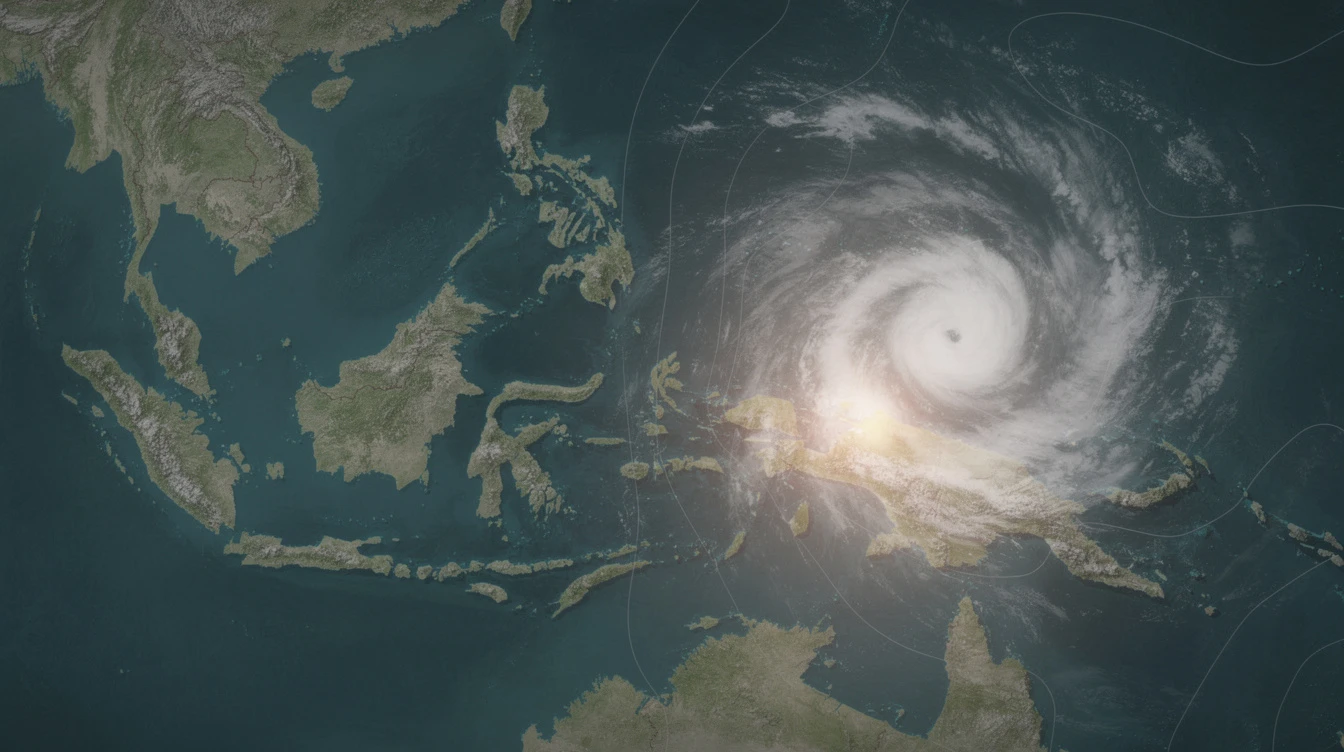
# PAGASA Warns of Strengthening Southwest Monsoon as Relief Workers Battle Ongoing Crisis The Philippine Atmospheric, Geophysical and Astronomical Services Administration on Sunday warned that the Southwest Monsoon is expected to strengthen this week, potentially bringing renewed heavy rainfall to already flood-affected regions across Luzon and the Visayas. PAGASA weather specialist Ana Solis said the monsoon system is being enhanced by a low-pressure area detected approximately 800 kilometers east of Samar, which could develop into a tropical depression within 48 hours. "We are closely monitoring this disturbance," Solis told reporters at the agency’s headquarters in Quezon City. "Current models suggest moderate to heavy rainfall across central and southern Luzon starting Wednesday." The warning comes as government relief operations continue in areas still recovering from last week's intense rains, which displaced more than 45,000 families across five regions. The National Disaster Risk Reduction and Management Council reported that at least 12,000 individuals remain in evacuation centers in Pampanga, Bulacan, and Bataan provinces. The Department of Social Welfare and Development said it has pre-positioned relief supplies in 23 strategic locations nationwide, though officials acknowledged that supply lines to some isolated communities remain disrupted. "Our teams are working around the clock," DSWD Secretary Rex Cabacungan said. "We have adequate supplies, but accessibility remains our main challenge." Military and Coast Guard personnel have been deployed to assist in rescue operations, with at least 15 vessels and eight helicopters on standby. The Armed Forces of the Philippines confirmed that additional troops have been sent to areas along the Pampanga River, where floodwaters remain at critical levels. Meanwhile, local government units in Metro Manila have reported improvements in drainage capacity following emergency desilting operations conducted over the past week. The Metropolitan Manila Development Authority said major thoroughfares remain passable, though caution advisories remain in effect for low-lying areas in Malabon, Navotas, and Meycauayan. In contrast, farmers' groups have raised concerns about the impact of continuous rainfall on agricultural lands, particularly in the rice-producing provinces of Nueva Ecija and Tarlac. The Philippine Crop Insurance Corporation estimated initial crop damages at approximately 850 million pesos, though field assessments remain ongoing. The Department of Agriculture said it is coordinating with local governments to fast-track damage assessments and potential crop insurance claims. "We understand the urgency," Agriculture Undersecretary Domingo Pangilinan said. "Our regional offices have been directed to assist farmers in filing claims immediately." PAGASA reminded the public to monitor official weather updates and heed evacuation orders from local authorities. The next weather bulletin is scheduled for release at 5:00 p.m. Sunday. The Southwest Monsoon, locally known as "Habagat," typically affects the Philippines from June to September, bringing seasonal rains to the western sections of the country. Last year's habagat season caused at least 15 fatalities and an estimated 4.2 billion pesos in infrastructure and agricultural damage, according to the disaster agency. Relief officials said additional aid shipments from international partners, including the United Nations Office for the Coordination of Humanitarian Affairs, are expected to arrive in the coming days. The government's national disaster response team has pre-positioned rescue equipment and medical supplies in key staging areas, officials said. The state weather bureau continues to advise the public to prepare emergency bags and stay informed through official channels, emphasizing that conditions can change rapidly during the monsoon season. Officials said coordinated efforts between national agencies and local government units remain critical as the country braces for potential additional rainfall.