The easterlies are back, and so is the familiar mix of scorching heat and surprise rain showers across the Philippines. On April 29, 2026, PAGASA reported a hot and humid forecast for the entire country, driven by these warm winds from the Pacific. With Labor Day just around the corner on May 1, here are five key things you need to know to navigate the weather safely this holiday weekend.
Forecast Summary for April 29–May 1, 2026
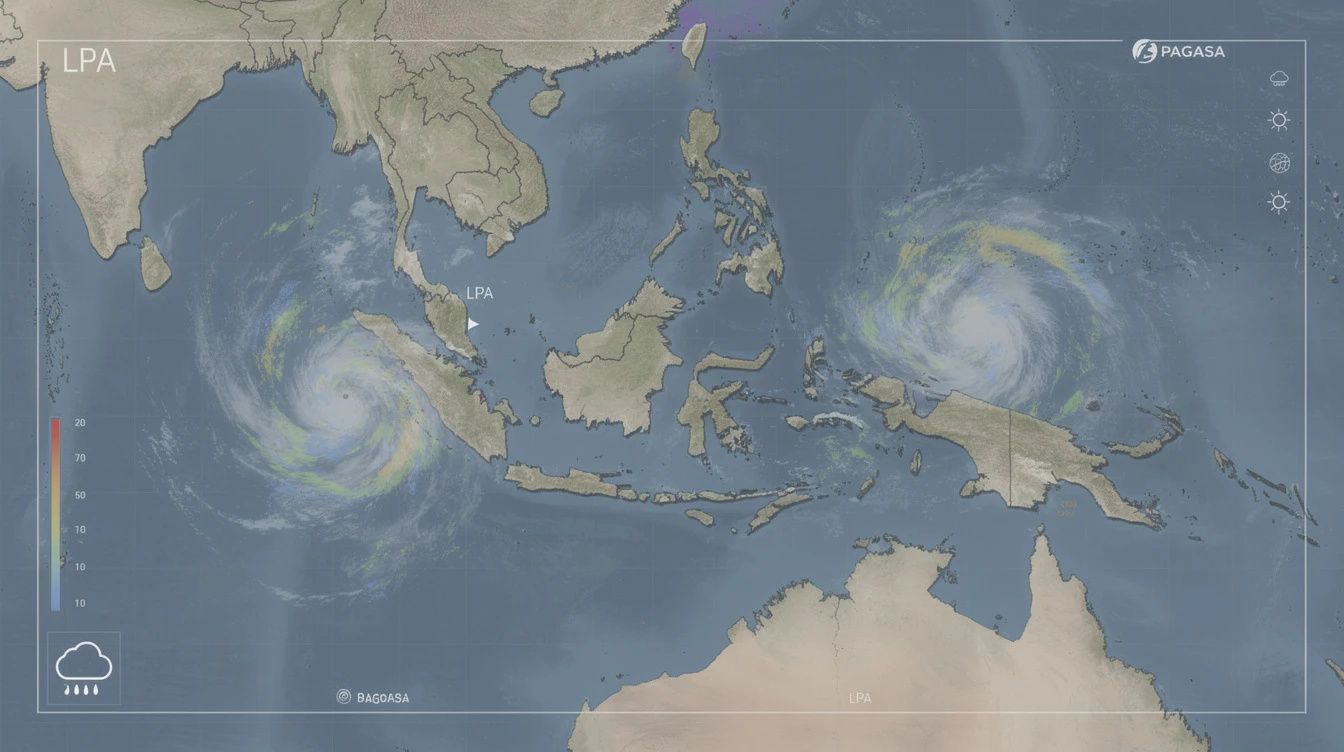
According to PAGASA’s early morning bulletin on April 29, the easterlies continue to dominate the country’s weather pattern. No low-pressure areas are being monitored as of 8:00 PM on April 29, meaning no major storms are expected in the immediate term.
The synopsis states simply:Easterlies affecting the country. This warm wind system, which originates from the east and passes over the Pacific Ocean, brings high humidity and daytime temperatures that often exceed 35°C in many areas.
In Manila, at 6:00 AM on April 30, the temperature was already 27.2°C with a feels-like temperature of 29.3°C. The humidity sat at 62%, and the wind came from the east-northeast at 7.6 kph. Sunny skies dominated early morning, but PAGASA warns of possible isolated rain showers later in the day.
1. What Are Easterlies and Why Do They Matter
Easterlies are warm winds that blow from the eastern Pacific toward the Philippines. They typically bring hot, humid weather along with occasional afternoon or evening rain showers.
Unlike the amihan (northeast monsoon) which brings cooler air from Siberia, or the habagat (southwest monsoon) which carries heavy rain from the Indian Ocean, the easterlies are a more subtle weather system. They don’t produce typhoons, but they do make the air feel sticky and uncomfortable.
The name itself—easterlies—comes from the direction the wind originates: the east. In the Philippines, these winds are common during the transition period between the cool amihan season and the rainy habagat season.
2. Labor Day 2026 Special Outlook
PAGASA released a Special Weather Outlook on Labor Day 2026 on April 29. The bulletin confirms that the easterlies will remain the dominant weather system on May 1, 2026.
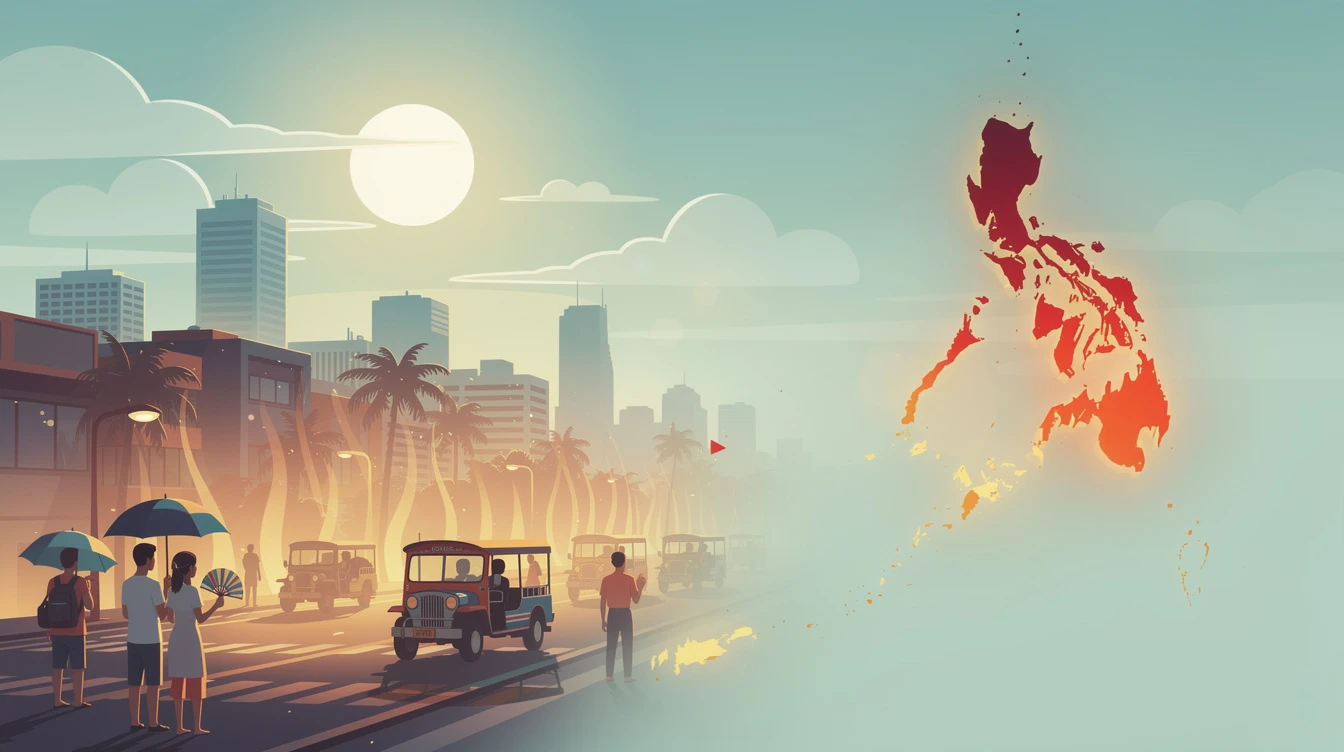
This means that Labor Day celebrations—whether planned at home, in parks, or in malls—will likely experience hot mornings followed by possible rain in the afternoon. Temperature highs could reach 35°C in Metro Manila and even higher in Luzon lowlands.
No low-pressure areas are forecast to enter the Philippine Area of Responsibility during this period, providing some assurance for outdoor event organizers. However, the heat index—the actual feel of temperature when humidity is factored in—may soar beyond 40°C in some areas, posing a risk for heat-related illnesses.
Heat Index Forecast for Key Cities
| City | Temperature | Heat Index |
|---|---|---|
| Manila | 33-35°C | 38-40°C |
| Quezon City | 32-34°C | 37-39°C |
| Davao City | 31-33°C | 36-38°C |
| Cebu City | 32-34°C | 37-39°C |
3. How Hot Will Manila Get on April 30
As of the 6:00 AM observation on April 30, 2026, Manila recorded a temperature of 27.2°C with a feels-like temperature of 29.3°C. The heat index was already at 28.0°C early in the morning.
By midday, that number is expected to climb substantially. With 62% humidity and an east-northeast wind at just 7.6 kph, there is almost no cooling breeze to offer relief. The UV index was measured at 0.0 at 6:00 AM due to low sun angle, but it will peak between 10 AM and 2 PM, reaching extreme levels.
Precipitation is zero in the morning, but PAGASA warns that isolated rain showers may develop in the afternoon as the heat builds up and triggers convection. This pattern is typical of easterlies—mornings start clear and hot, then clouds build up and release brief but heavy downpours later.
4. Safety Tips for Hot and Humid Weather
With heat indices expected to reach dangerous levels, PAGASA urges the public to take precautions.Heat stroke is a real risk, especially for those who will be outdoors for extended periods during Labor Day parades or family gatherings.
Stay hydrated by drinking water regularly, even if you don’t feel thirsty. Avoid alcoholic and caffeinated drinks as they can dehydrate you faster. Wear light-colored, loose-fitting clothes, and use an umbrella or hat when stepping out.
Schedule outdoor activities early in the morning or late in the afternoon to avoid peak heat hours between 10 AM and 3 PM. Keep an eye on children, elderly family members, and pets—they are more vulnerable to heat-related illnesses.
The Department of Health also advises applying sunscreen with SPF 30 or higher if you must be under the sun for prolonged periods. Reapply every two hours, especially if you sweat heavily.
5. What to Expect for the Coming Days
Looking ahead, the easterlies are expected to persist through the first week of May. PAGASA’s 4:00 AM synopsis on April 29 confirms that no tropical cyclones are forming in the near future, but localized thunderstorms remain a daily possibility.
For those returning to work on Monday, May 4, the weather pattern will likely remain the same: hot mornings, sticky afternoons, and evening lightning shows. Flash floods may occur in low-lying areas if the afternoon downpours are intense.
Keep your umbrellas handy and your fans running. The easterlies may not be as dramatic as a typhoon, but their persistent heat and humidity can be just as draining.
Frequently Asked Questions
What exactly are easterlies?
Easterlies are warm winds that blow from the east toward the Philippines. They originate over the Pacific Ocean and bring hot, humid weather with isolated afternoon rain showers.
there any typhoon coming on Labor Day 2026?
No. PAGASA’s special outlook confirms that no low-pressure areas are being monitored, and no tropical cyclone is expected to enter the Philippine Area of Responsibility through May 1.
What is the difference between temperature and heat index?
Temperature is the actual measure of heat in the air. The heat index is what the temperature feels like when humidity is factored in. High humidity makes our bodies less efficient at cooling through sweat, making us feel hotter than the actual temperature.
How can I stay safe during easterly weather?
Drink plenty of water, avoid direct sun exposure between 10 AM and 3 PM, wear light clothing, use sunscreen, and take breaks in shaded or air-conditioned areas. Watch out for signs of heat exhaustion, such as dizziness, headache, and nausea.
For more weather updates and safety tips, visit the PinoyPulse Weather Category and learn more about how we forecast conditions.