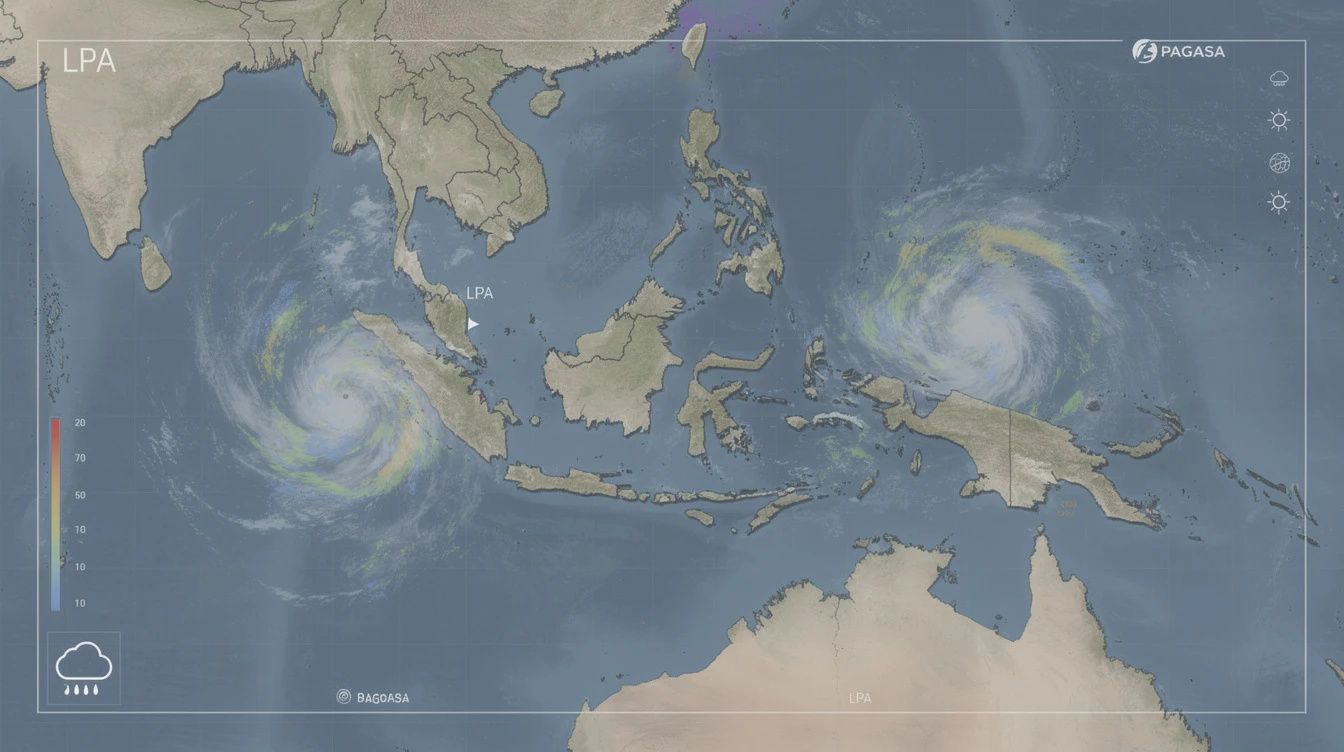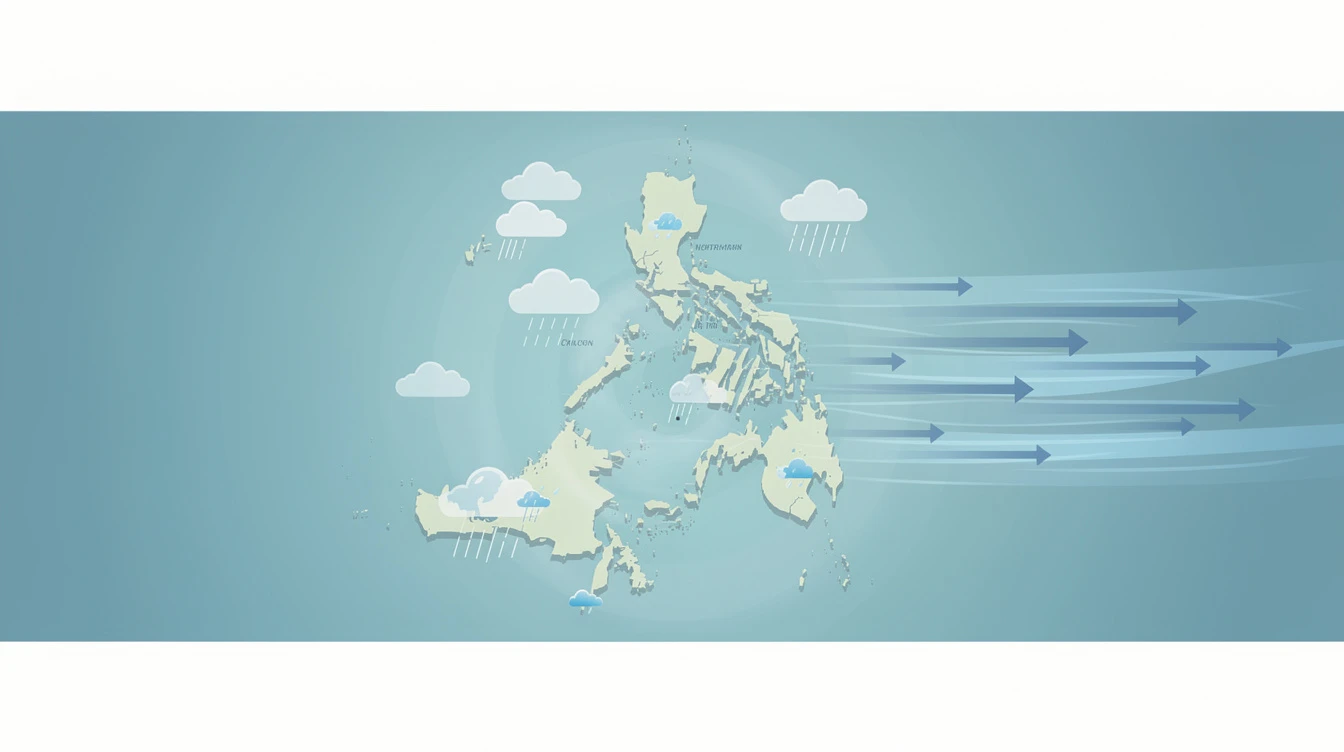
The Philippines' weather story this week revolves around the easterlies . These winds, blowing from the east, are bringing significant weather changes to a large portion of the country. The state weather bureau, PAGASA , has issued an advisory for several regions.
Residents in Southern Luzon , the Visayas , and Mindanao should expect cloudy skies with isolated rain showers or thunderstorms. This weather pattern is set to persist, according to the latest forecasts.
Easterlies
Understanding these updates is crucial for daily planning, especially for communities prone to flash floods. This article provides a clear breakdown of the forecast, its causes, and safety advice.
The easterlies are warm, moist winds that come from the east. They originate over the vast Pacific Ocean. As they move across the Philippines, they carry significant moisture.
When these winds interact with the country's topography, they can trigger cloud formation and rain. This is a common weather system during the early part of the year in the Philippines.
Trigger
PAGASA explains that these easterlies are currently the dominant weather system. They are affecting not just the eastern sections but also central and southern parts of the archipelago.
According to PAGASA's latest advisory, the forecast is consistent. The easterlies will continue to influence the weather pattern. Here is a region-by-region breakdown.
These areas will experience cloudy skies with isolated rain showers or thunderstorms. The weather will be generally warm and humid, with the chance of sudden downpours.
Certain areas like the Bicol Region and parts of Eastern Visayas may see more frequent rains due to their proximity to the Pacific. Residents should monitor updates.
Mindanao will also be under the influence of the easterlies . Expect partly cloudy to cloudy skies with isolated rain showers or thunderstorms, especially in the afternoon or evening.
This pattern is typical, but it can still cause disruption. Localized flooding is a possibility in low-lying areas, especially during a moderate to heavy thunderstorm.
Weather specialists at PAGASA have noted that while the easterlies are active, there is no major weather disturbance or typhoon expected in the next 24 to 48 hours. However, caution is still advised.
The bureau reminds the public that isolated rains can still lead to hazardous conditions. “Flash floods and landslides are possible in mountainous areas,” a PAGASA forecaster warned.
They emphasize that the danger is not from the easterlies alone but from the thunderstorms they generate. Lightning strikes are another risk during severe weather.
For many Filipinos, this weather advisory means adjusting daily routines. Commuters in Metro Manila and surrounding provinces may experience traffic jams due to sudden rains.
Fisherfolk in coastal areas are advised to be cautious. Sea conditions may become moderate, but sudden squalls are possible. Smaller vessels should avoid sailing during thunderstorms.
Farmers in Central Visayas and Northern Mindanao should welcome the rain as it helps with irrigation. However, they must watch for excessive water that could damage young crops.
PAGASA encourages everyone to stay informed. Download reliable weather apps or follow official social media channels for real-time updates.
During a thunderstorm, the safest place is inside a sturdy building. Avoid open fields, bodies of water, and tall isolated trees. These are lightning attractants.
If you are driving, slow down and turn on your headlights. Do not cross flooded roads or bridges, even if the water looks shallow. The current can be deceptive.
The easterlies are different from the northeasterly windflow (amihan) which affects northern Luzon. While both bring moisture, the easterlies impact the eastern and southern parts more directly.
This shift is typical as the country transitions between seasons. Understanding these patterns helps communities prepare better for potential weather hazards.
Unlike a monsoon that lasts for weeks, the easterlies can be more localized and sporadic. Their effects can vary from day to day, making constant monitoring essential.
PAGASA's extended forecast suggests the easterlies will persist for at least several more days. There are no signs of a significant change in the weather pattern.
Residents in affected areas should expect partly cloudy to cloudy skies with occasional rain. The frequency of thunderstorms may increase in the afternoon hours.
For the most accurate and up-to-date forecasts, always refer to the official PAGASA website and social media pages . Do not rely on unverified information from unofficial sources.
The easterlies are a normal part of the Philippines' weather cycle. However, their impact requires awareness and preparation. By staying informed and following safety protocols, you can navigate the weather safely. PAGASA will continue to monitor the situation and provide timely warnings.
The easterlies are warm winds from the east, whileamihan is the cool northeast monsoon. The easterlies affect the eastern and southern Philippines, whileamihan primarily affects the north.
Generally, no. They are a normal weather system. The associated thunderstorms can be dangerous due to lightning, heavy rain, and flash floods, but the easterlies themselves are not a hazard.
Isolated
According to PAGASA , the easterlies are expected to persist for the coming days. The exact duration depends on other weather patterns in the region.
Not necessarily. Monitor PAGASA updates for your specific destination. If thunderstorms are forecast, be prepared for delays and have a flexible itinerary. Safety should be the top priority.