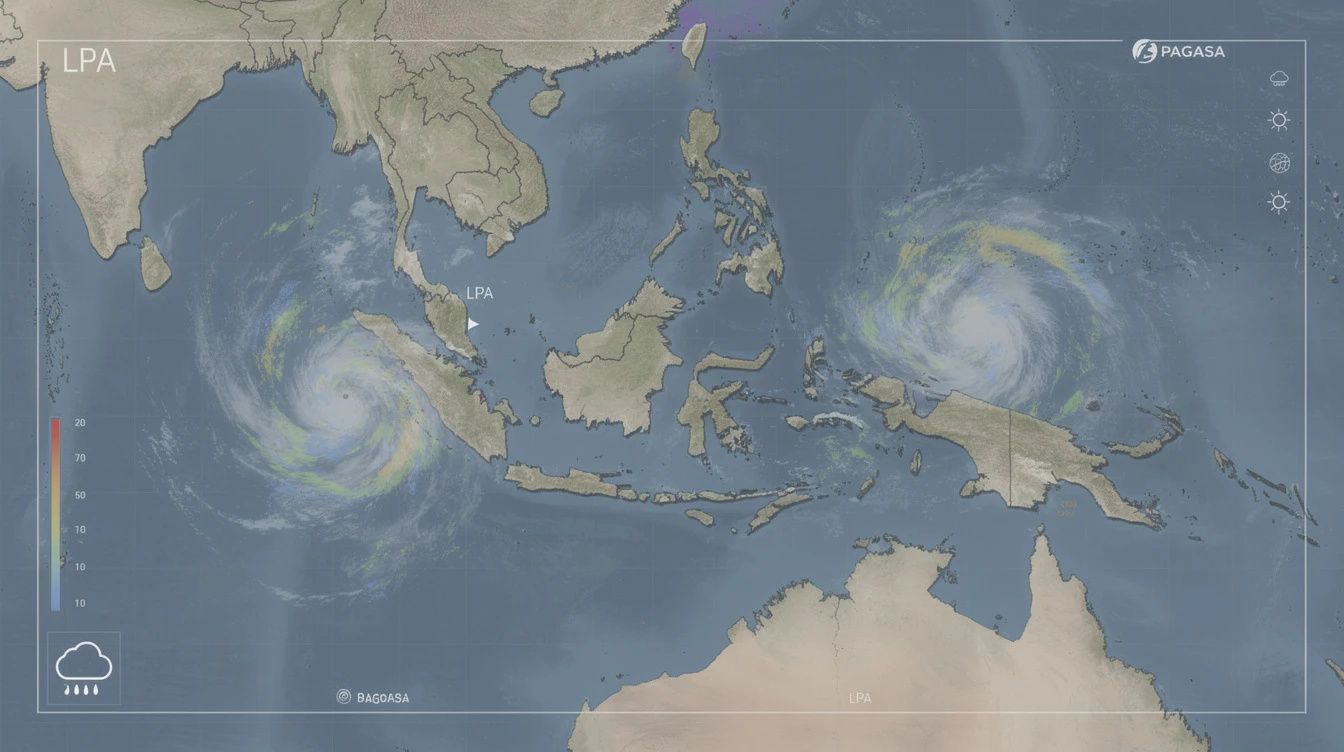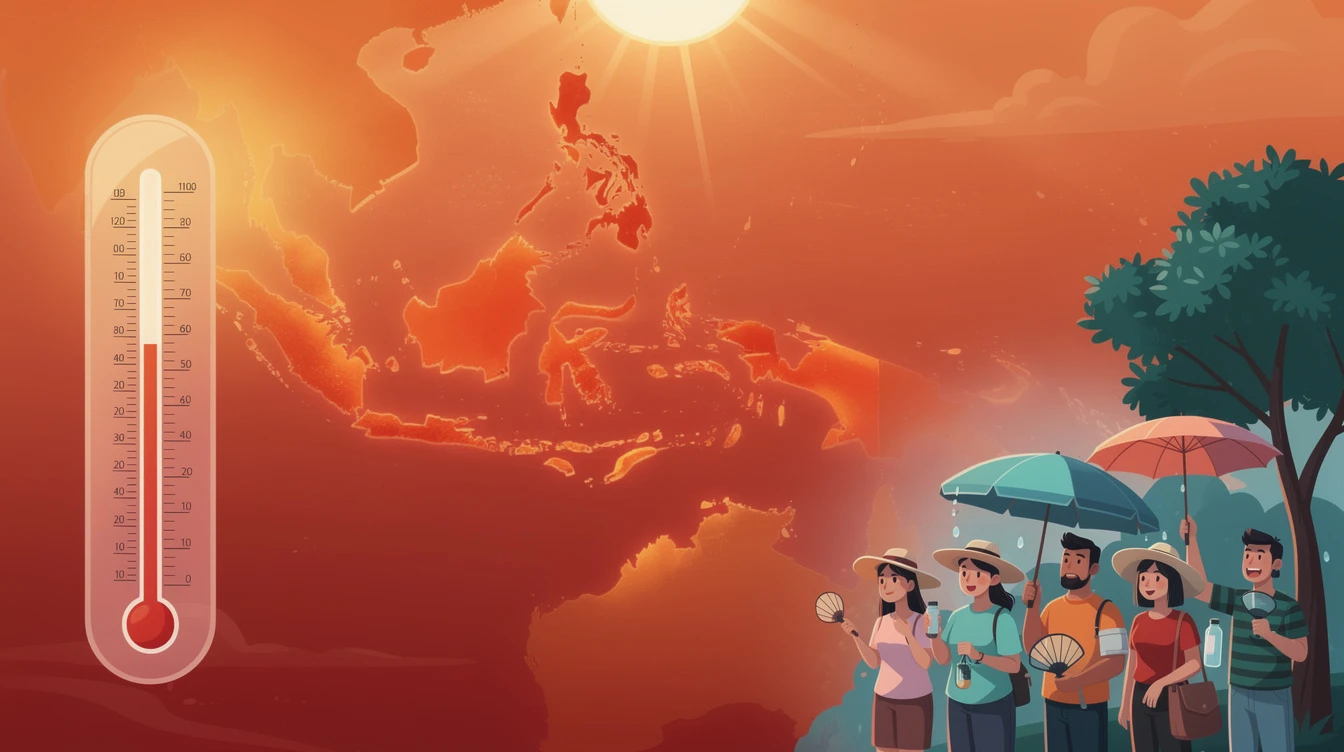
The state weather bureau PAGASA has issued a heat index warning for Thursday, April 30, 2026, forecasting "danger level" temperatures in seven areas across the Philippines. The announcement comes as the country continues to grapple with rising temperatures linked to an ongoing El Niño alert.
According to PAGASA's 5 p.m. heat index forecast on Wednesday, the following areas are expected to experience a heat index ranging from 42°C to 45°C tomorrow:Aparri (Cagayan),Dagupan City (Pangasinan),NAIA Pasay,Science Garden Quezon City,Pili (Camarines Sur),Roxas City (Capiz), and Zamboanga City.
Previously, on April 29, PAGASA warned eight areas would face similar danger-level heat, including Iba (Zambales) and Catarman (Northern Samar). The heat index on Wednesday reached 44°C in Dagupan,41°C at NAIA Pasay, and 40°C at Science Garden in Quezon City.
The heat index measures how hot it feels to the human body when relative humidity is combined with air temperature. PAGASA emphasizes that this is not the same as the actual air temperature — it reflects the body's perceived heat stress.
What Does 'Danger Level' Mean?
PAGASA classifies heat index values into four categories:Caution (27°C–32°C),Extreme Caution (33°C–41°C),Danger (42°C–51°C), and Extreme Danger (52°C and above).
A "danger level" heat index of 42°C to 51°C means heat cramps and heat exhaustion are likely, and heat stroke is probable with continued exposure. The body struggles to cool itself, leading to strain on the heart and kidneys.
Experts warn that prolonged exposure during outdoor work, commuting, or recreation significantly raises health risks. Vulnerable groups include the elderly,children, and those with pre-existing conditions.
El Niño Alert Still Active
Last week, PAGASA issued an El Niño Alert as forecast probability rose to 70%, with development expected from June to August 2026. This climatic phenomenon typically brings below-normal rainfall and higher temperatures to much of the country.
PAGASA earlier projected that Metro Manila temperatures could reach 35°C to 39°C in April and 35.5°C to 37.6°C in May, with heat index values possibly exceeding 42°C.
The current heat wave aligns with these projections, and the bureau advises the public to stay hydrated,avoid direct sun exposure from 10 a.m. to 3 p.m., and wear light clothing.
Real-World Impact on Filipinos
For millions of Filipinos who work outdoors —construction workers,farmers,vendors, and delivery riders — the "danger level" heat index poses a daily risk.Heat cramps can occur even during short exposure, while heat exhaustion symptoms include heavy sweating, weakness, dizziness, and nausea.
In schools without air conditioning, students and teachers face reduced concentration and heat-related illnesses. Some local governments have already shortened class hours or shifted to remote learning during peak heat.
The Department of Health (DOH) reminds the public to recognize early signs of heat stroke:hot dry skin,confusion,unconsciousness, and high body temperature above 40°C. Immediate medical attention is crucial.
For more safety tips, visit ourWeather category or read aboutPinoyPulse's mission.
What to Do If You Experience Heat Illness
First aid for heat-related conditions includes moving the person to a cool shaded area, applying cool compresses, and giving water if they are conscious. Do not give sugary or caffeinated drinks.
If symptoms worsen — such as vomiting,fainting, or seizures — call for emergency help immediately. Hospitals in affected areas report increased admissions for heat stroke during extreme heat events.
Local government units (LGUs) are advised to set up cooling centers and distribute electrolyte solutions in public markets and transport terminals.
For a list of PAGASA's latest updates, check their officialFacebook page andnews reports.
Frequently Asked Questions
What is the difference between air temperature and heat index?
Air temperature is the actual temperature measured by a thermometer. The heat index accounts for humidity, making it feel hotter than the actual air temperature. For example, 35°C with 70% humidity can feel like 45°C.
Which areas are affected on April 30, 2026?
The seven areas are Aparri (Cagayan),Dagupan City (Pangasinan),NAIA Pasay,Science Garden Quezon City,Pili (Camarines Sur),Roxas City (Capiz), and Zamboanga City.
What should I do if I feel symptoms of heat stroke?
Move to a cool place, remove excess clothing, apply cool compresses to the neck and armpits, and sip water. If you feel confused, faint, or have a high fever, seek medical help immediately.
Future Outlook
With the El Niño alert still active, PAGASA expects above-normal temperatures to persist through the coming months. The bureau urges all Filipinos to adapt by staying informed, monitoring daily heat index forecasts, and taking proactive measures to protect health.
Long-term strategies include urban greening,better building insulation, and early warning systems. The government is also evaluating heat wave emergency protocols for vulnerable communities.
Stay safe, stay cool, and keep followingPinoyPulse for real-time weather updates and life-saving tips. Learn more aboutwho we are and how we serve the Filipino community.