A magnitude 5.6 earthquake struck the Taiwan region on Friday, according to the German Research Centre for Geosciences (GFZ). Reports indicate the quake was shallow, registering at a depth that often amplifies ground shaking. While no immediate tsunami warning was issued, the event sent ripples of concern across the Philippines, a nation equally vulnerable to tectonic movements. (Source: GMA News)
For Filipino readers, this isn't just a distant headline. The Philippines sits on the same volatile Pacific Ring of Fire as Taiwan. Understanding how this quake affects our region is crucial for preparedness.
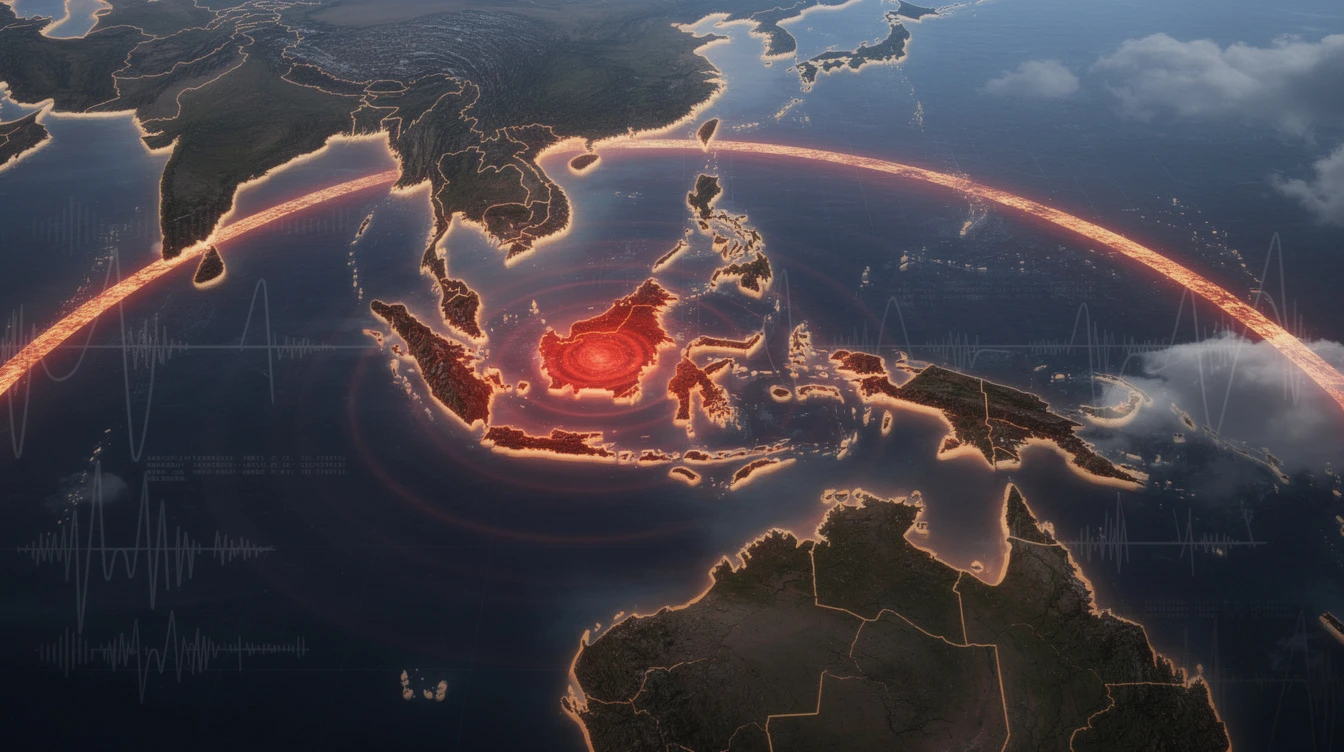
Featured Image: A map showing the Pacific Ring of Fire with Taiwan and the Philippines highlighted. A small earthquake icon near Taiwan with a dotted line connecting it to the archipelago. The image should convey alertness and geographical connection.
Why This Taiwan Earthquake Matters to the Philippines
Seismologists explain that the Philippines and Taiwan share a common tectonic boundary. The Luzon Volcanic Arc and the Taiwan orogeny are both products of the Philippine Sea Plate subducting under the Eurasian Plate. A major shift in one area can induce stress changes nearby.
Dr. Renato Solidum, former director of PHIVOLCS, has previously stressed that significant earthquakes in neighboring tectonic zones can influence fault behavior in the Philippine archipelago, though direct triggering is rare. This event heightens vigilance.
Charts/Infographics: A simple bar chart comparing the frequency of magnitude 5+ quakes in Taiwan vs. the Philippines over the last decade. Source data should be from GFZ or USGS historical records.
Latest Developments and Key Data
The quake struck on Friday, May 1, 2026, according to GFZ data. The depth was shallow, typical for destructive quakes. No casualties or major damage were immediately reported from Taiwan. However, PHIVOLCS advised local authorities along the northern Luzon coast to monitor for unusual sea level changes, though no tsunami threat was raised for the Philippines.
The shallow depth of this 5.6 magnitude quake makes it a critical case study. Shallow quakes dissipate less energy before reaching the surface, often causing more intense shaking than deeper ones of similar magnitude.
Expert Opinions on Seismic Impact
Dr. Mahar Lagmay, a noted geologist from the University of the Philippines, explains that "stress transfer" from large seismic events is a well-documented phenomenon. While a 5.6 quake isn't large enough to trigger a major chain reaction, it serves as a reminder that the region remains seismically active.
PHIVOLCS maintained that there is no immediate cause for alarm but urged the public to review their emergency preparedness plans. "Each quake in our neighborhood is a rehearsal for the 'Big One' that we might face here," one official noted.
Real-World Impact on Filipinos
For Overseas Filipino Workers (OFWs) in Taiwan, this event caused brief anxiety. Many are employed in manufacturing and services sectors in Taiwan's urban centers. Philippine consular offices have protocols to assist nationals during seismic events.
Back home, social media erupted with discussions about earthquake preparedness. Netizens shared tips and recalled the devastating 1990 Luzon earthquake and the 2013 Bohol quake. The psychological impact of such news fosters a culture of resilience but also highlights gaps in infrastructure resilience, especially in northern Luzon.
Future Outlook and Preparedness
Seismic monitoring agencies stress that the probability of a significant earthquake affecting the Philippines remains constant. The 5.6 quake in Taiwan does not change the forecast, but it underscores the need for updated building codes and community drills.
Local government units in Region 1 and the Cordillera Administrative Region are now scheduled for additional earthquake drills in the coming weeks. Public awareness campaigns are being refreshed on theLifestyle andAbout pages of PinoyPulse.
Preparedness kits, securing heavy furniture, and knowing evacuation routes remain the best defenses. The Philippines must use this event as a teachable moment rather than a source of panic.
Conclusion
The magnitude 5.6 earthquake in Taiwan is a powerful reminder of the restless planet we live on. For the Philippines, it reinforces the shared seismic destiny within the Pacific Ring of Fire. While no direct threat emerged, the event catalyzed crucial conversations about preparedness and resilience. As Filipinos, our strength lies in staying informed and proactive, ensuring that when the ground shakes, we stand firm.