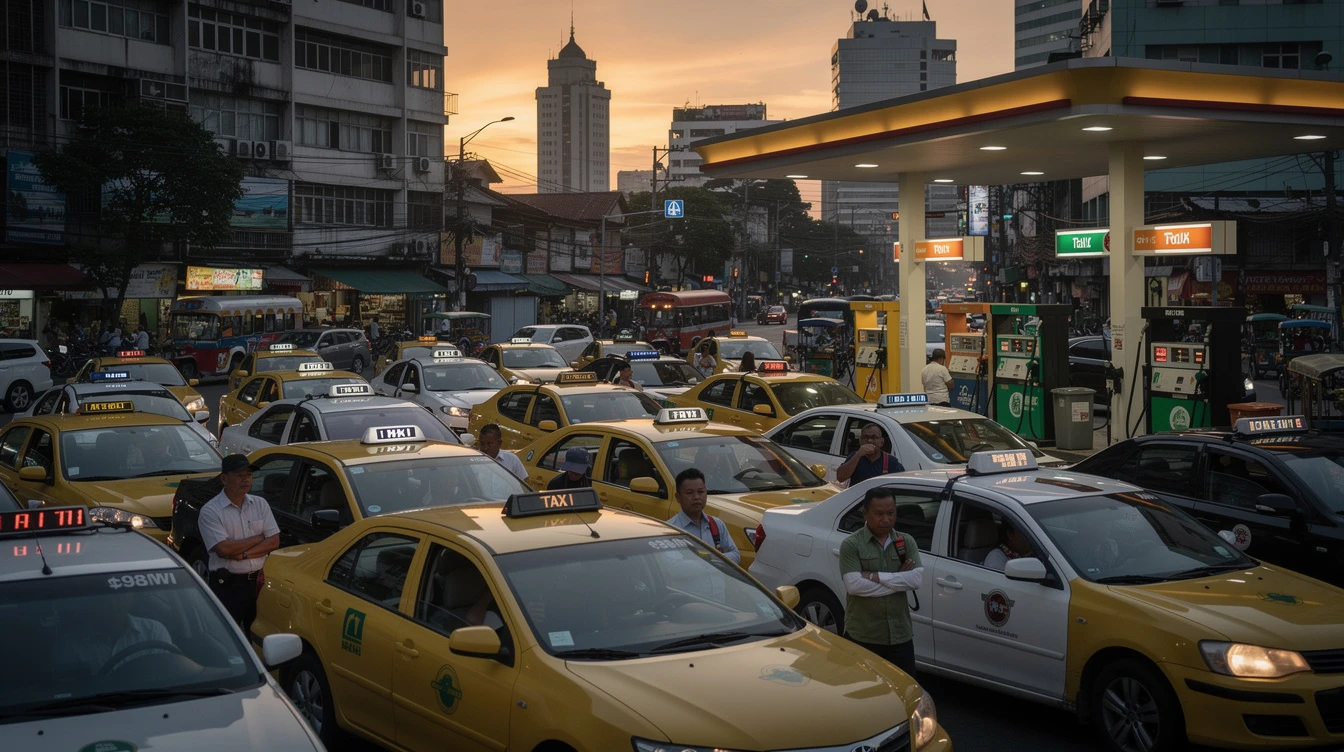
The Land Transportation Franchising and Regulatory Board (LTFRB) has distributedmore than P98 million in fuel subsidies to taxi operators and drivers across the Philippines. The aid, released recently, is part of a broader government program to cushion the public transport sector from volatile global oil prices. This direct financial support is crucial for maintaining affordable fares for millions of Filipino commuters.
According to LTFRB Chairman Teofilo Guadiz III, the distribution is ongoing and targets legitimate franchise holders. The subsidy aims to prevent fare hikes and ensure the stability of taxi services, a vital component of urban mobility. The board emphasized that the funds are being disbursed through validated channels to intended beneficiaries.
TheP98 million forms part of a largernearly P1 billion fuel subsidy package for all public utility vehicles (PUVs). This broader initiative underscores the government's recognition of the transport sector's economic role. Officials stated that the program is funded through the national budget under the Department of Transportation (DOTr).
Eligible beneficiaries include taxi operators and drivers with valid franchises and updated records with the LTFRB. The subsidy is a direct cash transfer intended to offset operational costs. Chairman Guadiz urged all qualified recipients to coordinate with their operators or LTFRB regional offices to claim their share.
The release comes amid persistent calls from transport groups for more substantial and consistent government support. While welcomed, some sector representatives argue the amount is insufficient given the continuous climb in diesel and gasoline prices. They highlight that the subsidy provides only temporary relief for a systemic challenge.
For the average Filipino commuter, this subsidy is a buffer against immediate fare increases. The LTFRB has consistently linked financial aid to its decision to hold off on approving new fare hike petitions. This policy aims to balance the welfare of both drivers and the riding public during economic strain.
The program's rollout involves coordination with the Land Bank of the Philippines and other financial service providers. Beneficiaries receive the subsidy through cash cards or direct bank transfers. The LTFRB has established help desks to assist claimants and address concerns regarding the application process.
Monitoring and validation mechanisms are in place to prevent fraud and ensure the funds reach legitimate PUV operators. The board has warned against fixers and promised sanctions for any misappropriation. Transparency in the distribution process remains a key commitment from the agency.
This targeted aid for taxis follows previous subsidy tranches for jeepney, bus, and UV Express drivers. The staggered approach allows the government to manage the fund's distribution across different transport modes. Each sector's allocation is based on fleet size and operational impact.
The economic significance extends beyond direct recipients. A stable taxi sector supports tourism, business operations, and daily commuting for workers. By subsidizing fuel, the government indirectly supports broader economic activity and job preservation in the transport industry.
However, analysts note that fuel subsidies are a reactive measure. Long-term solutions, such as transitioning to electric vehicles or improving fuel efficiency, are necessary for sustainable transport. The current policy provides a critical stopgap while longer-term plans are developed.
The LTFRB's announcement reaffirms the administration's focus on mitigating inflation's impact on essential services. As global oil markets remain unstable, similar interventions may be required in the future. The board is prepared to process additional funds if allocated by the national government.
For overseas Filipinos, this news highlights efforts to maintain normalcy and affordability for their families back home. Reliable and reasonably priced transportation is a cornerstone of daily life in the Philippines. Understanding these support mechanisms is part of staying connected to local developments.
The distribution of theP98 million subsidy is a tangible example of fiscal policy addressing a immediate need. Its success will be measured by the continued operation of taxi units without service disruption or excessive fare adjustments. The LTFRB continues to monitor the situation closely.
This development is part of ongoing coverage of government aid programs atPinoyPulse News. For more insights into policies affecting daily life, visit ourAbout page.
The fuel subsidy for taxi operators and drivers is a critical economic stabilizer for the Philippines. It directly supports thousands of livelihoods and protects millions of commuters from higher transport costs. This intervention demonstrates the government's role in managing market shocks for essential public services.