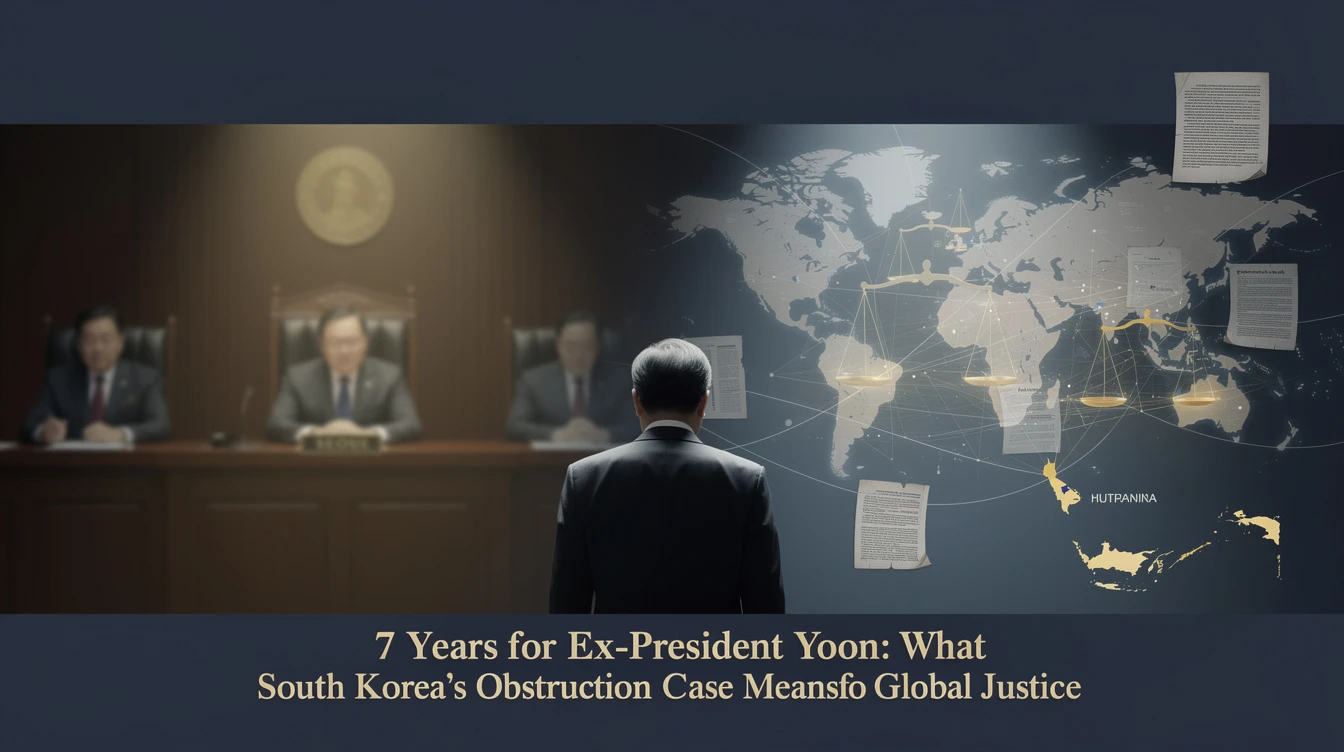
SEOUL — A Seoul appeals court has increased the prison sentence of former South Korean President Yoon Suk Yeol from five to seven years for obstruction of justice and related charges. The ruling, handed down on Wednesday, April 29, 2026, adds to his already historic life sentence for leading an insurrection tied to his failed martial law bid in December 2024.
For the Philippines, a nation that has grappled with its own constitutional crises, Yoon's case serves as a powerful reminder of how democracies hold fallen leaders accountable — even from the highest office.
The Obstruction Case: Key Charges and Verdict
The appellate court found Yoon guilty of abusing his presidential authority, obstructing official duties, and fabricating documents. The case stems from his actions during and after the controversial martial law declaration in December 2024.
What Did the Lower Court Decide?
In January 2026, a lower court sentenced Yoon to five years in prison for abuse of power and other charges. Prosecutors appealed, arguing the sentence was too lenient given the severity of his offenses.
Appeals Court Ruling
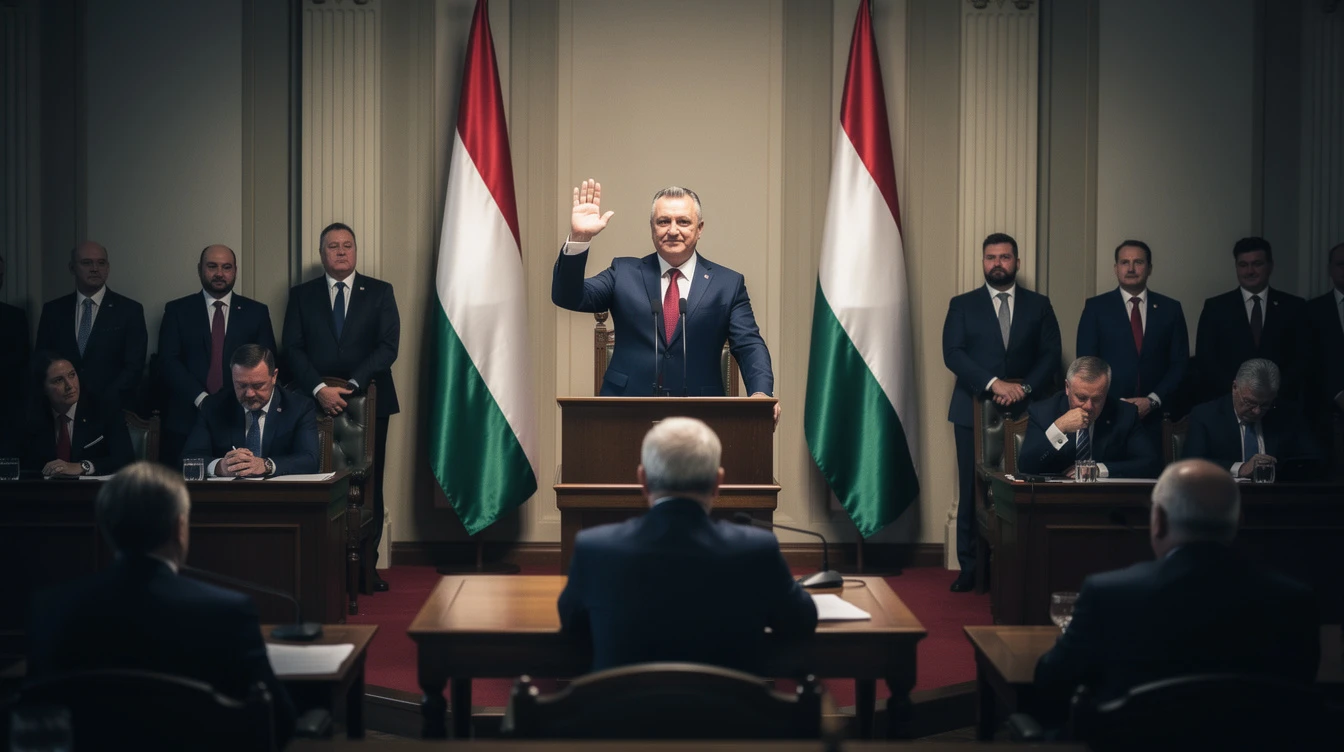
Judge Yoon Seong-sik, delivering the ruling, stated: "As sitting president at the time of the crimes, Yoon bore a heavy responsibility to uphold the Constitution and to protect and advance the people’s freedoms and rights, but instead he betrayed that duty and deepened social unrest through this case."
The court increased the sentence to seven years, reflecting the gravity of abusing presidential security agents to block his own arrest and other obstruction tactics.
Separate Insurrection Case: Life Sentence Stands
In a parallel trial, Yoon was sentenced to life imprisonment in February 2026 for leading an insurrection. That conviction stemmed from his abrupt imposition of martial law, which sparked widespread protests and a constitutional crisis. The obstruction sentence will run concurrently with the life term, though the practical impact remains symbolic as Yoon serves his life sentence.
How South Korea Responded
Citizens gathered at Seoul Station and across the capital to watch live broadcasts of the sentencing. The public reaction has been mixed — some see the verdict as justice served, while others view it as politically motivated. Yoon's legal team has announced plans to appeal the obstruction ruling to the Supreme Court.
The case has drawn international attention, especially from democracies like the Philippines, where debates about executive overreach remain pertinent.Read more on Philippine political accountability systems.
Global Implications for Leadership Accountability
Yoon's case exemplifies a trend: courts worldwide are increasingly willing to hold former heads of state accountable for abuses committed while in power. South Korea's robust judicial system, often hailed for its independence, has once again demonstrated that no leader is above the law.
For Filipino readers, the parallels are instructive. The Philippines has its own history of executive power struggles, including the Martial Law era under Ferdinand Marcos and the more recent controversies under the Duterte administration. The Yoon case offers lessons on how institutional checks — particularly an independent judiciary — can restore democratic balance.
External observers, including legal scholars and human rights groups, have praised the Seoul High Court for its thorough deliberation. TheKorea Times reports that the court rejected Yoon's defense that his actions were part of legitimate presidential duties.
What Happens Next for Yoon Suk Yeol
Yoon remains incarcerated and will continue to serve his life sentence for insurrection. The Supreme Court will review the obstruction case appeal, potentially setting a precedent for future accountability mechanisms. Legal experts note that the Supreme Court may take months or even years to issue a final ruling.
Politically, Yoon's imprisonment has reshaped South Korea's political landscape. His party, the People Power Party, has distanced itself from him, while opposition parties leverage the verdict to push for constitutional reforms.
For a deeper dive into how Philippine laws compare, explore ourmission to inform Filipino readers on global justice trends.
FAQ: South Korea’s Yoon Suk Yeol Sentencing
Why was Yoon Suk Yeol sentenced to 7 years for obstruction?
The appeals court found him guilty of abusing presidential power, obstructing justice, and fabricating documents related to his martial law declaration and subsequent arrest evasion. The sentence was increased from 5 to 7 years on appeal.
Does the 7-year sentence replace his life term?
No. The life sentence for leading an insurrection remains separate and takes precedence. The obstruction sentence will run concurrently, meaning Yoon will still serve life in prison.
Could Yoon ever be released?
Under South Korean law, a life sentence typically allows parole after 20 years, but given his additional 7-year sentence and the gravity of the crimes, eligibility remains uncertain. The final outcome rests with the Supreme Court.
What does this mean for the Philippines?
The case underscores the importance of judicial independence and accountability for top officials. It offers a comparative lens for Filipinos examining their own constitutional checks and leaders’ responsibilities.