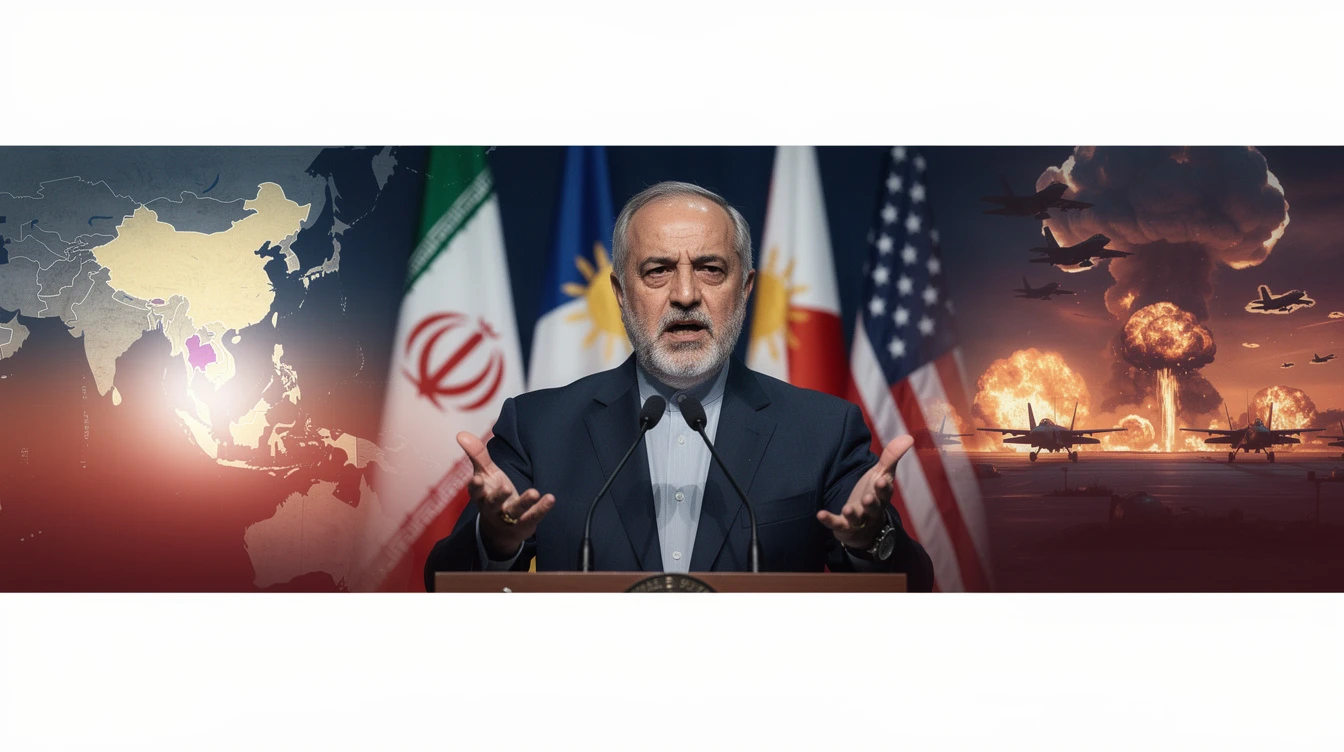
Iran's President Masoud Pezeshkian demanded an immediate and unconditional cessation of US-Israeli aggression during a phone conversation with India's Prime Minister Narendra Modi on Saturday. Pezeshkian warned that stopping hostilities is essential to end the ongoing war and prevent a wider regional conflict.
Iran's Leader Calls for Immediate End to Aggression
Phone Conversation with Indian PM Modi
During the call, Pezeshkian emphasized that the cessation must be binding to ensure lasting peace in the volatile region. The Iranian president stated that unconditional stopping of hostilities remains the only viable path forward.
Demand for Guarantees Against Future Attacks
Pezeshkian also insisted on ironclad guarantees to prevent future aggression against Iran. This reflects Tehran's longstanding concern about perceived threats to its sovereignty and territorial integrity. The stance signals a hardening of Iran's position as regional tensions escalate with multiple active fronts.
BRICS Nations Urged to Take Independent Action
Tehran Seeks Multilateral Intervention
Pezeshkian called on BRICS nations to play an independent role in halting aggression against Iran. He appealed to the bloc—including Brazil, Russia, India, China, and South Africa—to distance itself from Western-backed military initiatives. This underscores Tehran's effort to build alternative diplomatic alliances.
Regional Security Framework Proposed
Separately, Pezeshkian proposed a comprehensive regional security framework comprising West Asian countries. Under this proposal, nations would collectively address security concerns through dialogue rather than external military intervention. Iranian officials believe this would reduce dependence on outside powers that Tehran claims have exacerbated regional conflicts.
Modi Condemns Attacks on Critical Infrastructure
India's Diplomatic Response to Middle East Crisis
Prime Minister Modi confirmed he discussed the Middle East situation with Pezeshkian on social media platform X. Modi stated he condemned attacks on critical infrastructure in the Middle East during the conversation. India's position reflects growing international concern over humanitarian consequences disrupting energy supplies and shipping lanes essential to global trade.