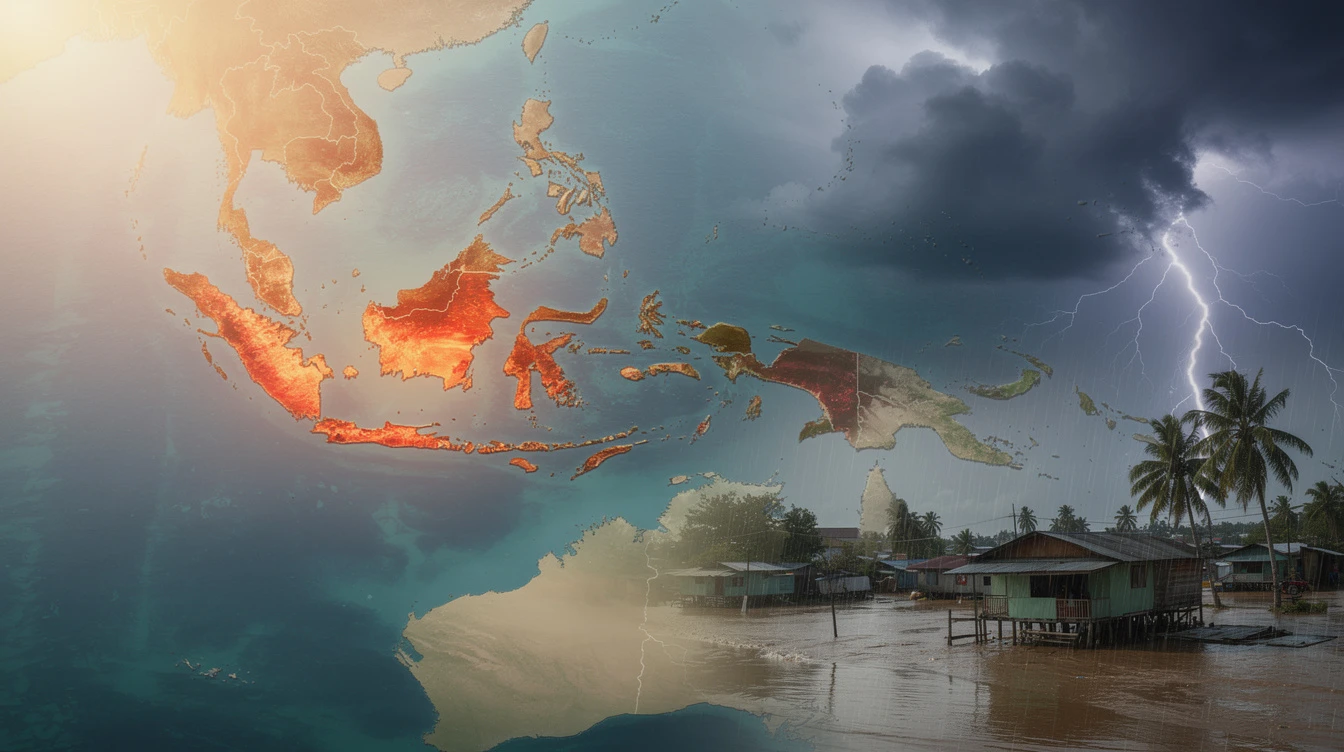
India's government forecast on Monday, April 13, 2026, that the country will likely receive below-average monsoon rains for the first time in three years, a development with direct implications for Philippine food security and inflation.
The India Meteorological Department's prediction for the June-September 2026 season follows two consecutive years of above-average rainfall that boosted agricultural output.
Officials cited the potential impact on farm production and economic growth in Asia's third-largest economy, which is already battling inflation partly driven by geopolitical tensions.
"A deficit monsoon could affect kharif (summer-sown) crop production, particularly rice, sugarcane, and oilseeds," said a senior Indian agriculture ministry official who requested anonymity.
This forecast matters profoundly to the Philippines, one of the world's top rice importers that regularly sources from India and other Asian neighbors.
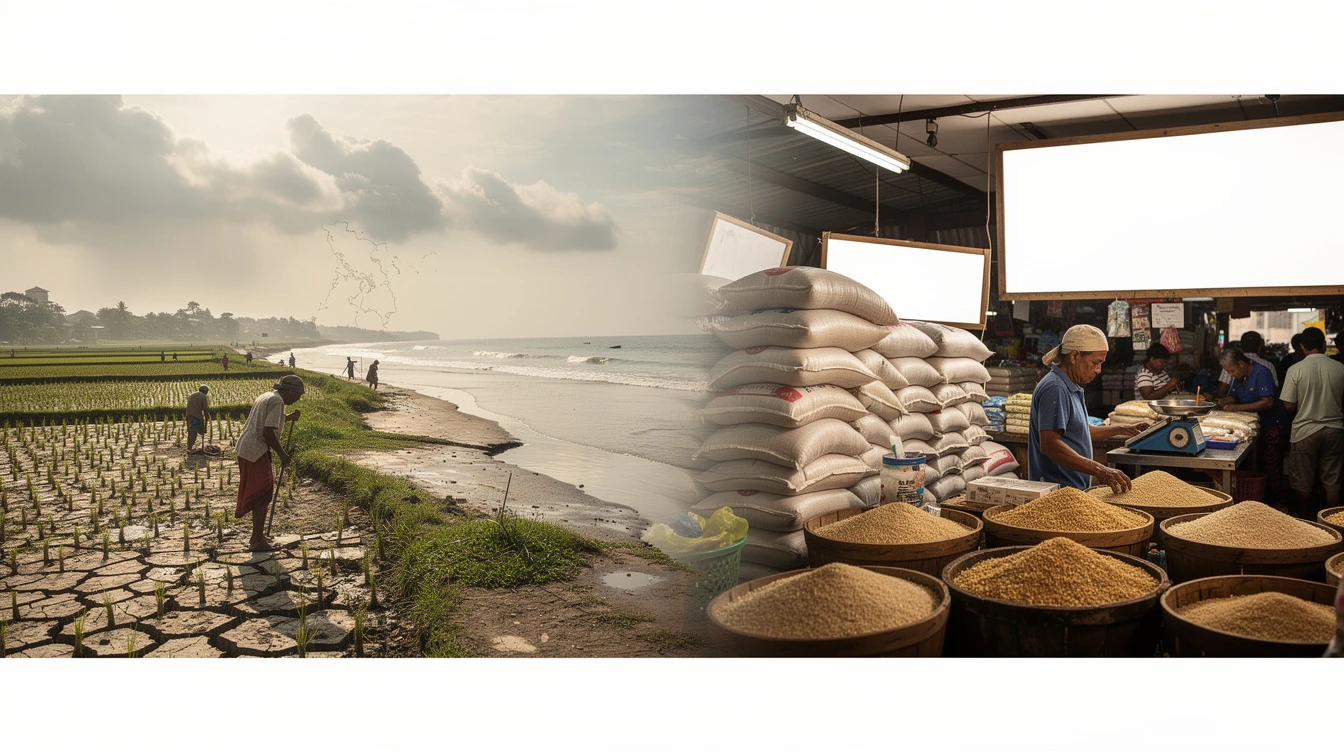
Any significant drop in India's rice production could tighten global supply, potentially driving up prices that Manila and millions of Filipino families pay for their staple food.
The Philippines' own agricultural sector remains vulnerable to climate shocks, making reliable import sources crucial for maintaining stable National Food Authority buffer stocks.
India exported approximately 2.5 million metric tons of non-basmati rice in 2025, with shipments often destined for Southeast Asian markets including the Philippines.
Bangko Sentral ng Pilipinas monitors such global agricultural developments closely, as food prices account for a significant portion of the consumer price index basket.
"Global supply shocks, especially from major producers like India, transmit quickly to our local markets," explained a BSP economist familiar with inflation modeling.
For the over 10 million overseas Filipino workers worldwide, particularly those in the Middle East and Asia, higher food inflation in host countries could reduce remittance purchasing power.
Filipino consumers are still recovering from recent price spikes in onions, sugar, and other commodities, making them sensitive to new inflationary pressures.
The Department of Agriculture has been pursuing rice self-sufficiency through programs like Masagana Rice Industry Development, but the country still imports to meet consumption needs.
India's monsoon performance influences not just rice but also other commodities like sugar and corn, which are inputs for various Philippine food manufacturing industries.
Weather scientists note that a developing El Niño pattern in the Pacific could be contributing to the forecast, a phenomenon that also affects Philippine rainfall patterns.
The Philippine Atmospheric, Geophysical and Astronomical Services Administration typically issues its own monsoon forecast in the second quarter, which farmers nationwide await.
Agricultural experts advise that the Philippine government should diversify import sources and strengthen local production buffers in anticipation of potential global shortfalls.
"This is a preemptive signal for our agencies to review contingency plans," said a policy analyst from the Philippine Institute for Development Studies.
The timing is critical as the Marcos administration continues to prioritize food affordability and security as cornerstone economic policies.
For the average Filipino household spending a large portion of income on food, stability in the global rice market directly translates to meal security and financial well-being.