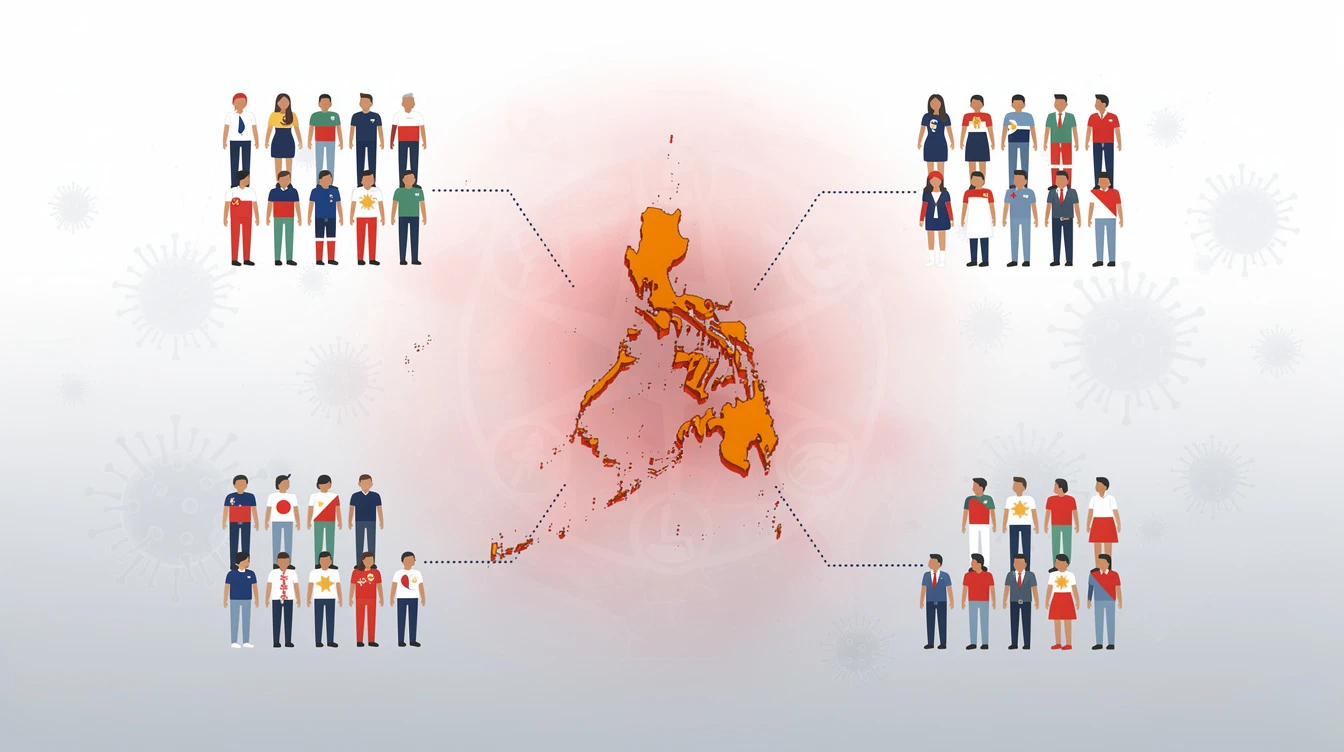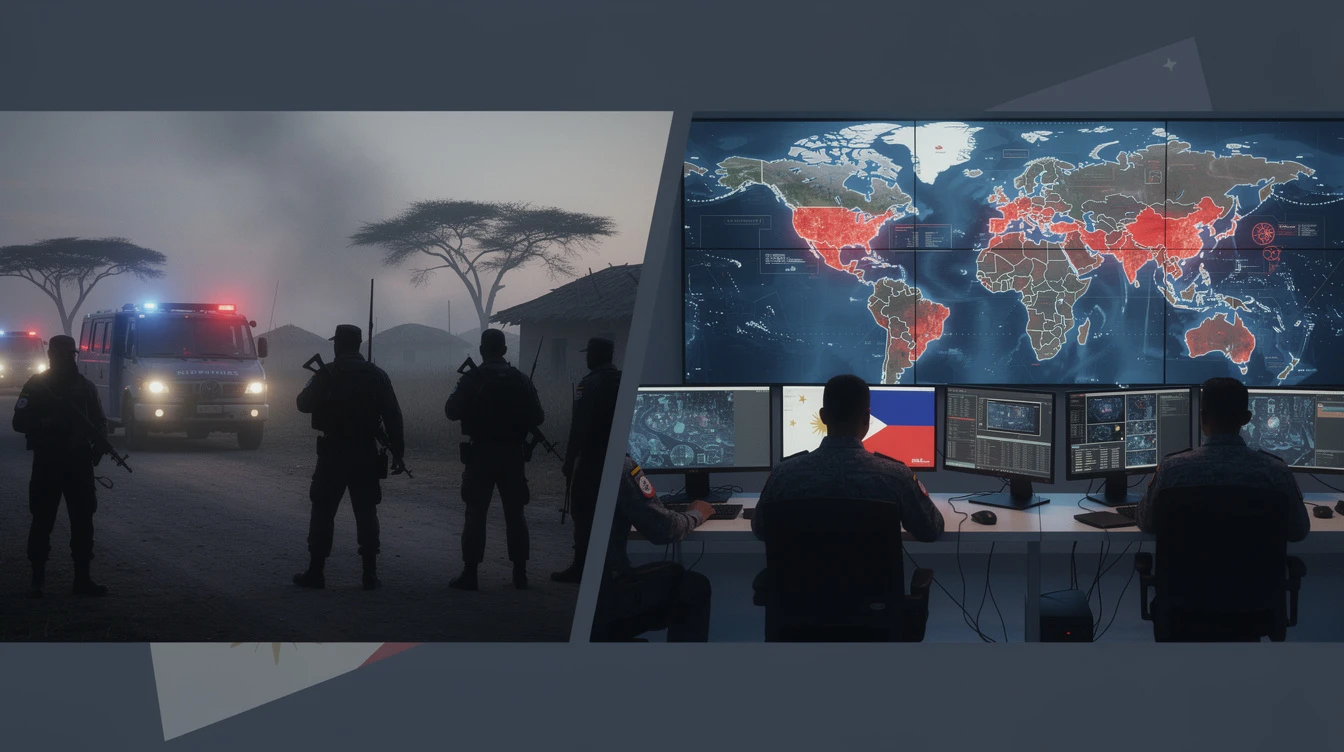
Gunmen killed at least 29 people in an attack on Guyaku and Telabala communities in Gombi Local Government Area of Adamawa State, Nigeria, Governor Ahmadu Umaru Fintiri confirmed on Sunday. The attackers struck at about 5:00 p.m. during a football match at a local primary school, shooting sporadically and forcing residents to flee. This incident bears striking parallels to past attacks by extremist groups in the Philippines, prompting local security officials to review counter-terror protocols, according to analysts.
The assault occurred just a week after a similar incident in Mayo Ladde in Hong Local Government Area, highlighting a pattern of violence in Nigeria's northeast. Governor Fintiri, visibly worried, visited the affected areas to assess the impact and calm victims. He described the attackers as "criminal elements of Boko Haram," a group that has inspired militant factions in other regions, including Southeast Asia. For more on regional security, see Philippine Politics.
Nigeria
Witnesses reported that the gunmen invaded the community during a football match at the community's primary school, shooting sporadically and prompting residents to flee to safer locations amid confusion and fear. The attack came about a week after a similar incident in Mayo Ladde in Hong Local Government Area of the state. According to the governor, he visited to assess the impact of the attack by what he described as criminal elements of Boko Haram and to calm the victims.
He assured residents that the government and security agencies are on top of the situation and will ensure their protection. Governor Fintiri, visibly worried, sympathised with the people and confirmed that about 29 persons died in the attack, describing the incident as sad and unfortunate. The Nigerian military has since intensified patrols, but local residents remain on edge, fearing further reprisals.
The attack in Nigeria has drawn attention from Philippine security experts who track similar threats from local extremist groups. The Philippines has faced its own challenges from groups like the Abu Sayyaf Group and the Maute Group, which have employed similar tactics of attacking civilian gatherings. "The modus operandi is disturbingly familiar," said a security analyst who spoke on condition of anonymity. "This underscores the need for the Philippines to remain vigilant."
Attack
Philippine authorities, including the Philippine National Police and the Armed Forces of the Philippines , have already implemented measures to protect crowded public spaces, such as markets and sports events. The Department of National Defense has a standing order to monitor international terror trends, and this incident may lead to a reassessment of current security postures. For the latest updates on defense policies, visit Technology.
The attack also highlights the global nature of terrorism, with extremist ideologies crossing borders despite geographic distances. In the Philippines, the government has made strides in containing the threat in Mindanao, but officials caution that complacency could be dangerous. "The Boko Haram attack is a reminder that we cannot let our guard down," said a senior official from the National Security Council in a recent briefing.
Governor Fintiri, speaking in Adamawa, called on the federal government to deploy more security assets to the region. "We are on top of the situation," he said, "but we need more boots on the ground to prevent future attacks." The Nigerian Air Force has conducted airstrikes in the Sambisa Forest, where Boko Haram is believed to operate, but ground forces remain stretched thin.
In the Philippines, the Anti-Terrorism Council recently approved a new action plan focusing on community engagement and intelligence sharing. The plan includes training for local officials to identify radicalization signs early. "Every attack abroad provides lessons for us at home," a council spokesperson said. "We are adapting our strategies based on global trends." For more on these initiatives, check Local.
The Philippine government has also strengthened ties with international partners, including Nigeria, through the United Nations and the Global Counterterrorism Forum . Intelligence exchanges have increased, with Manila sharing best practices on deradicalization and community policing. "Terrorism is a global threat that requires a global response," said a foreign affairs official.
Local officials in Mindanao, where similar attacks have occurred in the past, are advising residents to remain calm but alert. In Lanao del Sur, community leaders have organized peace dialogues to discourage recruitment by extremist groups. "We must not let fear paralyze us," said a provincial governor. "But we must also be prepared."
The Nigerian attack comes at a time when the Philippines is also dealing with sporadic violence from communist rebels and criminal syndicates. While the threats are different, security experts say the underlying approach to protecting civilians is similar. "Hardening targets and building trust with communities is the same everywhere," the analyst added.
Kills
For Filipino readers, the Adamawa attack is a grim reminder of the volatility in regions plagued by insurgency. It also reinforces the importance of effective governance and security sector reform in preventing such tragedies. As the Philippines continues its peace process with the Moro Islamic Liberation Front, the focus remains on preventing any new extremist groups from gaining a foothold.
Governor Fintiri has promised justice for the victims, and similar calls for accountability echo in the Philippines after past attacks. The families of the deceased in Adamawa are grieving, but their grief is shared by communities worldwide that have suffered from terrorism. This incident strengthens the case for sustained international cooperation in the fight against violent extremism.