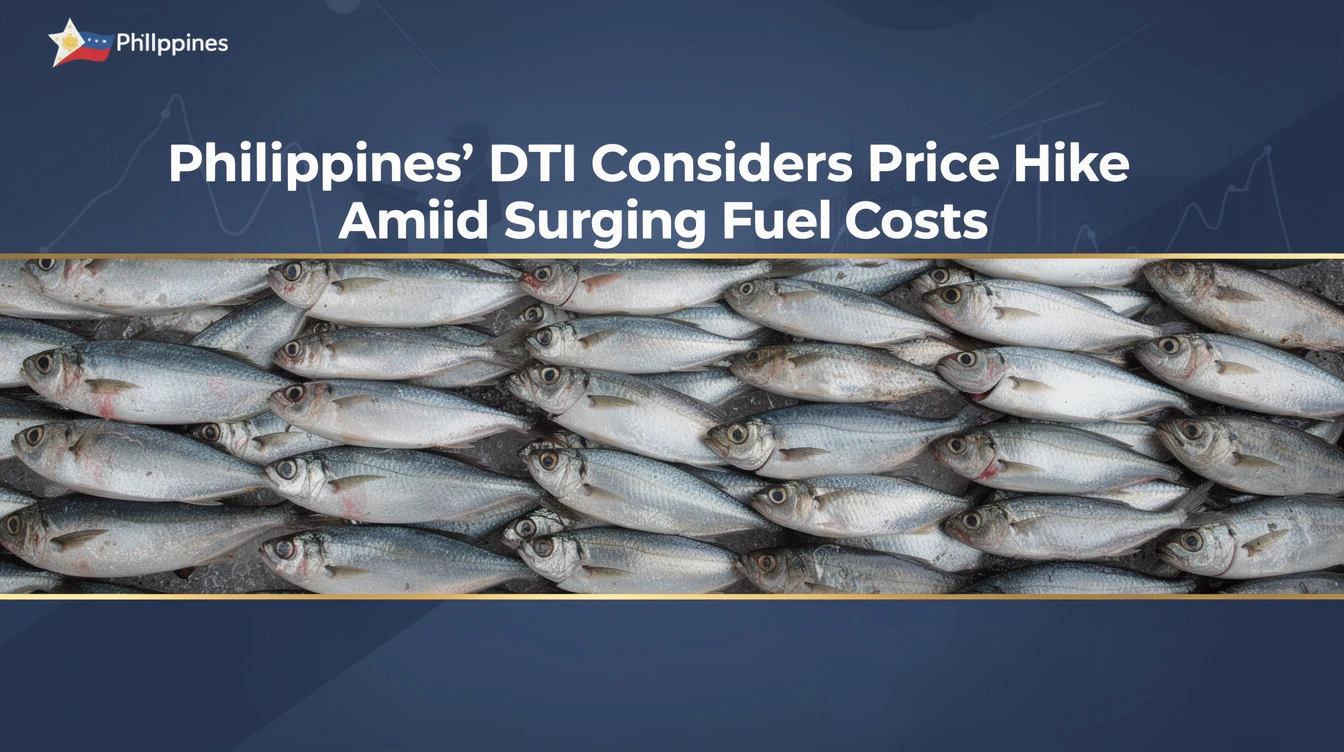
The Department of Trade and Industry is holding talks with sardine manufacturers about potential price adjustments, a direct response to surging fuel prices that have increased fishing and production costs. This development directly impacts Filipino consumers, for whom canned sardines are a critical and affordable protein source, with current suggested retail prices ranging from P15 to P21 per can.
According to DTI officials, the agency is reviewing petitions for price increases from manufacturers who cite higher expenses for diesel used by fishing boats. The government only allows price increases after rigorous review, typically capping them at around three percent to balance producer viability with consumer protection.
Industry representatives, including Buencamino, explained that fuel constitutes a major operational cost. Higher prices at the pump directly raise the expense of catching fish, which then increases production costs for sardine canneries. This cost-pressure chain threatens the stability of a key item in the Filipino diet.
The DTI's ongoing evaluation aims to prevent undue profiteering while acknowledging legitimate cost hikes. Officials have not disclosed exact figures for any approved adjustments, emphasizing that any changes must be justified and minimal. The process involves verifying manufacturers' cost breakdowns submitted to the agency.
This situation highlights the vulnerability of local food supply chains to global oil price fluctuations. The Philippines, as an archipelago, relies heavily on maritime transport and fishing, making fuel costs a primary driver of food inflation. The potential sardine price hike follows recent adjustments for other staples like instant noodles.
For the average Filipino family, even a small increase in the price of sardines can strain tight household budgets. Canned sardines are a pantry staple, especially during emergencies and for low-income groups, providing a shelf-stable source of nutrition. Any price movement is closely monitored by consumer groups.
The government's role in approving SRP increases for basic necessities is mandated by law to shield the public from sudden price shocks. The DTI's cautious approach reflects the delicate task of supporting local industries without overburdening consumers already facing broader economic pressures.
This development is significant for Filipino readers as it touches on food security, inflation, and household economics. A price increase for a foundational food item like sardines reduces disposable income and forces families to make difficult budgeting choices, underscoring how global market dynamics directly affect the Philippine dinner table.