A French teenager accused of licking a straw from an IJOOZ vending machine in Singapore has been granted court permission to travel to Manila for a school internship. The district court approved Didier Gaspard Owen Maximilien's application on April 29, allowing him to leave Singapore from May 2 to 25. This unusual case has sparked a mix of legal debate and public fascination, with the Philippines suddenly becoming a key backdrop.
Maximilien, a student at the Essec Business School's Singapore campus, faces charges of public nuisance and mischief. The alleged act involved licking a straw from an orange juice vending machine and placing it back. The company reportedly had to replace all 500 straws in the machine. Now, his trip to Manila adds a new layer to an already bizarre story.
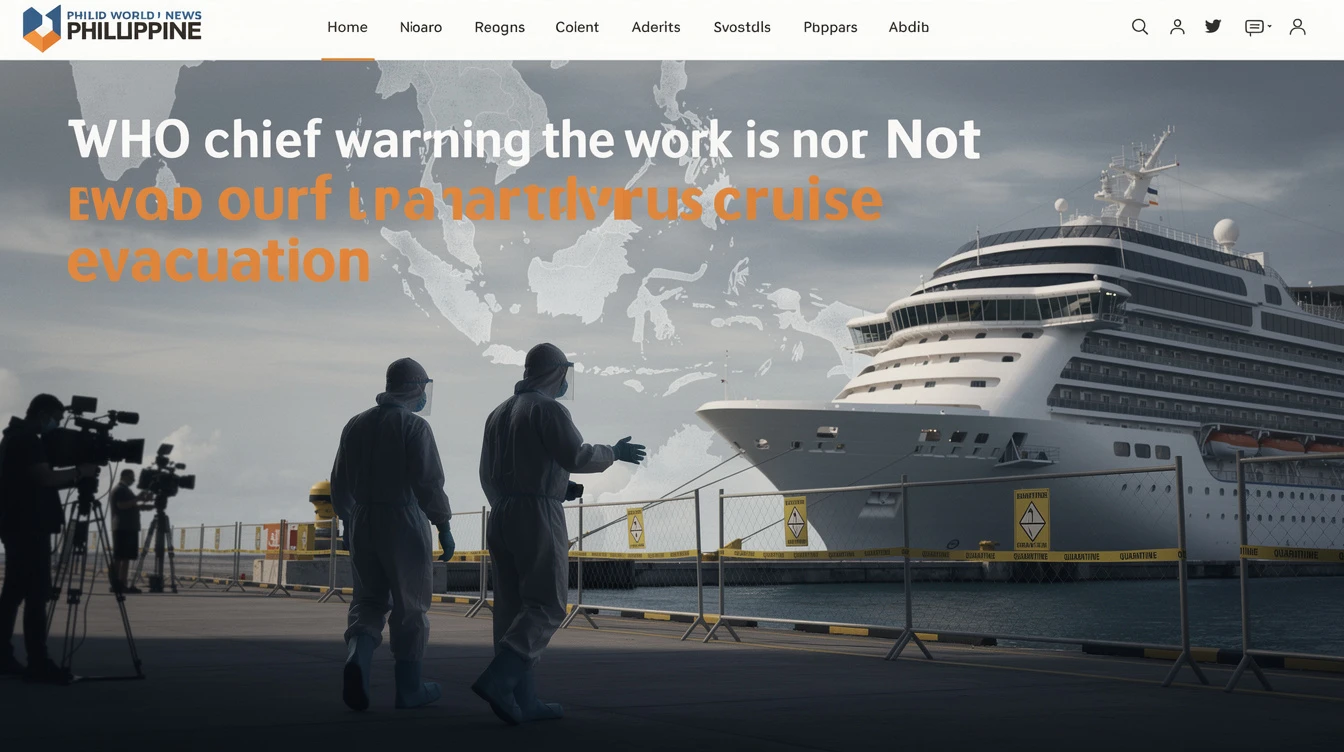
Image: The French teen, center, leaves court after winning permission to travel to Manila for an internship. Photo credit: Associated Press
The Case That Shocked Singapore
The incident occurred in early 2026 when Maximilien allegedly licked a straw from an IJOOZ vending machine in a public area. Security footage and witness reports led to his arrest. He was charged with two offenses: public nuisance, punishable by up to three months' imprisonment and a fine of up to 2,000 Singapore dollars (about 85,000 Philippine pesos), and mischief, which carries a jail term of up to two years.
IJOOZ, the vending machine operator, was forced to replace all 500 straws in the affected machine. The case drew international attention, with many questioning the severity of the charges. Under Singapore's strict laws, even minor acts can lead to significant penalties. The teen's lawyer argued that the trip to Manila was essential for Maximilien's education and future career.
Why Manila?
The court approved Maximilien's travel to Manila for a school internship, described as a key requirement for his academic program. The exact nature of the internship has not been disclosed, but it is tied to his studies at Essec Business School. This development suggests the judge considered the educational value of the trip over the potential risk of flight.
On social media, reactions were mixed.Malay Mail's Facebook post highlighted comments like "He won't come back. And that's the idea" from user Adrian Tan. Others expressed concern that Maximilien might not return to face trial. However, the court imposed conditions to ensure his return, though the specifics remain confidential.
The Philippines, as a neighboring ASEAN nation, is now a key venue for this case. Manila's proximity and strong diplomatic ties with Singapore could facilitate cooperation if needed. The teen's presence in the country also raises questions about jurisdiction and extradition should he fail to return.
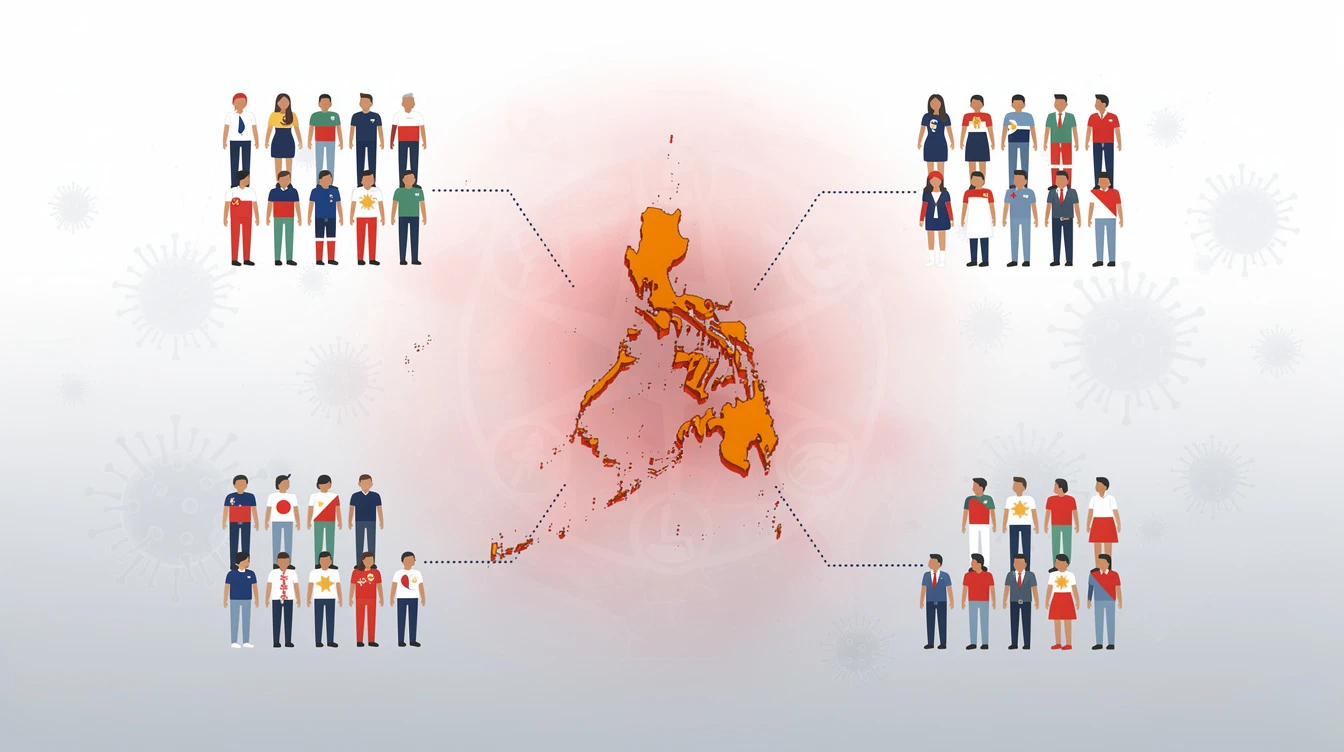
Infographic: The flight path from Singapore to Manila, where the teen will intern for 24 days.
Legal Implications
Legal experts in the Philippines weighed in on the case. Atty.Maria Reyes, a criminal law professor at the University of the Philippines, told PinoyPulse,"Under Philippine law, a similar act could be charged as unjust vexation or alarm and scandal, punishable by arresto menor or a fine. The two-year maximum in Singapore is notably severe." She added that the case underscores the cultural and legal differences between the two countries.
If Maximilien attempts to remain in the Philippines after his internship, Singapore could issue an extradition request. The two countries have an extradition treaty signed in 2007, though it has not been widely tested in high-profile cases. Philippine authorities would need to assess the request based on local laws and bilateral agreements.
The case also highlights the global nature of student mobility. With international students facing legal trouble abroad, consular support becomes critical. The French embassy in Manila is expected to monitor the situation closely. Essec Business School has not issued a public statement, but the internship arrangement suggests the school is supporting Maximilien's defense strategy.
Public Reaction in the Philippines
Social media in the Philippines has been abuzz with memes and reactions. Many netizens find the case absurd, while others express sympathy for the teen."Two years for licking a straw? That's too much," tweeted a user from Manila. However, some argue that Singapore's strict laws contribute to its low crime rate.
The case also sparked discussions about vending machine hygiene in the Philippines. While similar cases are rare, the incident could lead to increased sanitation measures in public vending machines here. Local companies like Zesto and Nestea may review their vending machine protocols to avoid similar incidents.
What Happens Next?
Maximilien is scheduled to return to Singapore by May 25. If he complies, his case will proceed under Singapore's legal system. A conviction could result in a prison sentence or a fine, depending on the judge's discretion. His lawyers are likely working on a plea deal to minimize penalties.
If he fails to return, the case could become a diplomatic issue between Singapore, France, and the Philippines. The international community will watch closely, as the outcome could set a precedent for how Singapore handles similar cases involving foreign students. For now, the teen's internship in Manila offers a brief reprieve from the legal storm.
Conclusion
The French teen's case is a reminder of how small actions can have major consequences in different legal systems. As Maximilien heads to Manila for his internship, the world waits to see whether he will return to face justice or seek asylum. For the Philippines, this case highlights the importance of diplomatic cooperation and legal preparedness in dealing with cross-border incidents.
Stay tuned toPinoyPulse News for updates on this developing story. For more on legal oddities, check outour about page to learn more about our mission.
FAQ
Why is the French teen allowed to travel to Manila?
The Singapore court approved his travel for a school internship, which is a key requirement for his academic program. The judge likely considered the educational value over the risk of flight.
What are the charges against him?
He faces public nuisance and mischief charges. Public nuisance carries up to three months in prison and a fine of up to 2,000 SGD. Mischief can lead to up to two years in jail.
Could he stay in the Philippines?
Theoretically, yes. But if he fails to return, Singapore could request extradition under the 2007 treaty. Philippine authorities would then have to evaluate the request.
What does this mean for other foreign students in Singapore?
It shows the legal system can be flexible for educational needs. However, future cases may face stricter scrutiny depending on the outcome of this one.