Another Tragic Blaze Ravages Bacoor Community
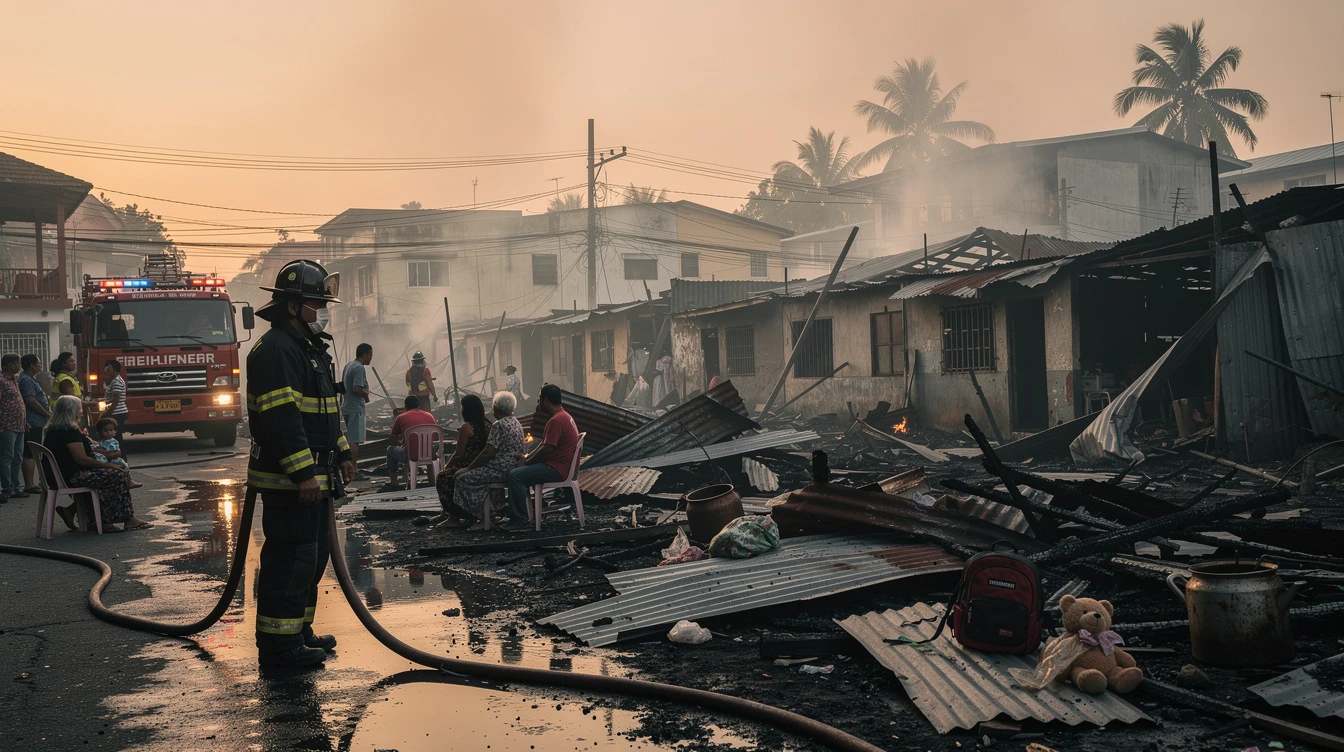
A deadly fire tore through a residential area in Bacoor, Cavite in the early hours of Tuesday, January 30. The blaze claimed five lives and left approximately 60 families homeless.
The tragedy underscores the acute vulnerability of densely packed communities in the Philippines to fire disasters.
The Timeline of a Tragedy
The Bacoor City Fire Department received the alarm at around 1:30 a.m. The fire rapidly engulfed a four-unit apartment building in Barangay Aniban V.
Initial reports indicate the fire started in one of the residential units. Strong winds and tightly packed structures fueled its swift spread.
Firefighters faced significant challenges accessing the narrow alleys of the neighborhood. This delayed their initial attack on the flames.
The fire was declared under control several hours later. By then, it had already consumed more than 50 houses.
The Human Cost: Lives Lost and Livelihoods Destroyed
The most devastating loss was the five individuals who perished in the blaze. Their identities are being withheld pending notification of relatives.
An estimated 60 families, or roughly 300 individuals, have been displaced. They lost everything—homes, possessions, and personal documents.
Survivors are now taking temporary shelter in a nearby barangay hall and evacuation center. The local government is providing immediate relief.
\"We are heartbroken,\" said a local barangay official. \"The community is close-knit. Everyone is affected by this loss.\"
Response and Relief Efforts Underway
The Bacoor City local government unit (LGU) has mobilized its Disaster Risk Reduction and Management Office (DRRMO).
Essential aid—including food packs, drinking water, blankets, and sleeping mats—is being distributed to affected families.
The City Social Welfare and Development Office (CSWDO) is conducting a rapid assessment. They are profiling the displaced to coordinate long-term assistance.
The Bureau of Fire Protection (BFP) Cavite has launched a formal investigation. Their goal is to determine the exact cause and origin of the fire.
Why Do Fires Keep Happening in Philippine Urban Areas?
This Bacoor incident is not isolated. It reflects systemic issues plaguing many urban and semi-urban areas nationwide.
The Deadly Combination of Density and Informality
Many affected areas, like parts of Bacoor, feature high-density, informal settlements. Houses are often built with light, combustible materials.
Electrical wiring is sometimes improvised and overloaded. This is a leading cause of fires in the Philippines.
Access roads are too narrow for standard fire trucks. This critically hampers emergency response during the crucial first minutes.
A lack of consistent fire safety education at the household level compounds these physical risks.
A Call for Proactive Prevention
Fire officials repeatedly urge communities to practice basic safety. This includes unplugging appliances and avoiding \"octopus\" wiring connections.
Experts advocate for community-based fire prevention programs. These should be tailored to the realities of informal settlements.
\"Reaction is not enough,\" says a fire safety advocate. \"We need investment in prevention, proper zoning, and safer building practices.\"
LGUs are being called to strengthen enforcement of building and electrical codes. They must also improve urban planning.
Looking Ahead: Recovery and Resilience
The road to recovery for the Bacoor families will be long and difficult. Rebuilding lives after such total loss is a monumental challenge.
The immediate focus is on sustaining humanitarian aid. Ensuring food security and psychosocial support for survivors is paramount.
Long-term, the discussion must turn to building back better. Can safer, more resilient housing be part of the rehabilitation?
This tragedy is a stark reminder. Fire safety is a collective responsibility that demands urgent, sustained action from all sectors.
Key Takeaways
- A pre-dawn fire in Bacoor, Cavite killed 5 people and displaced 60 families, destroying over 50 homes.
- Dense housing, narrow access roads, and possible electrical faults are suspected contributors to the fire's rapid spread.
- Local government and disaster agencies are providing immediate relief, but long-term recovery for survivors will be challenging.
- The incident highlights the persistent fire risks in densely populated Philippine communities and the need for proactive prevention measures.
Frequently Asked Questions (FAQ)
What caused the fire in Bacoor, Cavite?
The Bureau of Fire Protection (BFP) is still investigating the exact cause. Initial reports suggest it may have originated from an electrical fault in one of the residential units. An official cause will be released after the investigation.
Where are the displaced families staying now?
The approximately 60 displaced families are currently taking temporary shelter in the designated barangay evacuation center and hall. The Bacoor CSWDO is overseeing their immediate needs, including food, water, and sleeping essentials.
How can I help the victims of the Bacoor fire?
Contact the Bacoor City Public Information Office or the City Social Welfare and Development Office for verified donation drives. They can provide information on the most urgent needs, which often include cash donations, clothing, food, and hygiene kits.