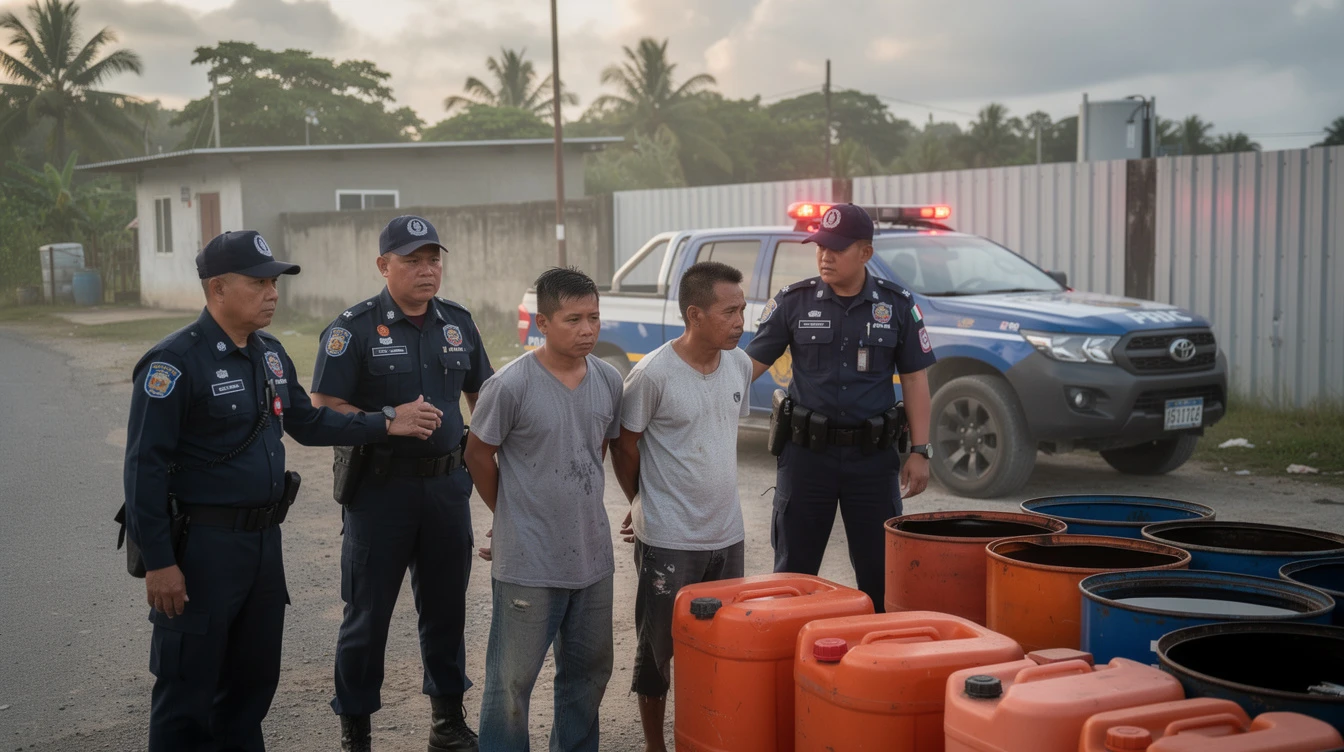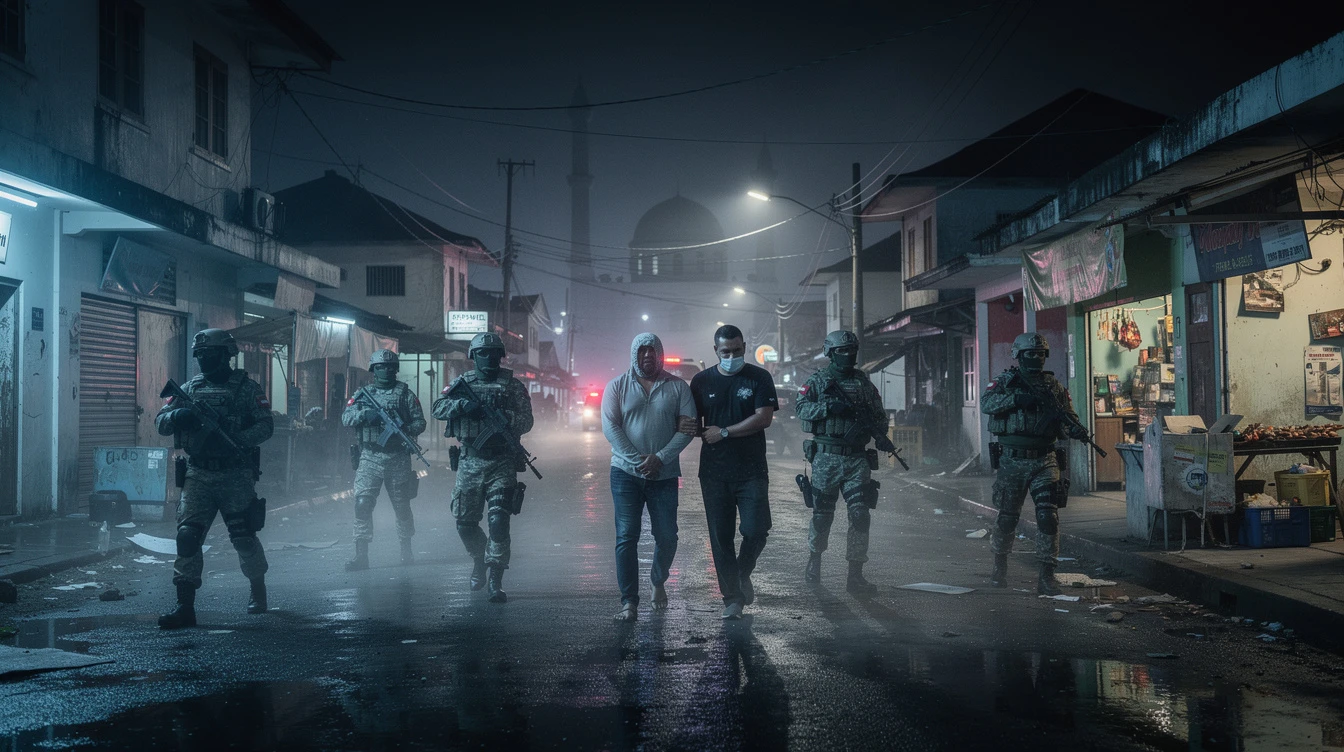
Philippine security forces captured two foreign nationals from Tajikistan during a counterterrorism operation in Marawi City, Lanao del Sur, the Philippine National Police (PNP) confirmed. The joint operation, conducted in Barangay Lomidong, underscores the persistent threat of foreign terrorist fighters in the country.
The two individuals, both 22-year-old males, were apprehended in a recent raid by combined elements of the PNP and the Armed Forces of the Philippines (AFP). According to PNP spokesperson, the operation was part of intensified efforts to dismantle terrorist networks in the region.
Marawi City remains a focal point for counterterrorism activities following the 2017 siege by ISIS-aligned Maute Group militants. The capture of foreign nationals highlights concerns about the potential for international terrorist links to local extremist cells in Mindanao.
Authorities have not yet released the identities of the captured Tajiks or detailed the specific charges they will face. An investigation is ongoing to determine their alleged affiliations, activities, and length of stay in the Philippines.
Per a report from GMA News Online, the operation was intelligence-driven, based on information about the presence of foreign individuals with suspected terrorist ties. The area has seen increased military and police patrols since the end of the major conflict five years ago.
The successful joint operation demonstrates improved coordination between the PNP and AFP in addressing security threats. Officials stated that the suspects are now under the custody of the PNP for further questioning and legal processing.
This incident raises questions about immigration and border security protocols, particularly in conflict-prone areas. It is unclear how the individuals entered the country or what their intended mission was in Marawi.
Security analysts note that the presence of Central Asian nationals in the Philippines is relatively rare but points to the global nature of terrorist networks. The government has repeatedly warned of foreign fighters seeking to exploit local conflicts.
The National Intelligence Coordinating Agency (NICA) and other security clusters are likely reviewing the case to assess any broader network implications. The Department of Justice will handle the legal aspects of the foreigners' detention and potential prosecution.
For residents of Marawi, the operation is a reminder of the fragile peace in a city still recovering from massive destruction. Community leaders have called for continued vigilance and cooperation with authorities to prevent a resurgence of violence.
The capture is significant for Filipino readers as it directly impacts national security and the ongoing peace process in Mindanao. It tests the capability of Philippine borders and intelligence to prevent the entry of foreign extremists.
For the millions of Overseas Filipino Workers (OFWs) worldwide, especially in the Middle East and Central Asia, such incidents can influence the perception and security of Filipino communities abroad. It reinforces the need for robust international cooperation against terrorism.
Ultimately, this event underscores the Philippine government's commitment to confronting terrorism in all its forms, whether domestic or foreign-linked. It serves as a critical test for the country's counterterrorism laws and inter-agency coordination in the post-Marawi siege era.