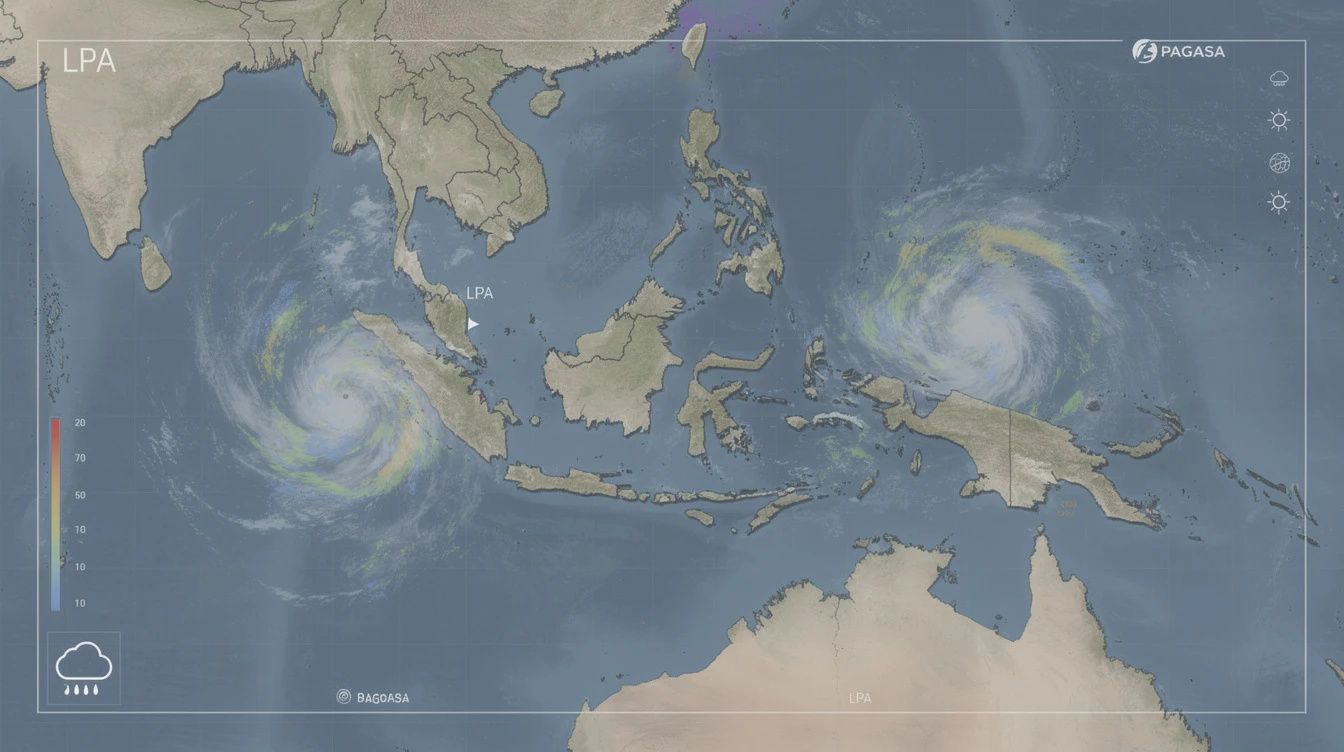
The United Nations' weather agency, the World Meteorological Organization , dropped a bombshell on April 24, 2026: El Niño conditions could develop as early as May to July . For the Philippines , this is not just another weather forecast. It's a crisis alert.
After a brief reprieve from La Niña, the Pacific is warming again. And the Philippines, sitting right in the crosshairs of this climate cycle, will feel the heat — literally. From Maguindanao to Metro Manila , the dry spell could trigger water shortages , crop failures , and rolling blackouts .
Returns
But here's the good news: you still have time to prepare. This article breaks down what's coming , who will be hit hardest , and exactly what you can do to protect your family and wallet.
El Niño is a natural climate phenomenon where sea surface temperatures in the central and eastern Pacific Ocean rise above normal. It disrupts weather patterns worldwide. For the Philippines , it means below-normal rainfall , higher temperatures , and longer dry spells .
The WMO says there's a significant probability that El Niño will emerge between May and July 2026. This follows a pattern seen in previous El Niño events like 2015-2016, which brought severe drought to parts of the country.
Filipinos
To put it simply: less rain means less water for farms, homes, and power plants. And when water runs low, everything gets more expensive .
The WMO stated that El Niño conditions "could well develop" as early as May , with impacts lasting through mid-2026 and beyond. The agency's Global Producing Centres of Long-Range Forecasts are monitoring the situation closely.
According to Olivia Le Poidevin , reporting from Geneva on April 24, the WMO emphasized that this El Niño, even if weak, will still disrupt global weather patterns . For the Philippines , which is already experiencing sunny conditions in Maguindanao with temperatures hitting 32.5°C and a heat index of 36.5°C , the warning is alarming.
The Philippines just exited a prolonged La Niña phase, which brought heavier rains. Now, the pendulum is swinging back to El Niño . This rapid shift can confuse farmers, disrupt planting seasons, and strain water reservoirs .
The National Irrigation Administration and Philippine Atmospheric, Geophysical and Astronomical Services Administration need to act fast. But individual preparedness is just as crucial.
Angat Dam , which supplies most of Metro Manila 's water, is vulnerable. During the 2019 El Niño , water levels dropped dangerously low, leading to rationing . Expect similar disruptions if El Niño arrives in May 2026.
Agriculture will suffer. Rice , corn , and vegetables require consistent rainfall. A dry spell reduces yields, driving up prices. The Department of Agriculture may need to import more rice, which could push inflation higher.
Hydroelectric power plants rely on water. Low dam levels mean reduced power generation , forcing the grid to shift to costlier fossil fuels . Expect higher Meralco rates and possible rotating brownouts .
Dr. Josefina Arceo , climate scientist at the University of the Philippines , warns: "The transition from La Niña to El Niño is notoriously tricky. The Philippines must prepare for extreme weather whiplash ."
Similarly, the International Rice Research Institute says drought-tolerant rice varieties should be prioritized. But seeds and training take time — time the country may not have if El Niño arrives in May .
- Store water: Fill clean containers now. Don't wait for shortages.
- Fix leaks: A dripping tap wastes precious water.
- Switch to efficient appliances: Use inverter air conditioners and LED lights to reduce electricity consumption.
- Plant drought-resistant crops: If you have a garden, choose camote or malunggay .
- Monitor official updates: Follow PAGASA and NDRRMC advisories.
For more tips, check out our guide ondisaster preparedness and learn about thePinoyPulse mission to keep Filipinos informed.
The WMO says it could last several months, potentially into 2027, depending on its strength. The agency will issue updates as conditions evolve.
It's too early to tell. The WMO says early indicators suggest a moderate strength , but rapid intensification is possible. The Philippines must prepare for the worst case.
It's highly likely. Angat Dam levels will be closely watched. If dry conditions persist, the Metropolitan Waterworks and Sewerage System may implement supply interruptions .
Farmers should shift to drought-resistant crops , use mulching to retain soil moisture, and seek government subsidies for irrigation. The Department of Agriculture offers support programs.
The return of El Niño in May 2026 is a stark reminder that climate change is not a distant threat. It's here, and it will affect every Filipino — from the farmer in Maguindanao to the office worker in Makati .
The WMO 's warning is clear. But with proactive steps at both the government and household levels, the Philippines can weather this dry spell.
Survive
Stay informed. Stay prepared. And let's help each other survive El Niño 2026.
For ongoing coverage, visit ourclimate change section andlearn more about us.