The Department of Science and Technology (DOST) has funded the development of a portable rapid diagnostic method for detecting heavy metals in Philippine agricultural crops. This initiative, announced by the DOST-Philippine Council for Industry, Energy and Emerging Technology Research and Development (DOST-PCIEERD), directly responds to food safety concerns and aims to protect both domestic consumers and the nation's crucial export markets.
The project seeks to create a non-destructive testing device that can provide on-site results, a significant upgrade from current lab-based methods that are slower and less accessible. This technology is critical for a country where agriculture is a primary livelihood and where recent warnings, including one from the Food and Drug Administration (FDA) about school supplies with high heavy metal levels, have heightened public awareness of contamination risks.
According to details published on the DOST website, the research and development project is a strategic move to enhance the safety and quality of locally produced fruits, vegetables, and other farm products. Heavy metals like lead, cadmium, and mercury can accumulate in soil and water, posing serious health risks when they enter the food chain.
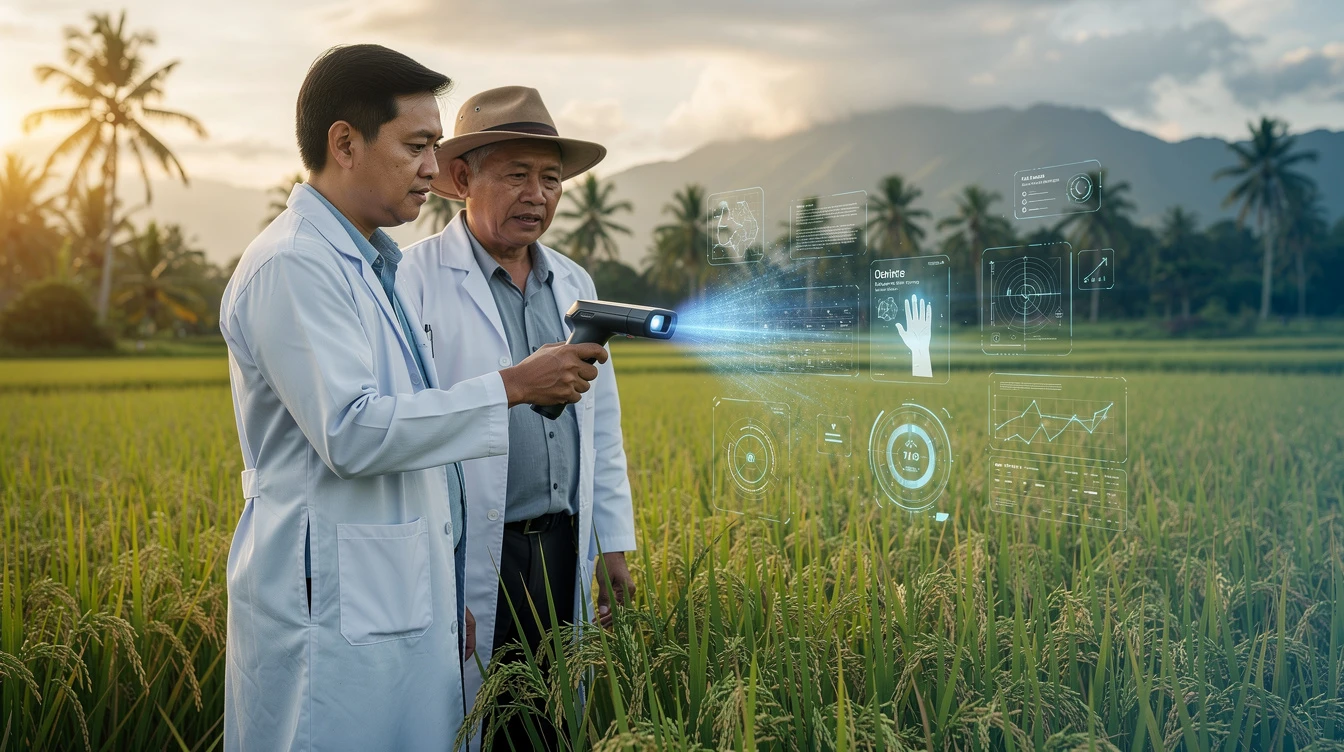
The portable diagnostic tool is designed to be used directly in farms, markets, and ports, enabling immediate screening. This rapid capability is vital for preventing contaminated batches from reaching consumers or being shipped abroad, where they could damage the reputation of Philippine exports such as bananas, pineapples, and mangoes.
Per the DOST announcement, the project underscores the government's commitment to leveraging science for public welfare and economic protection. The development aligns with global food safety standards, which are increasingly stringent for imported goods. Filipino farmers and exporters could use the device to self-regulate and certify their products, gaining a competitive edge.
The FDA's recent advisory, which flagged certain school supplies for containing dangerous levels of heavy metals, illustrates the pervasive nature of such contaminants. While that warning focused on consumer goods, it highlights a broader regulatory environment where vigilance over hazardous materials is paramount, extending logically to the food Filipinos consume daily.
Funding this diagnostic method represents a proactive step in preventive health and trade security. Early detection at the source can help authorities and producers identify polluted areas, trace contamination origins, and implement corrective measures before public health is compromised.
For the average Filipino family, this development promises greater confidence in the safety of locally bought rice, vegetables, and fruits. It also supports the livelihoods of millions of farmers by helping ensure their harvests meet safety benchmarks, protecting them from catastrophic losses due to rejected shipments or product recalls.
Ultimately, the DOST-backed portable detector is more than a scientific tool; it is a safeguard for the Philippine dinner table and a shield for the agricultural economy. Its successful deployment could set a new standard for food safety monitoring in the country, directly impacting public health and the stability of a key economic sector.