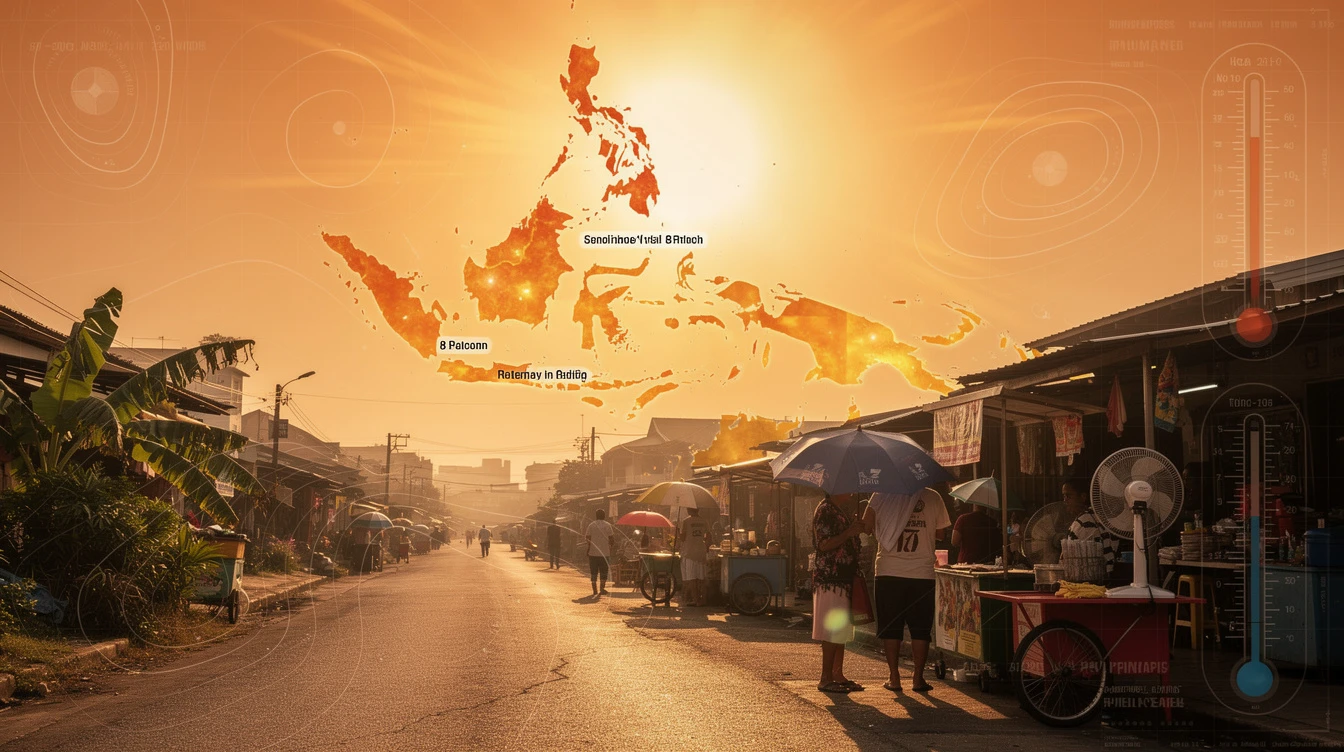
MANILA, Philippines — The Philippine Atmospheric, Geophysical and Astronomical Services Administration (PAGASA) has issued a critical warning: eight areas across the country will experience a danger level heat index on Wednesday, April 29, 2026. This heat wave poses serious health risks, including heat cramps, exhaustion, and even life-threatening heat stroke.
The highest forecasted heat index is expected in Sangley Point, Cavite, where temperatures could soar to a blistering 43°C. Other areas will also face extreme heat, prompting authorities to urge the public to stay vigilant.
What Is the Heat Index and Why Does 'Danger Level' Matter?
The heat index measures what the temperaturefeels like when relative humidity is factored in. It is a more accurate gauge of thermal stress on the human body than air temperature alone. PAGASA uses an effect-based classification system to rank heat index levels.
A danger level heat index ranges from 42°C to 51°C. According to PAGASA, prolonged exposure under these conditions can lead to heat cramps, heat exhaustion, and potentially fatal heat stroke. The agency classifies the forecasted 41°C as "extreme caution," but Sangley Point's 43°C falls squarely into the danger zone.
8 Areas Under the Heat Index Warning on April 29, 2026
PAGASA identified the following areas where the heat index will reach life-threatening levels:
- Sangley Point, Cavite — 43°C
- NAIA, Pasay City — 41°C
- Science Garden, Quezon City — 41°C
- Clark Air Base, Pampanga — 41°C
- Iba, Zambales — 41°C
- Baler, Aurora — 41°C
- Legazpi City, Albay — 41°C
- Catarman, Northern Samar — 41°C
These locations span Luzon and the Visayas, impacting millions of Filipinos. The heat index values are based on PAGASA's latest weather bulletins and social media advisories.
Why Is the Heat Index So High Right Now?
The Philippines is currently in the peak of the dry season, typically from March to May. This period is characterized by minimal rainfall, strong sunlight, and high humidity. The El Niño phenomenon has further intensified heat waves across the country in 2026.
Meteorologists explain that the combination of direct overhead sun and moist air from surrounding seas creates a "feels-like" temperature much higher than actual air temperature. This is why even areas with 36°C air temperature can feel like 43°C.
Health Risks and Precautions: How Filipinos Can Stay Safe
There is no need to wait for a heat stroke to hit before taking action. Health experts, including those from the Department of Health (DOH), recommend these steps to avoid heat-related illnesses:
- Stay hydrated — drink plenty of water, even if you don't feel thirsty.
- Avoid peak sun hours — stay indoors from 10:00 AM to 4:00 PM.
- Wear lightweight, light-colored clothing and a wide-brimmed hat when going out.
- Never leave children or pets in parked cars — temperatures inside can rise dangerously fast.
- Take frequent breaks if working outdoors, preferably in the shade or an air-conditioned area.
PAGASA also reminds the public to monitor heat index forecasts regularly and follow advisories from local government units.
Real-World Impact: What This Means for Students and Workers
The extreme heat has already prompted some local governments to suspend classes in public schools. In previous years, heat index levels above 42°C led to the cancellation of afternoon sessions to protect students from heat exhaustion.
Outdoor workers, including construction workers, farmers, and street vendors, are among the most vulnerable. The Occupational Safety and Health Center (OSHC) advises employers to allow rest breaks, provide drinking water, and adjust work schedules to cooler hours.
Expert Opinion: A Warning Sign for Climate Change
Climate scientists note that the frequency of extreme heat events in the Philippines has been rising. Dr. Anthony Cruz, a climatologist at the University of the Philippines, said, "We are seeing more days with danger-level heat indices. This is consistent with global warming trends, and we must adapt."
The Philippine Climate Change Commission has called for long-term measures, including reforestation and urban greening, to mitigate the urban heat island effect in Metro Manila.
Conclusion and Future Outlook
As the Philippines braces for more scorching days ahead, the April 29 heat index warning serves as a stark reminder of the new normal. Filipinos must prioritize health by staying informed, hydrated, and cool. While the heat will subside with the arrival of the rainy season in June, the trend of extreme temperatures underscores the urgency of climate resilience.