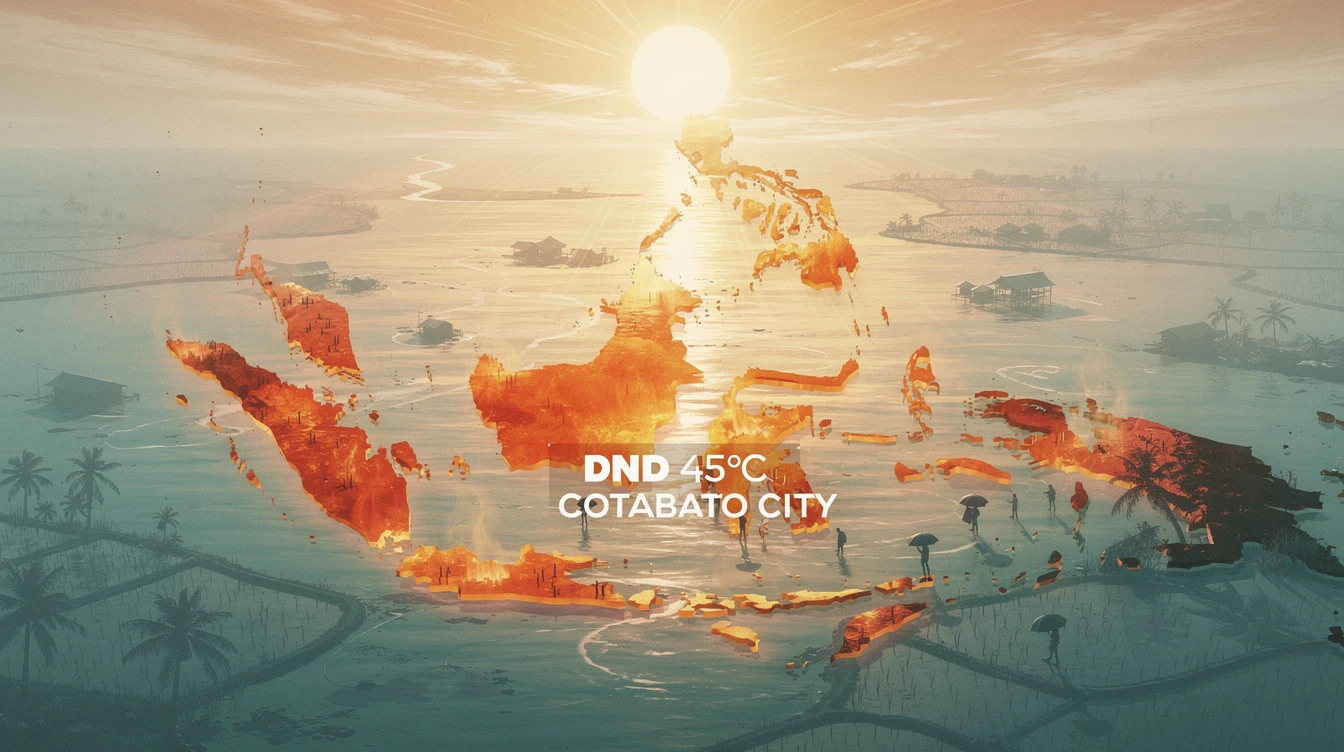
The Philippine Atmospheric, Geophysical and Astronomical Services Administration recorded a dangerous heat index of 45 degrees Celsius in Cotabato City on Tuesday, April 14. This placed the Bangsamoro regional capital as the sole location in the country to reach the "danger level" category, where heat-related illnesses like cramps and exhaustion become likely.
PAGASA's 5 p.m. bulletin confirmed the extreme reading, which factors in both air temperature and humidity. The state weather bureau has consistently warned that indices between 42°C and 51°C pose significant health risks. This is not an isolated event for Cotabato, which has repeatedly breached this threshold during the current dry season.
"The public is advised to limit time spent outdoors, stay hydrated, and schedule strenuous activities during cooler parts of the day," a PAGASA forecaster stated in the advisory. The agency emphasized that direct sunlight can make the perceived temperature even higher than the reported index.
Cotabato City's geographical location in the low-lying basin of Mindanao makes it particularly vulnerable to heat trapping. Urban areas with less vegetation and concrete structures often experience higher temperatures, a phenomenon known as the urban heat island effect. This exacerbates the already challenging conditions for residents.
The extreme heat has direct implications for public health and labor across the Philippines. The Department of Health has repeatedly cautioned against heatstroke, which can be fatal. Outdoor workers, including those in construction, agriculture, and vending, are at heightened risk during these prolonged periods of intense heat.
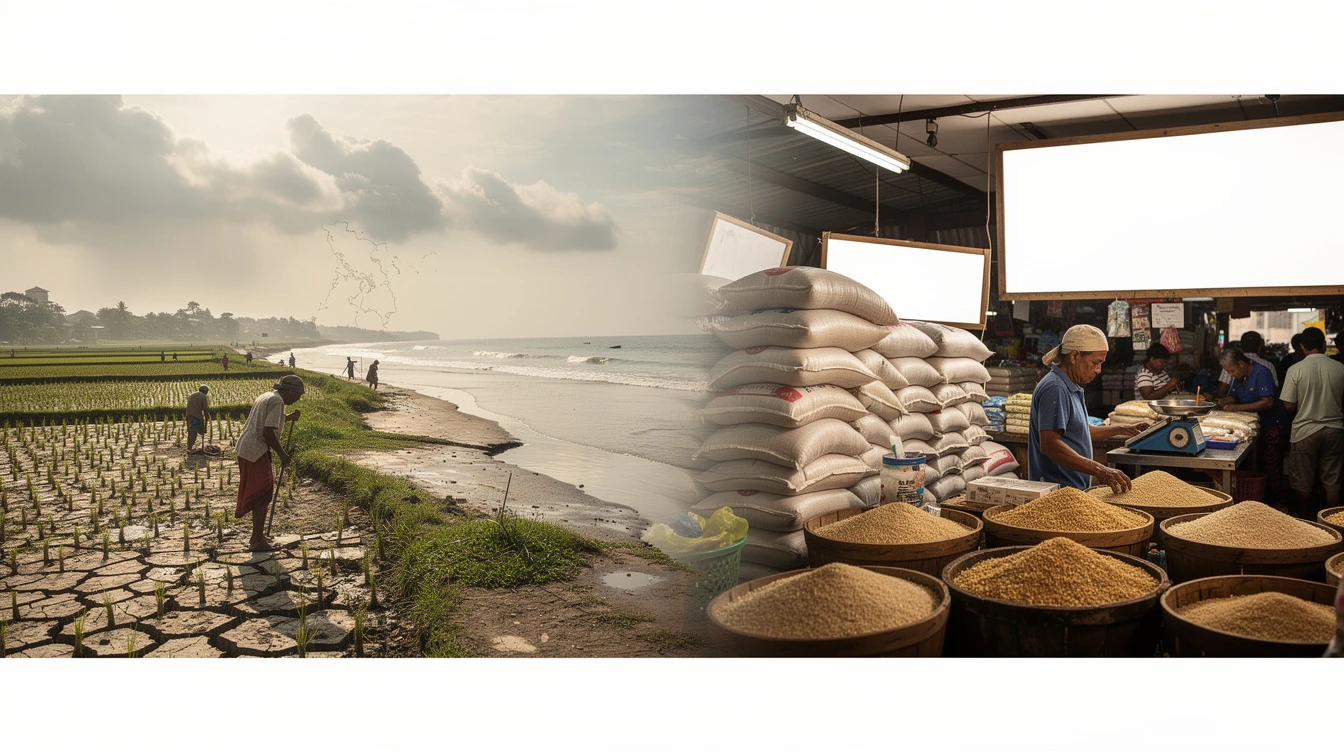
For the millions of Filipino families, this translates to increased electricity costs from constant fan or air conditioner use. It also threatens agricultural yields and can disrupt school schedules, as some local governments suspend in-person classes during peak heat. The economic burden on daily wage earners, who must choose between health and income, is severe.
While Cotabato was the only area in the "danger" category, many other parts of the country recorded "extreme caution" levels. PAGASA forecasts that the hot and dry weather will continue in the coming weeks. The public is urged to monitor official announcements and heed local government unit directives regarding heat mitigation measures.
The recurring dangerous heat index in Cotabato City is a stark reminder of the escalating climate challenges facing the Philippines. For Filipino readers, this underscores a nationwide vulnerability to extreme weather. It impacts OFW families worried about elderly relatives and children back home, strains the public health system, and reduces productivity. This persistent heat is not just a seasonal discomfort but a clear threat to health, livelihood, and economic stability, demanding coordinated national and community-level adaptation strategies.