Another Hazing Storm Hits the Philippine National Police Academy
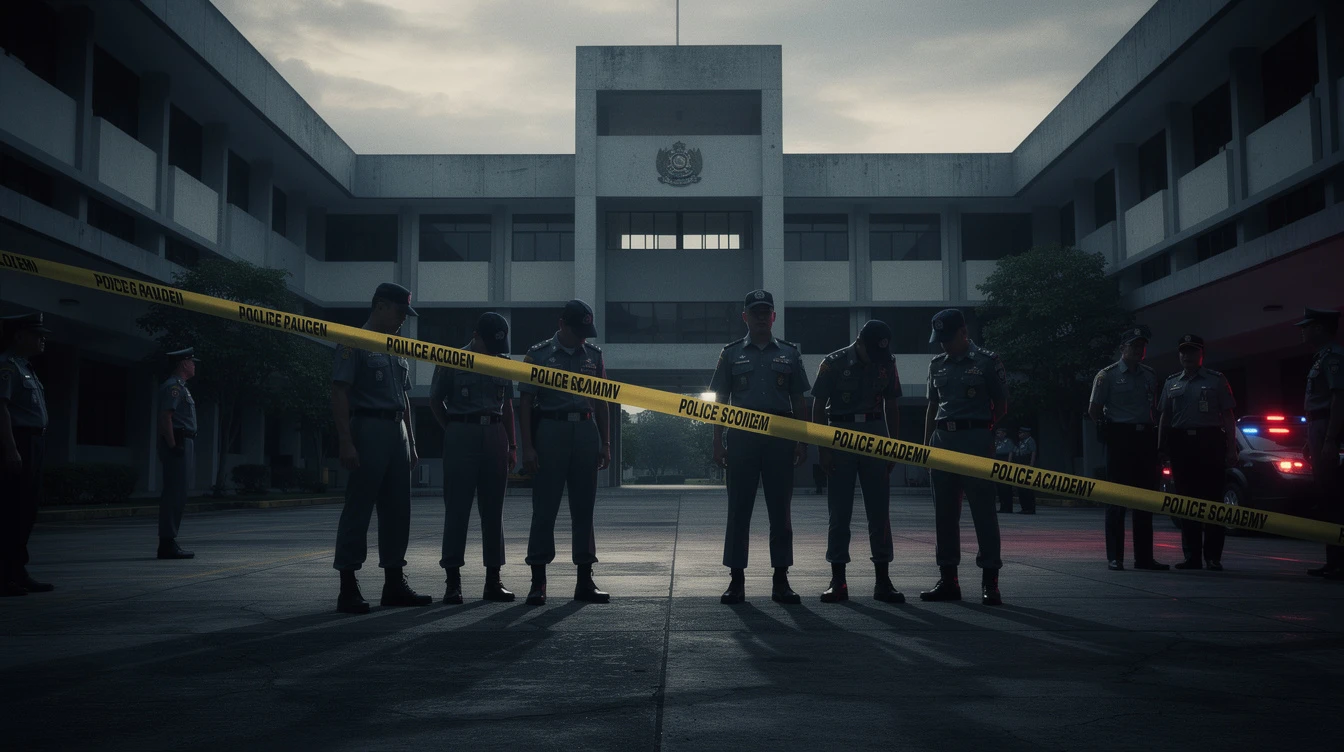
A cloud of scandal hangs over the Philippine National Police Academy (PNPA). Authorities are investigating a severe alleged hazing incident reported on Good Friday.
This case threatens to undermine public trust in the institution tasked with producing the nation's future police leaders.
It also serves as a critical test for the country's strengthened anti-hazing laws.
The Alleged Good Friday Incident: What We Know
The Philippine National Police (PNP) confirmed a disturbing event inside Barracks 2 of the PNPA on April 3.
Three senior cadets were taken into custody by the Criminal Investigation and Detection Group (CIDG).
They are accused of hazing over 20 fourth-class cadets, or "plebes." A total of 22 underclassmen reportedly sustained injuries.
The PNPA stated it has taken steps to address the incident and ensure the welfare of the affected cadets.
Expanding Probe: Officials Under Scrutiny
The investigation has widened significantly. Beyond the arrested cadets, nine PNPA officials are now under investigation.
They face scrutiny for alleged lapses in reporting the incident promptly and thoroughly.
This raises serious questions about accountability and oversight within the academy's chain of command.
A Recurring Nightmare for Philippine Institutions
This is not an isolated case. Hazing remains a persistent plague in Philippine military and police training institutions.
The tragedy of Cadet 4th Class Elrey Armando Dormitorio in 2019, who died from hazing at the Philippine Military Academy, is a grim reminder.
His death spurred the passage of the Republic Act 11053, or the Anti-Hazing Act of 2018.
The law imposes harsher penalties, including life imprisonment for hazing that results in death, rape, sodomy, or mutilation.
The PNPA as a "Test Case" for the Law
Senator Panfilo Lacson, a former PNP chief, has previously called PNPA hazing scandals a "test case" for the new anti-hazing law.
The current investigation will demonstrate whether the law has real teeth. It will show if the system can hold its own future officers accountable.
PNP Chief General Jose Melencio Nartatez Jr. has ordered the removal of officers in command of the involved cadets.
This signals a top-down approach to addressing command responsibility.
Official Responses and the Path Forward
The PNP has promised a "thorough, impartial, and evidence-based investigation." The CIDG's involvement underscores the seriousness.
The PNPA maintains that those responsible are in custody to support the probe.
However, the alleged failure of nine officials to report the incident properly points to a potential culture of silence or tolerance.
Eradicating hazing requires changing institutional culture, not just punishing individuals after the fact.
The Real-World Impact on Trust and Service
These incidents damage the credibility of the entire Philippine National Police. The PNPA is the premier source of PNP officers.
If future leaders are molded in an environment of brutality, what does that say about the police service they will lead?
Public trust, essential for effective policing, is eroded with every such report. Families may think twice about sending their children to these academies.
The psychological and physical trauma on victims can have lifelong consequences, affecting their service.
Conclusion: A Crossroads for Discipline and Reform
The Good Friday hazing allegation represents a critical crossroads for the PNPA and the PNP. The world is watching how they handle this scandal.
A swift, transparent, and uncompromising investigation is the bare minimum. True reform demands a cultural revolution within the academy.
Leadership must foster discipline built on respect, professionalism, and camaraderie—not fear and violence.
The future integrity of the Philippine National Police may depend on the outcome of this case.
What happened at the PNPA?
Authorities are investigating an alleged hazing incident on Good Friday, April 3, where over 20 fourth-class cadets were reportedly injured by three senior cadets.
Who is being held accountable?
Three cadets are in CIDG custody. Additionally, nine PNPA officials are under probe for potentially failing to report the incident properly.
Why is this case significant?
It tests the enforcement of the Philippines' strict Anti-Hazing Law and exposes deep-seated cultural problems within a premier police training institution.
What has the PNP leadership said?
PNP Chief Gen. Nartatez Jr. has ordered a thorough investigation and the removal of officers in command, emphasizing zero tolerance.