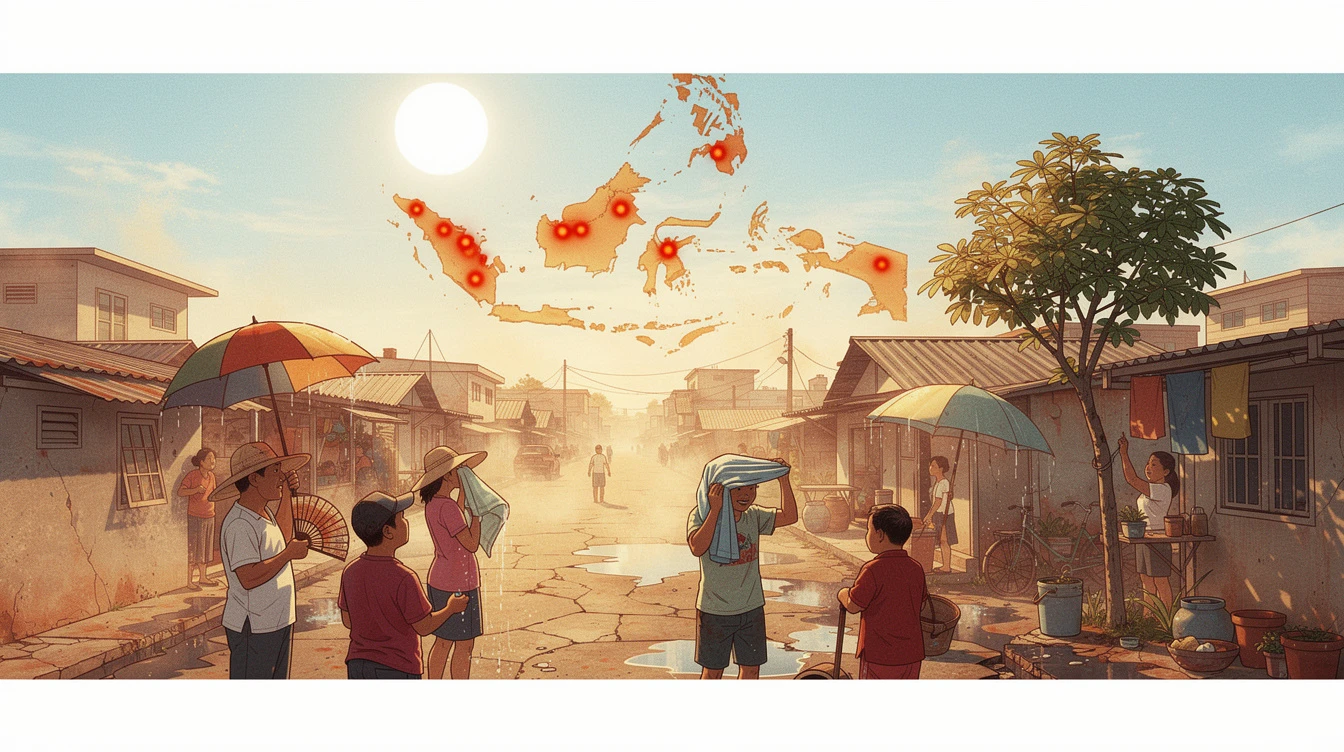
MANILA, Philippines — The summer heat is tightening its grip on the Philippines, with 13 areas expected to experience a "danger level" heat index on Saturday, May 2, 2026. The state weather bureau PAGASA issued the warning as temperatures are forecast to reach between 42°C and 51°C, posing serious health risks to millions of Filipinos.
This comes as the country endures one of its hottest dry seasons on record. For many, the scorching heat is not just uncomfortable—it can be life-threatening.
"Prolonged exposure to these temperatures can lead to heat cramps, heat exhaustion, and even heat stroke," PAGASA said in its latest heat index bulletin.
Which Areas Are Under Danger Level?
PAGASA placed the following 13 areas under the "danger" classification for Saturday, May 2:
Sangley Point, Cavite — expected to reach 44°C, the highest on the list
Aparri, Cagayan — under danger level
Metro Manila — under extreme caution at 40°C, specifically at Ninoy Aquino International Airport and PAGASA Science Garden
Benguet — lowest heat index predicted
The full list includes areas across Luzon, Visayas, and Mindanao. PAGASA's heat index classification categorizes temperatures from 42°C to 51°C as "danger," where heat cramps and exhaustion are likely. Above 52°C falls under "extreme danger."
What the Danger Level Heat Index Means for Filipinos
When the heat index reaches 42°C to 51°C, the human body struggles to cool itself. Sweating becomes less effective, and internal temperature can rise to dangerous levels.
Health risks include:
• Heat cramps — painful muscle spasms
• Heat exhaustion — heavy sweating, weakness, dizziness
• Heat stroke — a medical emergency with body temperature above 40°C, confusion, and possible loss of consciousness
Children, elderly, outdoor workers, and individuals with pre-existing conditions are most vulnerable.
Metro Manila Under Extreme Caution
The capital region is under extreme caution with a heat index of 40°C. While not yet in the "danger" category, it still poses risks.
"Even at extreme caution levels, people should avoid prolonged sun exposure, especially between 10 a.m. and 4 p.m.", health experts advise. Schools, offices, and public transport become challenging environments.
In April, PAGASA warned of "extreme caution" heat indices across the country, calling the heat "unusually intense" for this time of year.
How to Protect Yourself During the Heatwave
Filipinos are urged to take the following steps to stay safe:
Stay hydrated — drink water even if you don't feel thirsty. Avoid sugary or caffeinated drinks.
Wear light clothing — choose loose, light-colored fabrics.
Limit outdoor activities — reschedule strenuous work to early morning or late evening.
Use shades — umbrellas, hats, and sunglasses reduce direct sun exposure.
Check on vulnerable groups — elderly, infants, and those with chronic illnesses need extra care.
Never leave children or pets in parked cars — temperatures can rise lethally in minutes.
PAGASA also advises monitoring official heat index updates daily.
Real-World Impact: Daily Life Disrupted
In areas like Cavite and Cagayan, outdoor workers such as construction laborers and farmers face the highest risk. Many are forced to work despite the heat to earn a living.
"We rest under the shade when it gets too hot, but sometimes the work must continue," shared a tricycle driver from Sangley Point.
Schools in some provinces have adjusted class schedules to morning or online to protect students. Local governments are opening cooling centers in barangays.
The Philippine economy, heavily reliant on agriculture and construction, faces productivity losses during extreme heat events.
Expert Insights on Climate Trends
Meteorologists link the intensifying heat to the El Niño phenomenon, which has been strengthening dry conditions in the Pacific.
"The heat index is influenced by both air temperature and humidity. High humidity makes the heat feel even more unbearable," explained a PAGASA forecaster.
Long-term climate change is expected to make such extreme heat events more frequent and intense in the Philippines.
Future Outlook: What to Expect
With the dry season expected to continue until June, more "danger level" heat index days are likely.PAGASA will continue issuing bulletins to help communities prepare.
Filipinos are encouraged to stay informed through official PAGASA channels and local government announcements. Adapting daily routines to the heat is essential for survival.
"This is not just a weather advisory—it's a public health emergency," urged health officials.