A young life, just beginning her journey into motherhood, ended in heartbreaking isolation. An 18-year-old woman died after giving birth alone in a boarding house comfort room in Cagayan de Oro City. Her newborn survived.
This tragedy, reported by GMA News and the Daily Tribune, raises urgent questions about maternal health access and the hidden struggles of young, single mothers in the Philippines.
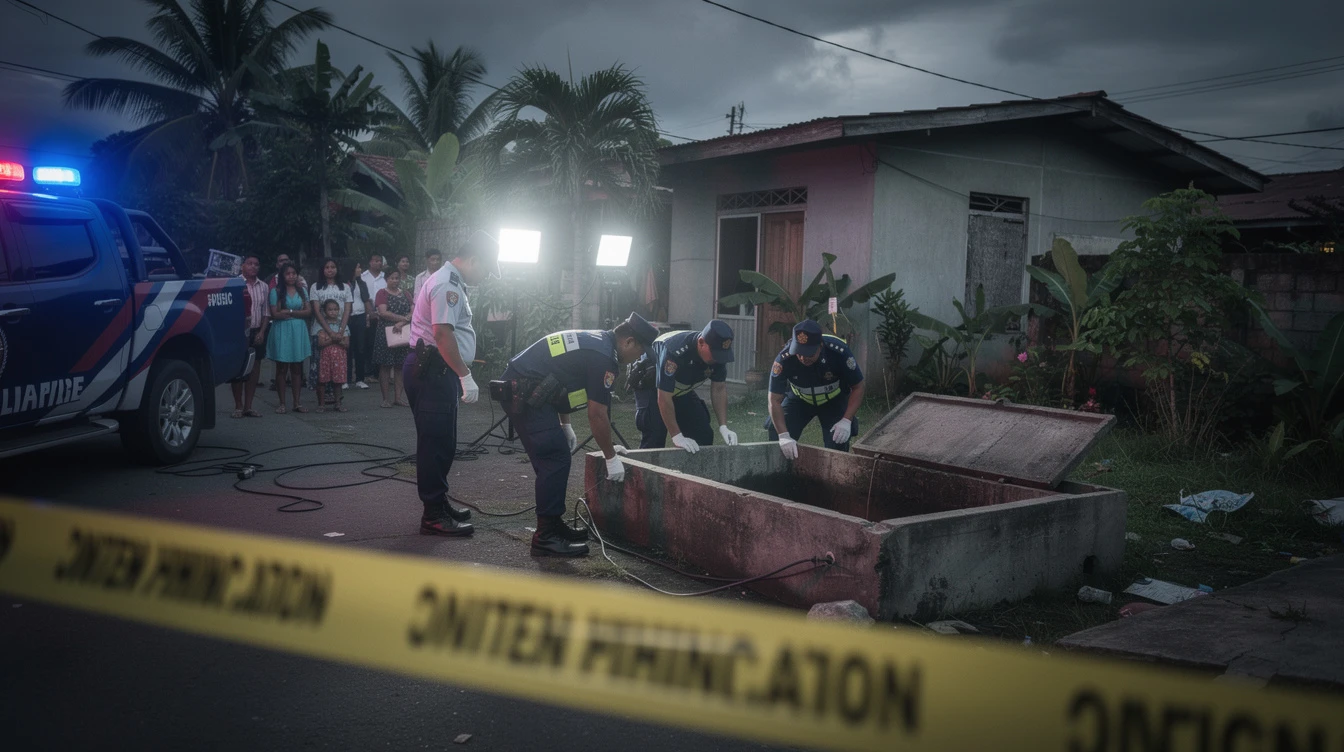
Police investigation revealed a disturbing scene. The victim, identified only as an 18-year-old woman, endured labor entirely by herself in her rented room. She also cut her own umbilical cord.
According to reports, the act of severing the cord herself may have contributed to her death. A knife and blood were found at the scene, according to a report from The Mindanao Today. The baby was found alive, already separated from the umbilical cord.
The Hard Facts of the Case: Labor, Isolation, and a Fatal Decision
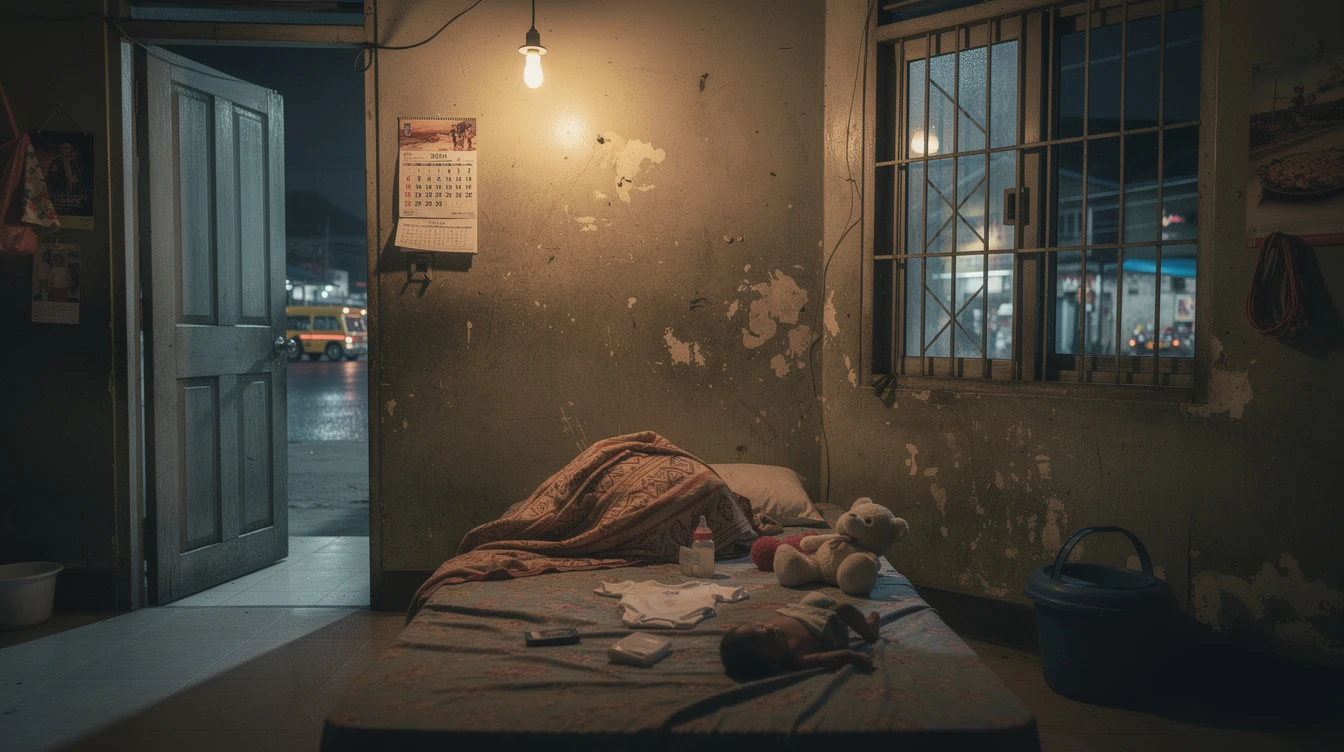
The details paint a picture of desperate solitude. The young mother gave birth in the comfort room of her boarding house, with no one to assist her.
What Happened That Day?
Police reports state the victim likely gave birth alone in her room. The presence of a knife indicates she attempted to perform the delivery by herself, which is extremely dangerous.
Cutting the umbilical cord with an unsterilized blade, like a kitchen knife, carries massive risks. It can lead to severe hemorrhage or fatal infection, especially without proper medical care.
The Survival of the Newborn
Remarkably, the baby survived. The child was found alive and immediately taken to a hospital for medical evaluation. The infant's condition was reported stable.
This survival offers a sliver of hope amidst the tragedy. It also highlights how close the mother was to a positive outcome, if only she had access to help.
Why Did She Give Birth Alone? Unpacking the Possible Reasons
The question on everyone's mind is why? Why would an 18-year-old choose to face childbirth completely alone? Several factors likely converged.
Fear and Shame in a Conservative Society
In many parts of the Philippines, teenage pregnancy is still heavily stigmatized. A young, unwed mother may feel intense shame.
She might have hidden her pregnancy from family, friends, and even the boarding house owner out of fear of judgment or rejection. This forced isolation made her vulnerable.
Lack of Access to Prenatal Care
Many young mothers, especially those in boarding houses away from home, lack financial resources. They may skip prenatal checkups.
Without seeing a doctor, a young mother may not understand the signs of labor or the risks of an unassisted delivery. She may not even know where to go for emergency help.
The Danger of Unassisted Home Births
In rural areas of the Philippines, including parts of Mindanao, home births are common. But unassisted delivery is a different, deadly category.
The Philippine Obstetric and Gynecological Society (POGS) strongly warns against giving birth without a trained professional. Maternal mortality rates in the Philippines remain a concern.
Real-World Impact: A Preventable Death in a Boarding House
This case is not an isolated incident. It is a symptom of larger gaps in the Philippine health system and community support networks.
Costly Medical Bills vs. Free Services
Many young women avoid hospital delivery due to the perceived high cost. However, the PhilHealth program provides coverage for normal spontaneous deliveries in accredited facilities.
Local government health centers also offer free prenatal checkups and delivery assistance. The barrier is often information, not just money.
The Role of Bhys and Landlords
In boarding houses,landlords or owners have a responsibility to know their tenants. If the owner had known the tenant was pregnant, they could have offered help or called for emergency services.
A stronger community watch system could prevent such tragedies. Check our guide onboarding house safety tips for tenants and owners in the Philippines.
Expert Opinions: What Could Have Saved Her?
Dr. Maria Salve Duque, a public health expert in Cagayan de Oro, told local media that the death was "completely preventable" with basic medical intervention.
She stated: "If the young mother had access to a barangay health worker or a call hotline, she could have been rushed to a lying-in clinic or hospital. No woman should die this way."
The Department of Health (DOH) has a maternal health program. Yet, the message has not reached the most vulnerable. The case underscores a failure of outreach.
Key Data on Teen Pregnancy and Maternal Mortality in the Philippines
The numbers show a grim picture:
- The Philippine Statistics Authority (PSA) reports that teenage pregnancy rates remain "alarming.
- Data from the World Bank shows the maternal mortality ratio in the Philippines was around 78 per 100,000 live births in 2020.
- While decreasing, the ratio is still high compared to other ASEAN nations like Singapore or Thailand.
These statistics are not just numbers. They represent real women like the 18-year-old in CDO who died at the moment she should have been celebrating new life.
Frequently Asked Questions (FAQ)
What is the main cause of death in this case?
Police and reports indicate the cause was likely severe hemorrhage (bleeding) resulting from cutting her own umbilical cord with a knife during an unassisted delivery. Infection is also a possibility.
the baby okay?
Yes, the newborn was found alive and separated from the umbilical cord. The baby was brought to a hospital for medical care and was reported to be in stable condition.
How can pregnant women in the Philippines get help?
Pregnant women can visit their local barangay health center for free prenatal checkups. They can also call the DOH national hotline (1555) for emergency assistance or information on the nearest hospital or lying-in clinic.
What are the penalties for leaving a pregnant tenant alone?
There are no specific penalties for landlords in this scenario, unless neglect can be proven. However, boarding house owners have a moral responsibility to check on tenants, especially if they show signs of distress or pregnancy.
Conclusion: We Must Do Better
The death of the 18-year-old mother in Cagayan de Oro is a tragedy that should never have happened. It is a stark reminder that maternal health is not just a medical issue, but a social one.
We need to break the stigma around teenage pregnancy. We need to ensure every woman knows where to go for help, especially those living alone and far from family.
The future outlook must include better community-based education. The DOH and local governments should strengthen outreach programs to boarding houses and informal settlements.
Every pregnant woman in the Philippines deserves a safe delivery. Let this heartbreaking story be a catalyst for change, not just a piece of news. Read our article onhow community health workers save lives in rural Philippines.
Learn more aboutPinoyPulse's mission to report on critical social issues and our commitment to factual journalism. For more news and features, visit ourHealth category.