Taal Volcano in Batangas has been making headlines again. In the past few months, the volcano has exhibited several minor phreatomagmatic eruptions. These events have caught the attention of volcanologists and residents alike.
The most recent activity occurred on January 9, 2026, at the Main Crater. It lasted from 7:11 p.m. to 7:15 p.m. State volcanologists observed and promptly reported the event.
Prior to that, a time-lapse footage captured a similar eruption on December 26, 2025, at 4:36 p.m. Another event was recorded on October 25, 2025, at 5:31 p.m. These were also minor phreatomagmatic eruptions.
If you live near Taal or plan to visit, understanding these eruptions is crucial. This article breaks down the facts, risks, and what authorities are doing.
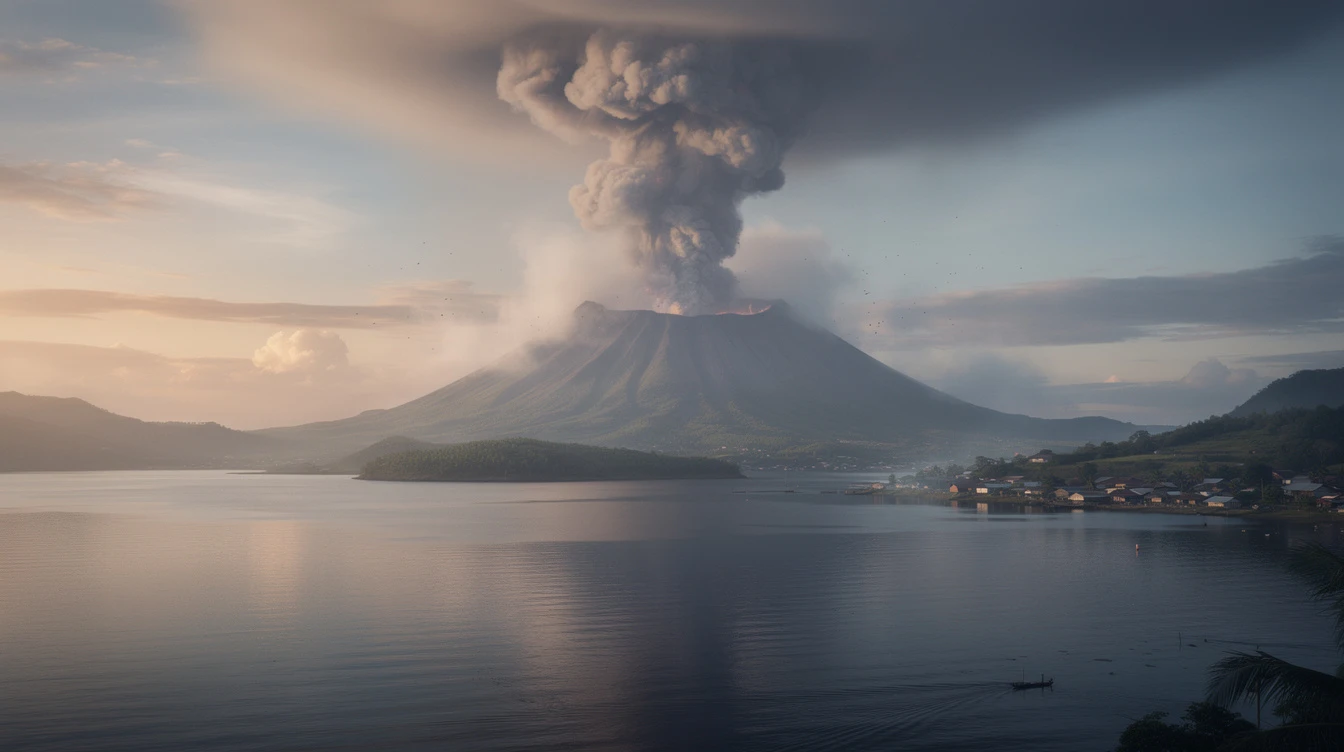
Caption: Time-lapse footage shows the minor phreatomagmatic eruption of Taal Volcano on October 25, 2025. Source: YouTube
What Is a Phreatomagmatic Eruption?
To understand the recent events, you need to know what a phreatomagmatic eruption is. It occurs when magma comes into contact with water. This can be groundwater, surface water, or even rainwater.
The interaction causes the water to flash into steam. The rapid expansion then fragments the magma into fine ash. This produces violent explosions, though they can be minor in scale.
According to the Philippine Institute of Volcanology and Seismology (PHIVOLCS), these eruptions are common at Taal. The volcano sits within a caldera lake, making water contact likely. So, these events are part of Taal’s normal behavior.
However, even minor eruptions can be hazardous. Ashfall can affect nearby towns. Toxic gases can also be released. That is why constant monitoring is essential.
The Four Recent Events at a Glance
Let us look at the four recorded minor phreatomagmatic eruptions at Taal Volcano. Each event provides valuable data for scientists and the public.
1. October 25, 2025 (5:31 p.m.)
Time-lapse footage from October 25 captures one of the earliest recent events. The eruption was minor but visible enough to be recorded. It served as a reminder that Taal remains restless.
2. December 26, 2025 (4:36 p.m.)
Another minor phreatomagmatic eruption occurred on December 26. Again, time-lapse footage documented the event. It showed a brief but notable burst of ash and steam.
3. January 9, 2026 (7:11 p.m. to 7:15 p.m.)
The most recent eruption happened on January 9, 2026. State volcanologists reported it on social media. They observed the event at the Main Crater. The eruption lasted only four minutes.
These four events show a pattern of low-level activity.PHIVOLCS continues to monitor the volcano closely. They use seismic networks and visual observation to track changes.
Expert Insights and PHIVOLCS Response
State volcanologists have been quick to respond to these events. They issue regular updates through official channels.PHIVOLCS maintains that the current alert level remains at Alert Level 1. This means there is low-level unrest.
Under Alert Level 1, the public is advised to avoid entry into the Permanent Danger Zone (PDZ). The PDZ covers the entire Taal Volcano Island. Additionally, sudden steam-driven or phreatic explosions may occur.
Experts also warn of potential ashfall. Communities on the western and northern flanks should be prepared. On April 10, 2025, a minor eruption generated a 200-meter plume. It drifted toward the west and north.
Dr. Teresito Bacolcol,PHIVOLCS Director, has emphasized that these eruptions are normal. However, he urges the public to stay informed and follow safety protocols. Continuous monitoring is key to ensuring community safety.
Impact on Local Communities
Residents near Taal Volcano are no strangers to its restlessness. Towns like Agoncillo, Laurel, and Talisay often experience ashfall. During minor eruptions, ash can disrupt daily life.
Farmers are particularly affected. Ash can damage crops and livestock. Water sources may also become contaminated. Local governments usually provide face masks and other aid.
Tourists are also impacted. Taal is a popular destination for hiking and sightseeing. During heightened activity, tourism is restricted. The Taal Volcano Protected Landscape is off-limits to visitors.
Long-time residents say they have learned to adapt. They monitor PHIVOLCS alerts closely. Emergency drills are held regularly. Community preparedness has improved over the years.
Still, the economic impact is real. A major eruption could destroy homes and livelihoods. That is why even minor events are taken seriously.
Safety Tips and Precautions
If you live or plan to travel near Taal, here are some important reminders:
- Always check PHIVOLCS updates before visiting the area.
- Avoid the Permanent Danger Zone around Taal Volcano Island.
- Prepare a go-bag with masks, water, and first aid supplies.
- Stay indoors if ashfall occurs. Wear an N95 mask to protect your lungs.
- Follow instructions from local authorities and PHIVOLCS.
Remember, Taal’s eruptions are unpredictable. Even minor events can escalate. Staying informed is your best defense.
Frequently Asked Questions
What does a phreatomagmatic eruption mean?
It is an explosion caused by magma interacting with water. This interaction produces steam and ash. At Taal, it is common due to the crater lake.
Taal Volcano dangerous right now?
Currently,PHIVOLCS has Alert Level 1 in place. This indicates low-level unrest. The public should avoid the Permanent Danger Zone and stay updated.
Can I visit Taal Volcano today?
No, the Taal Volcano Island is off-limits to tourists. This restriction is part of safety protocols. Check PHIVOLCS for updates on lifting the ban.
What should I do if there is ashfall?
Stay indoors, wear a mask, and cover your nose and mouth. Protect your eyes and skin. Avoid driving if visibility is low.
Conclusion and Future Outlook
Taal Volcano remains an active and dynamic feature of the Philippine landscape. The four minor phreatomagmatic eruptions since October 2025 serve as reminders of its ongoing unrest.
State volcanologists continue to monitor the volcano 24/7. Their timely alerts help keep communities safe. The public must remain vigilant and cooperative.
Looking ahead, experts cannot predict when the next eruption will be. However, the pattern suggests that minor events may continue. Preparedness and awareness are the best tools for resilience.
For more updates on natural events in the Philippines, visitPinoyPulse Nature & Climate. Learn about our team atPinoyPulse About. Stay safe, stay informed.