Cebu LPG Prices Surpass P1,600 Mark
Regional Impact on Consumers
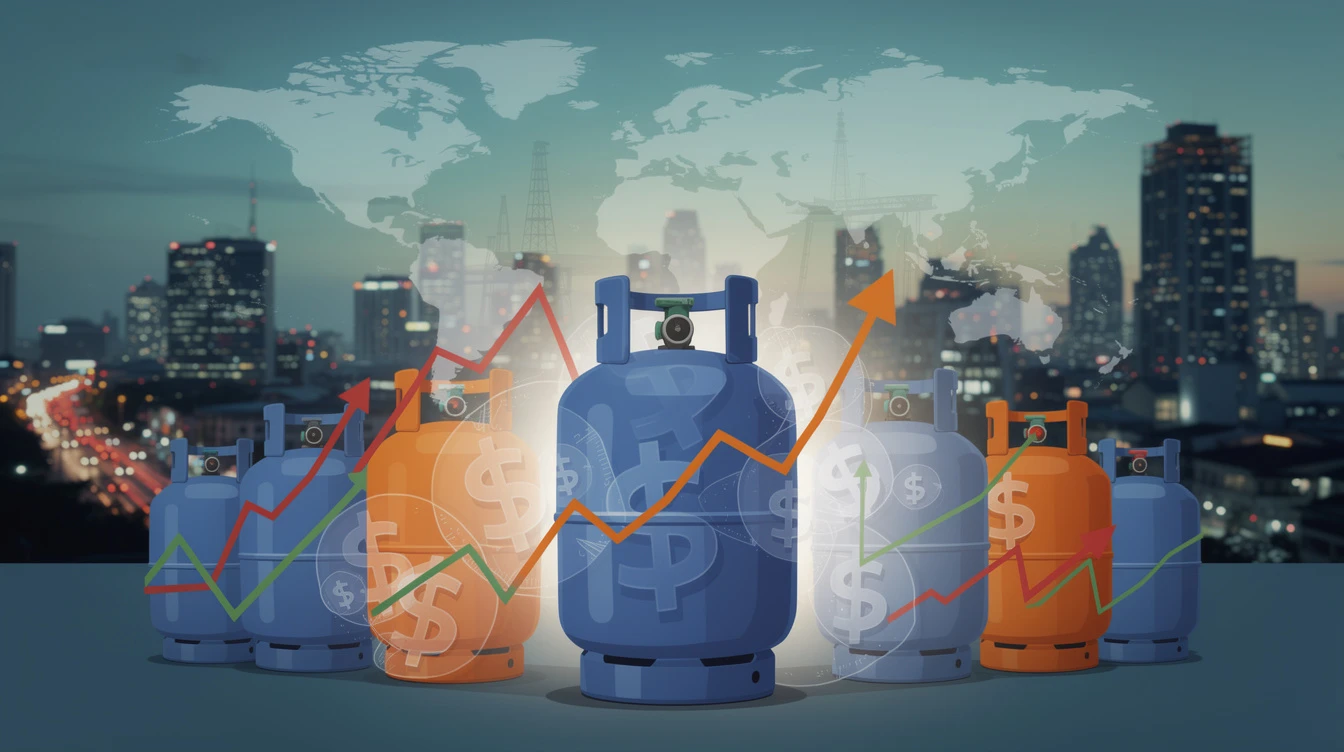
Cooking gas prices in Cebu have surged past the P1,600 mark for an 11-kg cylinder, marking a significant milestone for household budgets across the region. The price hike reflects the ongoing volatility in global energy markets that continues to strain Filipino families.
Consumers in Cebu are now facing some of the highest LPG costs in the country. The surge comes as the regional distributor implements the latest round of price adjustments.
What This Means for Households
For the average Filipino family, the increase means allocating more of their monthly income to essential cooking fuel. Many households are now reconsidering their energy consumption habits to cope with the rising costs.
Nationwide Price Hike Details
Range of Increase
The price of liquefied petroleum gas (LPG) in the domestic market will go up by P3.00 to P4.00 per kilogram. For a standard 11-kilogram cylinder, this translates to an additional P33 to P44 per tank.
Major oil companies have already announced the implementation of these adjustments. The increases vary slightly depending on the brand and region of distribution.
Metro Manila Projections
If implemented, LPG prices in Metro Manila could reach as high as ₱1,465 per 11-kg cylinder. The capital region typically sees slightly lower prices due to distribution efficiencies, but the current global pressures are narrowing the gap with provincial areas.
Global Oil Market Pressures
International Factors Driving Costs
Global oil pressures continue to drive up the cost of LPG across international markets. Supply constraints and geopolitical tensions have created persistent upward pressure on energy commodities worldwide.
The Department of Energy (DOE) has acknowledged the challenging market conditions. Officials emphasize that domestic prices closely track international benchmarks, leaving little room for local intervention.
DOE Response and Monitoring
The DOE continues to monitor the situation closely. While the agency cannot directly control market prices, it maintains oversight to ensure fair trading practices among distributors and retailers.
Impact on Filipino Households
Adapting to Rising Costs
Many Filipino families are now exploring ways to reduce their LPG consumption. Some households are turning to alternative cooking methods, while others are buying in bulk to minimize frequent purchases at higher prices.
Budget analysts warn that the continued increases could push more families toward energy poverty. The situation calls for government attention to potential support mechanisms for vulnerable sectors.
Looking Ahead
Industry observers suggest that relief may not come soon. Unless global oil markets stabilize significantly, Filipino consumers should prepare for sustained high LPG prices in the coming months.
Energy sector stakeholders are calling for diversified energy sources and improved distribution networks to buffer against future shocks.