Rice Import Outlook for the Philippines
Production Gap Drives Import Needs
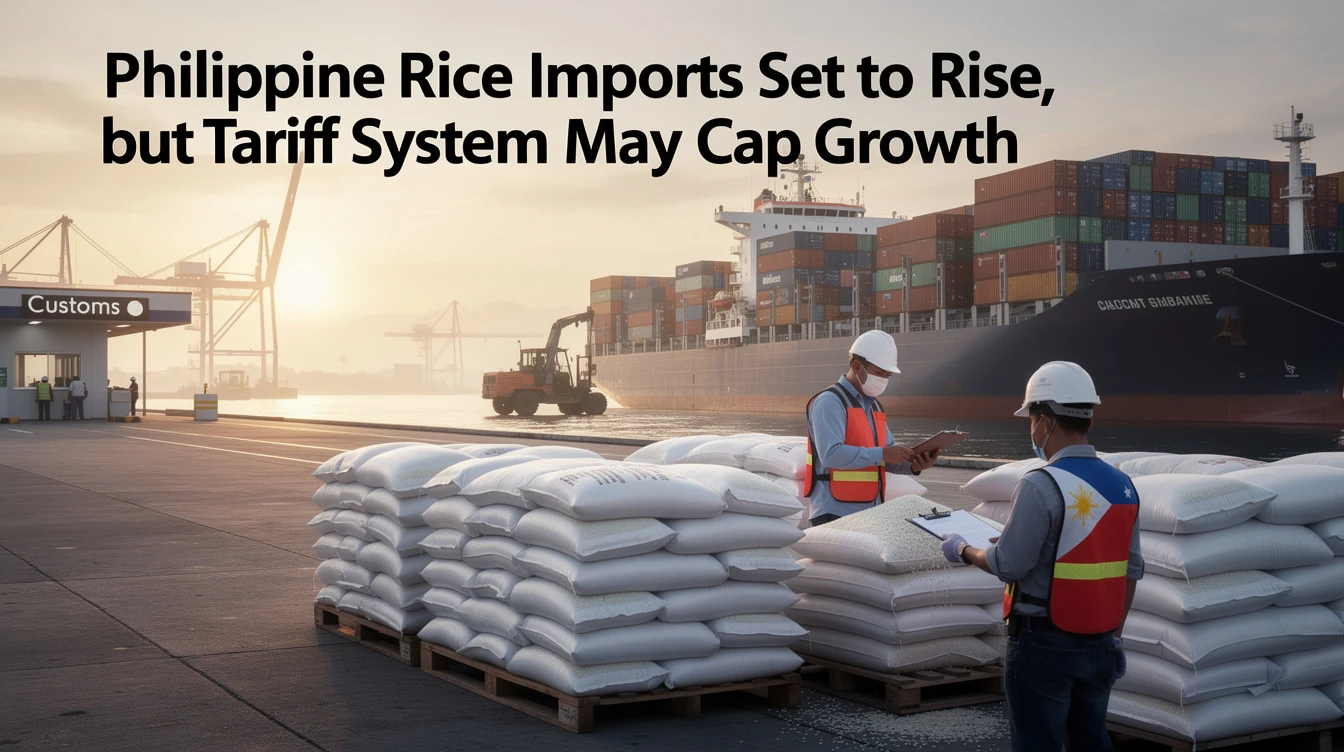
The Philippines is expected to see higher rice imports this year as domestic production continues to lag behind growing demand. The United States Department of Agriculture (USDA) projects the country's import volume will climb, reflecting the persistent gap between local output and consumption requirements.
Local farmers have struggled to meet the nation's rice needs amid challenges including climatic disruptions, rising production costs, and limited access to modern farming technology. This supply shortfall has made the Philippines increasingly reliant on international markets to fill the domestic consumption gap.
Local Output Constraints
Industry analysts note that Philippine rice production has faced recurring obstacles that hamper yield improvements. Smallholder farmers, who produce the majority of the country's rice, often lack the resources to adopt high-yield varieties and efficient irrigation systems.
The government's agricultural modernization programs have made progress, but experts say output growth remains insufficient to keep pace with population increases and shifting dietary preferences. This structural challenge ensures that imports will remain a critical component of the country's food security strategy.
Price-Index Tariff System as Moderator
Duty Adjustments Between 15% and 35%
The USDA report highlights that the anticipated import surge could be tempered by the Philippines' price-index tariff system, which adjusts import duties based on market price movements. This mechanism imposes tariffs ranging from 15% to 35%, creating a flexible barrier that responds to international price fluctuations.
Under this framework, when global rice prices fall below certain thresholds, the tariff automatically increases to protect local farmers. Conversely, when international prices rise significantly, lower duties apply to ensure affordable imports. This dynamic approach aims to balance food security concerns with the interests of domestic rice producers.
Policy Impact on Market Speculation
Industry sources indicate that the government's recent implementation of the price-index tariff policy may actually weaken rice import volumes by introducing uncertainty into market calculations. Importers now face more complex pricing dynamics when planning their procurement strategies.
The tariff adjustments create a layer of market speculation that some traders find difficult to navigate. As duties shift based on price indices, the final cost of imported rice becomes less predictable, potentially discouraging some importers from committing to larger shipment volumes.
Balancing Food Security and Producer Protection
Government Policy Objectives
The Philippine government's tariff policy reflects an ongoing effort to balance competing priorities. Officials seek to ensure adequate rice supplies at reasonable prices for consumers while simultaneously protecting local farmers from unfair foreign competition.
Agriculture Secretary has emphasized that the price-index system serves as a market stabilizer rather than a simple trade barrier. The mechanism allows policymakers to respond dynamically to both international market conditions and domestic supply situations without implementing permanent restrictions.
Market Participants React
Major rice traders and importers are closely monitoring how the tariff system affects their business viability and procurement decisions. Some industry players have expressed concern that the policy introduces volatility that complicates long-term supply agreements.
- Rice importers adjusting procurement strategies amid tariff uncertainty
- Local millers watching price differentials between imported and domestic grain
- Consumer groups concerned about potential price pass-through to retail markets
The USDA report suggests that while imports will remain necessary, the price-index tariff mechanism could moderate growth to more measured levels than would otherwise occur. This balancing act will continue to shape the Philippines' rice trade dynamics throughout the year.