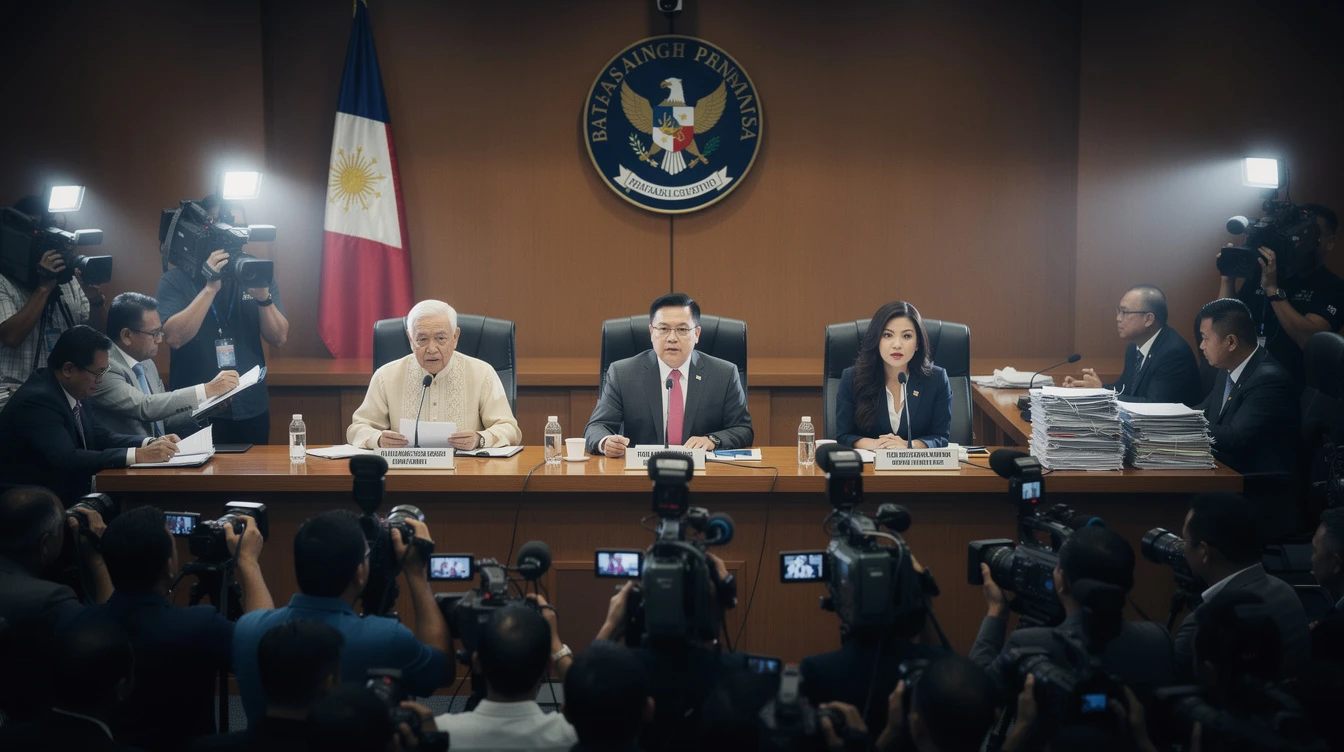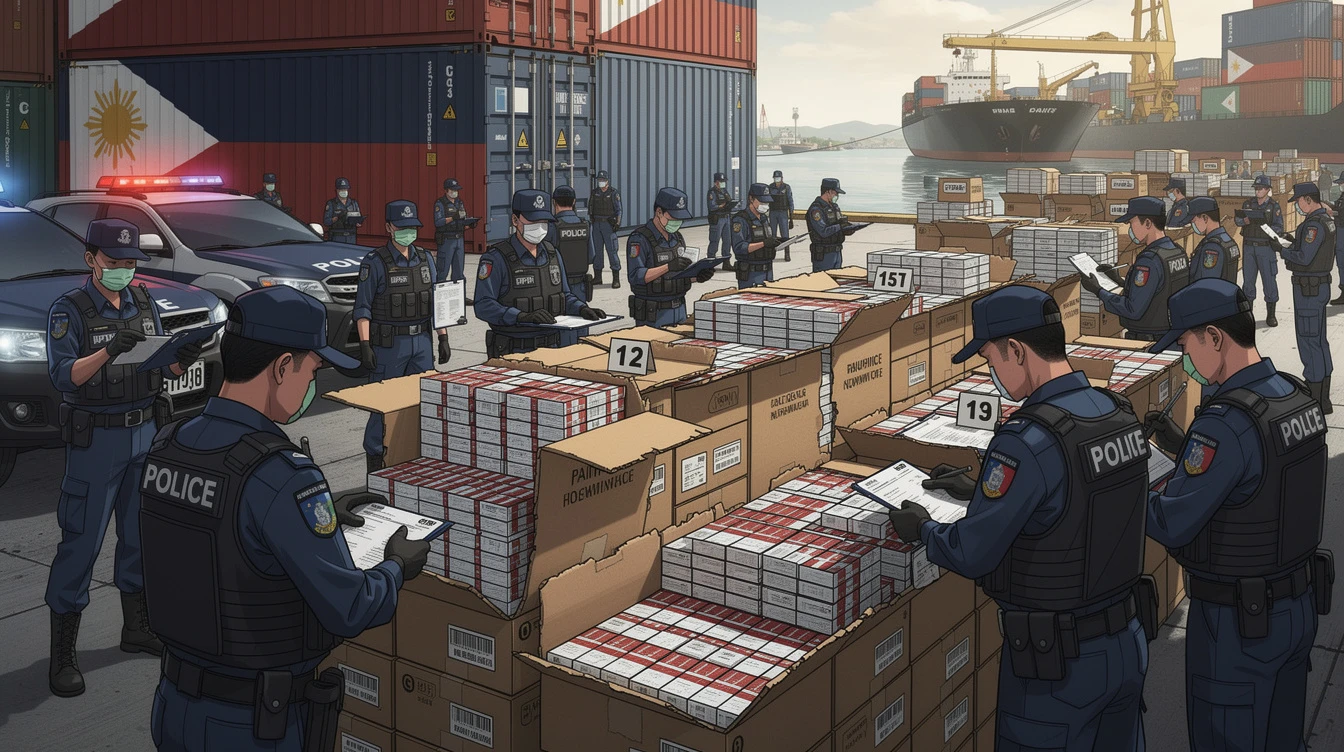
PNP Reports Record Seizure of Illegal Cigarettes
The Philippine National Police (PNP) has confiscated more than ₱2 billion worth of smuggled cigarettes during the first quarter of 2026, marking one of the largest anti-smuggling victories in recent years. The seizure, covering the period from January 1 to March 29, represents a significant escalation in the government's campaign against illegal tobacco trade.
Scope of the Nationwide Operations
Police authorities conducted sustained operations across multiple regions, intercepting contraband cigarettes at various checkpoints, ports, and distribution points. The campaign involved coordination among different PNP units, including the Criminal Investigation and Detection Group (CIDG), the Maritime Group, and regional offices nationwide.
The scale of the seizures reflects the growing sophistication of smuggling operations targeting the Philippines, according to PNP officials. authorities believe the illicit trade continues to evolve, with organized groups finding new routes and methods to circumvent border controls.
Impact on the Legal Tobacco Industry
The massive seizure has drawn attention from stakeholders in the legitimate tobacco sector, who have long advocated for stronger enforcement against smuggled products. Industry representatives argue that illegal cigarettes undercut local manufacturers and deprive the government of billions in potential tax revenues.
Government Intensifies Anti-Smuggling Drive
The PNP's first quarter success forms part of a broader government initiative to crack down on various forms of contraband, including cigarettes, agricultural products, and counterfeit goods. President Marcos Jr.'s administration has prioritized tackling illegal trade as a means of protecting domestic industries and securing tax collections.
Coordinated Efforts With Other Agencies
Beyond police operations, the PNP has worked closely with the Bureau of Customs (BOC) and the Department of Finance to strengthen intelligence-sharing and border security measures. This inter-agency collaboration has enabled faster identification of smuggling hotspots and more effective targeting of suspected smuggling networks.
Customs Commissioner V海水 previously announced parallel efforts to modernize port surveillance and enhance inspection protocols, complementing the PNP's ground operations. The combined approach aims to create multiple layers of defense against illegal imports.
Legal Actions Against Smugglers
Authorities have filed criminal cases against dozens of individuals apprehended during the operations. Charges include violations of the National Internal Revenue Code and the Customs Modernization and Tariff Act. The PNP has warned that those involved in large-scale smuggling operations face substantial prison sentences and fines.
Public Cooperation and Awareness Campaign
PNP Chief General Ruelo has called on the public to report any information regarding illegal cigarette distribution in their communities. The police force has established hotlines and online reporting channels to encourage citizen participation in combating the illicit trade.
Economic Implications of Illegal Tobacco Trade
Economists note that smuggled cigarettes not only affect tobacco farmers and manufacturers but also impact government revenue collections. The Bureau of Internal Revenue (BIR) estimates that the illegal tobacco market costs the government billions of pesos annually in lost excise taxes.
Finance Secretary Ralph Recto has emphasized the administration's commitment to clamping down on smuggling in all its forms, stating that every peso recovered through enforcement contributes to funding essential public services and infrastructure projects.