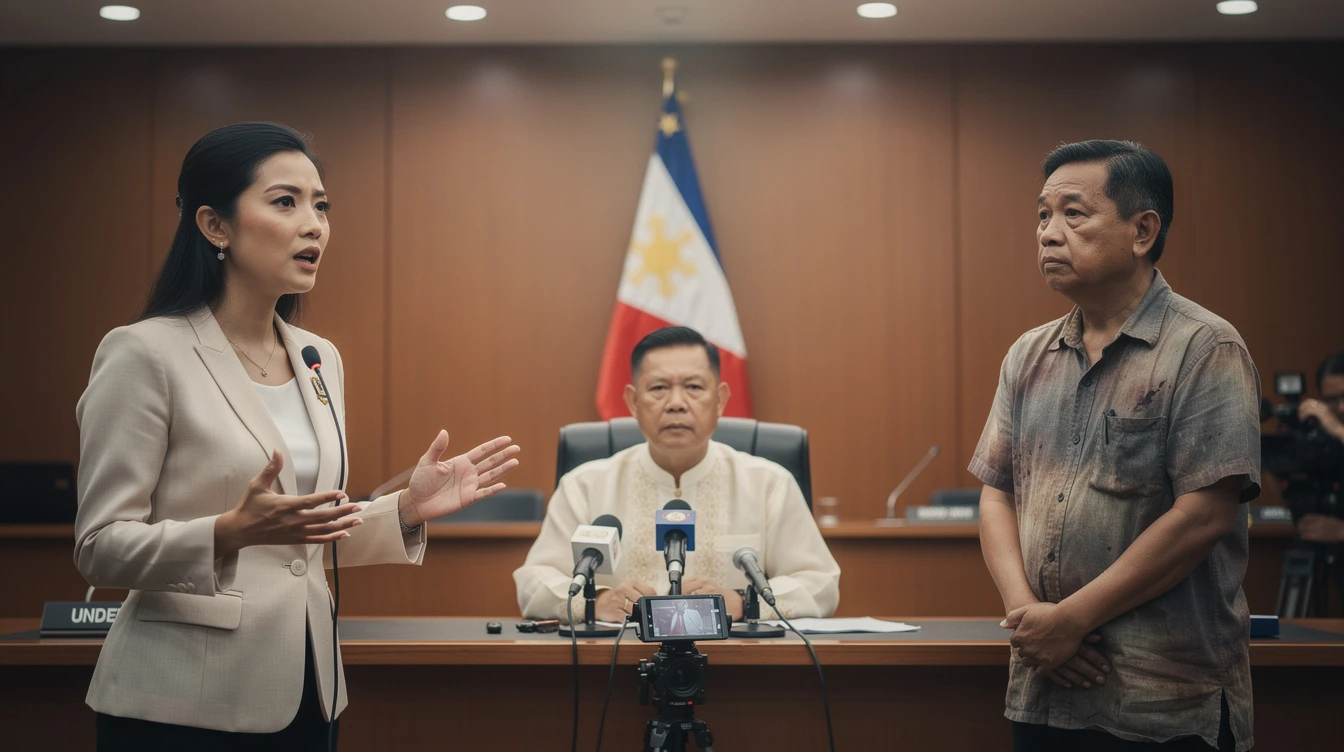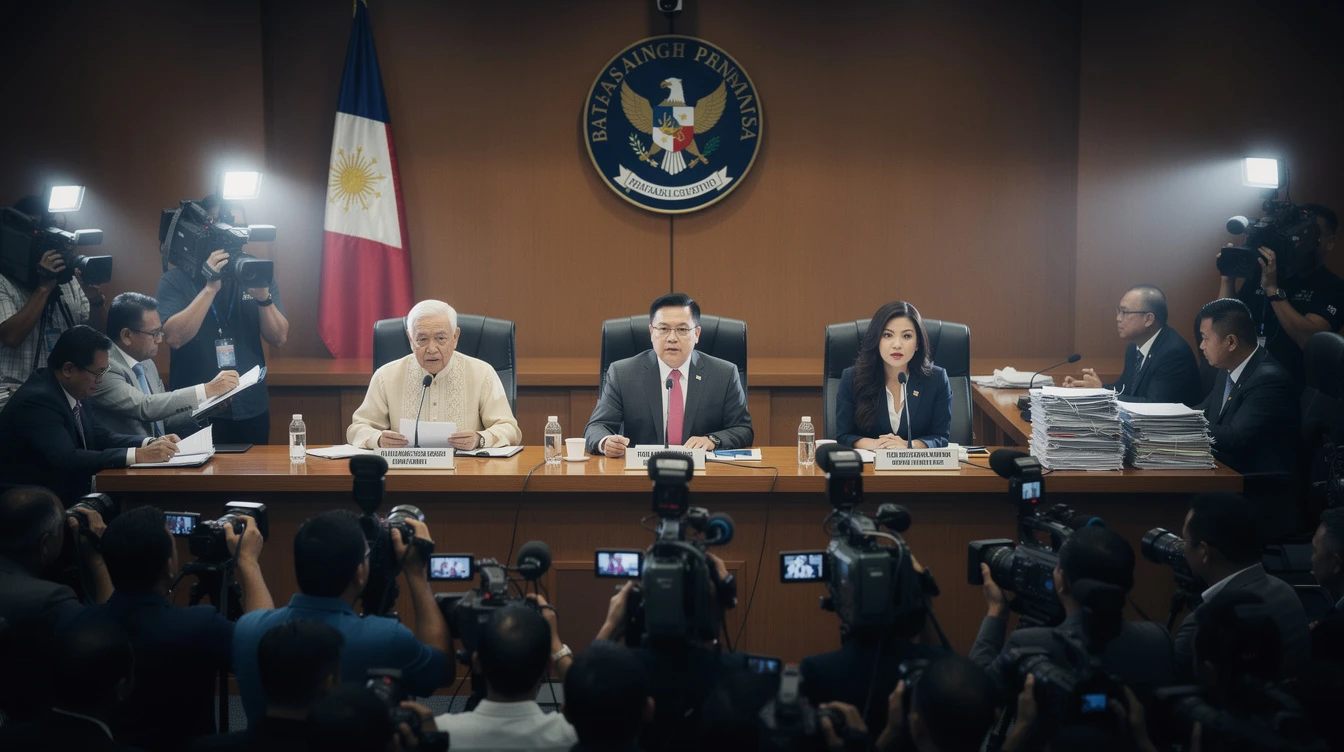
The House Committee on Justice will hold its second hearing on the impeachment complaint against Vice President Sara Duterte next week, with Ombudsman Samuel Martires and former senator Antonio Trillanes IV expected to attend as key resource persons. This critical phase aims to establish evidence of alleged unexplained wealth and SALN violations, directly testing the accountability of the nation's second-highest official.
Representative Terry Ridon, a committee member, stated the goal is to build a case for betrayal of public trust. \"'Pag na-establish sa bank accounts at sa financial documents 'yung kaso... mabubuo po namin sa darating na pagdinig,\" Ridon said, according to a GMA News report. The proceedings place the political future of the Vice President, a central figure in the ruling coalition, under unprecedented scrutiny.
Former Senator Antonio Trillanes IV, who was among the first to publicly suggest impeaching Duterte last November, has confirmed he will testify. His involvement adds a highly charged political dimension, given his history as a staunch critic of the Duterte family.
The potential timeline for a full trial is already being mapped out in the Senate. Should the House approve the articles of impeachment, Senate President Pro Tempore Panfilo Lacson has proposed holding the trial on Mondays, Wednesdays, and Fridays starting at 3 p.m.
This schedule would allow regular Senate sessions and committee hearings to continue on other days. The proposal underscores the Senate's preparation for a process that could dominate the political landscape for months.
The Ombudsman's participation is seen as crucial, as his office holds jurisdiction over investigations into the wealth and statements of assets, liabilities, and net worth of public officials. His testimony could provide official context to the allegations.
The impeachment complaint, filed by a group of teachers, accuses Duterte of culpable violation of the Constitution and betrayal of public trust. The allegations stem from confidential funds used during her tenure as education secretary.
Legal observers note that while the House has the sole power to initiate impeachment, the process faces significant political hurdles given the administration's strong majority in the chamber. The hearings, however, guarantee the issue will remain in the public eye.
For the Filipino public, this process represents a major test of the country's impeachment mechanisms, which have rarely been invoked against a sitting Vice President. The outcome will have profound implications for governance and political alliances.
The hearings will be closely watched by overseas Filipino communities, who remain deeply invested in the integrity of Philippine institutions. The case touches on core issues of transparency and the use of public funds.
As the second hearing approaches, all eyes are on the evidence to be presented. The testimony of Martires and Trillanes could either solidify the case or reveal its weaknesses, setting the course for a historic constitutional confrontation.
For the nation, this impeachment proceeding is more than a political battle; it is a barometer of institutional strength and a reminder of the constitutional mandate holding even the highest officials accountable to the people they serve.