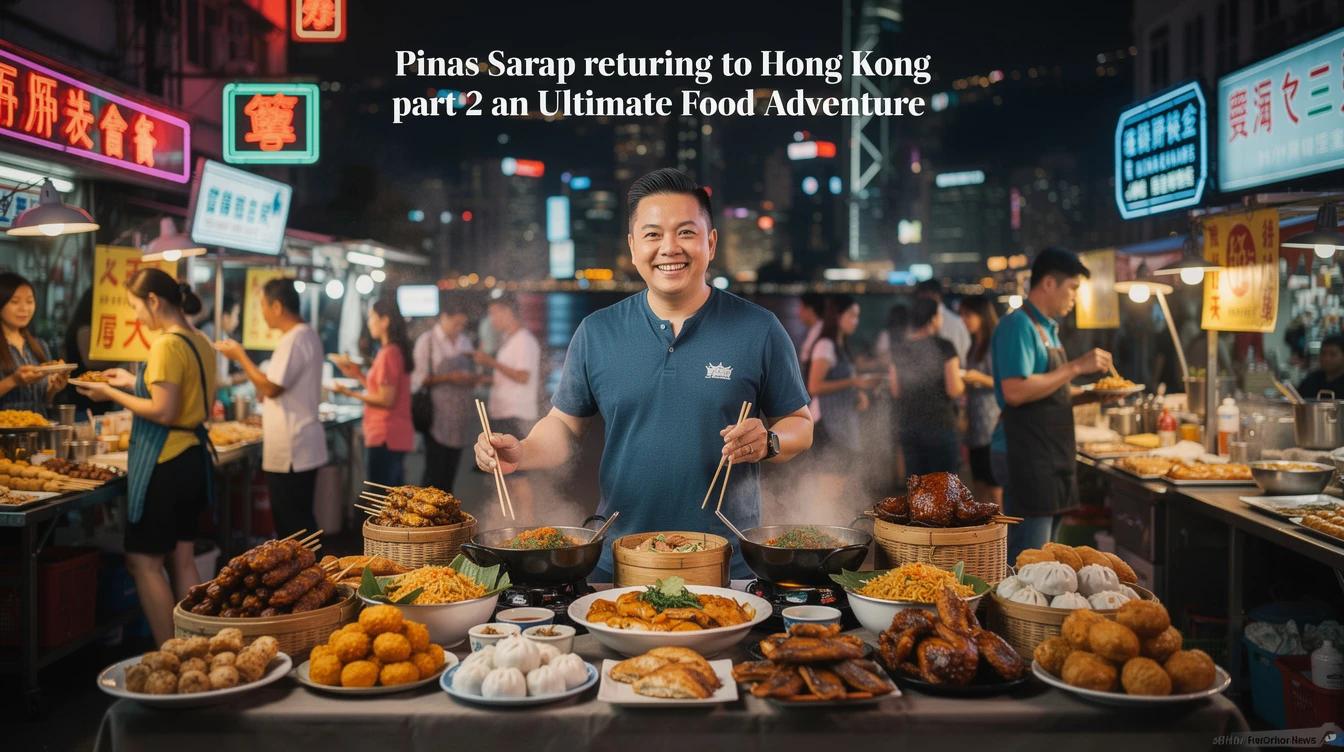
Filipino foodies have always had a taste for adventure. But in a recent episode of Pinas Sarap , host Kara David took that spirit to the next level — venturing into the heart of Sham Shui Po , Hong Kong, for a street food crawl that would make even the bravest eater pause.
From pig intestines to fallopian tubes , and from curry fish balls to dim sum classics , the episode showcased the raw, unfiltered flavors of Hong Kong's vibrant street food scene. It was a reminder that food is not just sustenance — it is cultural immersion.
Pinas
Whether you are planning your own Hong Kong food trip or simply curious about what lies beyond the usual siomai and siopao , here is everything you need to know about the latest Pinas Sarap adventure.
Sham Shui Po is not your typical tourist destination. Known more for its electronics markets and budget shopping, this district has quietly become a haven for adventurous eaters. Kara David dove headfirst into this world, sampling items that many would consider extreme.
Among the most talked-about dishes were pig intestines and fallopian tubes . These are not everyday fare for most Filipinos, but in Hong Kong, they are street food staples. Kara described the experience as "surprisingly savory" and urged viewers to keep an open mind.
Sarap
"Food is about culture," she said in the episode. "If you close your eyes and just taste, you might find something you love."
Another highlight was curry fish balls . Unlike the fish balls commonly sold in the Philippines, Hong Kong's version is denser and spicier, often served with a thick, aromatic curry sauce. It is a quick, affordable snack that locals swear by.
Of course, no Hong Kong food adventure would be complete without dim sum . Kara sampled authentic hakaw (shrimp dumplings) and siu mai (pork dumplings), comparing them to the versions Filipinos have grown to love.
"The skin is so thin you can see the filling," she noted. "It's the real deal."
Dim sum in Hong Kong is a morning ritual, often enjoyed with tea and a newspaper. It is a social experience, one that Pinas Sarap captured beautifully by showing the bustling tea houses and the delicate art of dumpling-making.
The episode was part of Pinas Sarap's 9th anniversary special , a testament to the show's enduring appeal. Launched in 2015, the program has taken Filipino viewers to food destinations across the Philippines and beyond, blending travelogue with culinary exploration.
"Nine years of sharing flavors, stories, and cultures," Kara reflected. "And we are just getting started."
The Hong Kong food trip was organized in partnership with Hong Kong Tourism Board , aiming to showcase the city's diverse gastronomic scene to a Filipino audience.
For millions of Overseas Filipino Workers (OFWs) and tourists in Hong Kong, food is a bridge between cultures. The Pinas Sarap episode offers practical tips for those craving authentic street food.
It also challenges Filipino foodies to step out of their comfort zones. "We eat isaw and betamax at home," one viewer commented online. "So why not try Hong Kong's version?"
Indeed, the willingness to explore is what makes food travel exciting. And with Kara David leading the way, the journey becomes even more compelling.
Food historian Dr. Maria Lourdes Santos of the University of the Philippines noted that street food reflects a city's history and migration patterns. "Hong Kong's street food is influenced by Cantonese tradition and the city's colonial past," she explained.
"Dishes like pig intestines and fish balls were born out of necessity, but they have evolved into cherished delicacies."
This cultural context enriches the Pinas Sarap experience, transforming a simple food crawl into a lesson in heritage.
Filipinos who cannot travel can still enjoy Hong Kong flavors. Many Asian grocery stores in Metro Manila sell frozen hakaw and siu mai . Curry fish balls can be made using local fish paste and a homemade curry sauce.
For the brave, pig intestines can be sourced from wet markets and cleaned thoroughly. The key is patience and proper seasoning.
Check out our guide toFilipino food travel tips for more ideas.
Pinas Sarap has hinted at more international episodes, possibly featuring Japan , Singapore , and Thailand . The show's success proves that Filipinos have an insatiable appetite for global cuisine.
As Kara David put it: "Food knows no borders."
Whether it is pig intestines in Hong Kong or balut in the Philippines, the joy of eating lies in discovery. Pinas Sarap continues to be our guide.
Pinas Sarap is a Philippine travel and food show hosted by Kara David , airing on GMA Network . It explores unique local and international cuisines.
The episode aired on GTV and is available on GMA Network's official social media pages and streaming platforms.
Takes
Yes, vendors in Sham Shui Po follow strict hygiene standards. However, always choose stalls with high turnover to ensure freshness.
She also sampled curry fish balls , dim sum , and various skewered meats. The full list is available onGMA News Online.