The Philippines has emerged as one of Southeast Asia's most dynamic economies, with its business sector driving national growth even as the country navigates persistent challenges in infrastructure, workforce development, and global competition. The nation's GDP composition reflects an increasingly services-oriented economy, with the services sector accounting for approximately 60 percent of total economic output, while industry contributes roughly 25 percent and agriculture comprises about 10 percent.
Economic Resilience in Post-Pandemic Recovery
Following the disruptions of the global pandemic, the Philippine economy has demonstrated notable resilience, with GDP growth showing sustained recovery patterns. The services sector, which forms the backbone of the nation's economic engine, encompasses diverse industries including business process outsourcing (BPO), retail, finance, and telecommunications. This diversification has helped buffer the economy against sector-specific downturns.
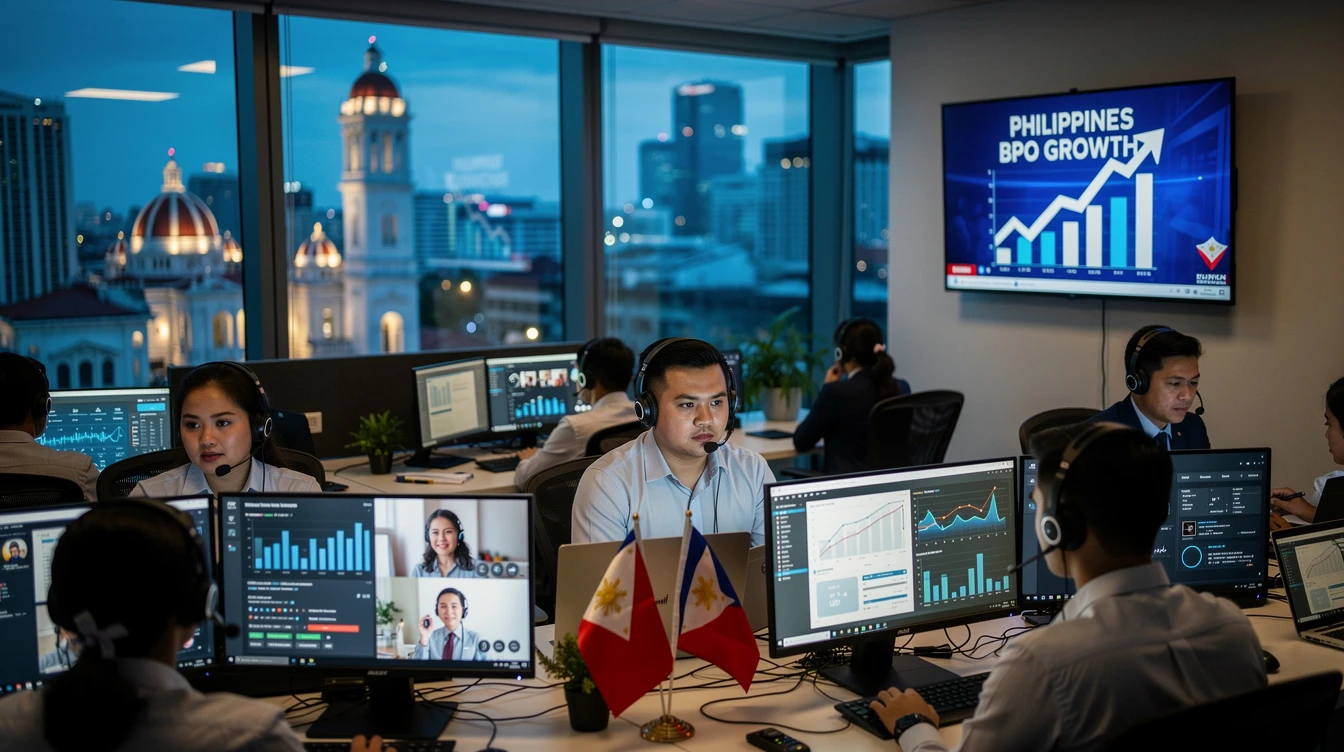
The BPO industry remains one of the country's top dollar earners, employing millions of Filipinos and generating billions in annual revenues. Despite global economic uncertainties and intensifying competition from neighboring Southeast Asian nations, the sector continues to expand its operations and service offerings.
The IT-BPM Sector: A Cornerstone of National Development
The Information Technology and Business Process Management sector represents one of the Philippines' most successful industries, building on the country's large pool of English-speaking, college-educated workers. The sector encompasses a broad range of services including customer experience operations, software development, healthcare information processing, and financial services.
Major international companies have established significant operations in the country, drawn by the combination of skilled labor, favorable time zones for Western business hours, and established infrastructure in key urban centers. However, industry observers note that the sector faces growing competition from countries like Vietnam, India, and Indonesia, which have intensified their efforts to attract similar investments.
Government Reforms Reshape Business Environment
The Philippine government has implemented a series of reforms aimed at improving the ease of doing business, recognizing that a competitive regulatory environment is essential for attracting both domestic and foreign investment. These initiatives include streamlined registration processes through the Securities and Exchange Commission, which has digitized many of its operations to reduce processing times and administrative burdens.
Tax reform has been a central component of the government's economic strategy. The Tax Reform for Acceleration and Inclusion (TRAIN) law adjusted personal income tax brackets and simplified certain tax structures, while the Corporate Recovery and Tax Incentives for Enterprises to Maximize Opportunities for National Recovery (CREATE) Act lowered corporate income tax rates and reformed the system of incentives for businesses.
Digital transformation of permitting and licensing systems has also accelerated, with many local government units now offering online applications for business permits and clearances. These measures represent efforts to address historical criticisms of the Philippines' regulatory complexity, which had previously ranked the country poorly in global ease-of-doing-business surveys.
Foreign Investment and Constitutional Considerations
The Philippine Constitution's restrictions on foreign ownership in certain industries remain a subject of ongoing legislative discussion. While the Retail Trade Liberalization Act has been amended to ease foreign participation in retail businesses, other sectors—including utilities, natural resources, and certain professional services—still face ownership limitations that some economists argue deter international investment.
Legislators continue to debate potential amendments that could liberalize foreign ownership rules, though such changes face opposition from groups concerned about national sovereignty and the potential displacement of local businesses. Business leaders and foreign chambers of commerce have generally advocated for greater openness, arguing that increased foreign investment could accelerate economic growth and technology transfer.
Manufacturing Sector: Ambitions and Obstacles
The manufacturing sector, encompassing electronics, food processing, automotive parts, and garments, plays a significant role in the Philippine economy though it has not reached the levels of industrialization seen in regional peers like Vietnam or Thailand. Government initiatives have sought to position the Philippines as a regional manufacturing hub, capitalizing on the country's strategic location, growing workforce, and existing trade agreements.
However, industry analysts point to persistent challenges that constrain the sector's growth. Infrastructure limitations, particularly in transportation networks and power supply in certain regions, add to operating costs and reduce competitiveness. Logistics costs in the Philippines remain higher than in many competing nations, eating into the margins of manufacturers and making price-competitive export production more difficult.
Agriculture Faces Systemic Challenges
The agricultural sector, while employing a significant portion of the workforce—particularly in rural areas—continues to face structural challenges that limit its productivity and growth potential. Supply chain disruptions, climate vulnerability, and competition for land use from residential and commercial development have combined to constrain the sector's performance.
Small-scale farmers, who constitute the majority of agricultural producers, often lack access to modern technology, credit, and efficient distribution networks. These limitations contribute to relatively low yields compared to regional standards and reduce farmers' ability to capitalize on domestic and export market opportunities.
Retail Transformation and E-Commerce Growth
The retail sector has experienced significant transformation as e-commerce platforms have gained market share and reshaped consumer behavior. Traditional brick-and-mortar businesses have faced increasing pressure to develop digital presence and omnichannel strategies to remain competitive.
The COVID-19 pandemic accelerated the shift toward online shopping, with many retailers reporting dramatic increases in digital transactions. This trend has persisted even as the economy has normalized, suggesting a fundamental and perhaps permanent change in shopping patterns. Logistics and delivery infrastructure has expanded rapidly to meet the growing demand, though coverage gaps remain in certain areas.
Infrastructure and Workforce: Persistent Gaps
Despite progress in various areas, Philippine businesses continue to grapple with infrastructure deficiencies that increase costs and limit operational efficiency. Transportation bottlenecks, particularly in Metro Manila and other urban centers, result in significant time losses for workers and goods movement. Power supply reliability remains inconsistent in some regions, forcing businesses to maintain costly backup generation systems.
The workforce presents a similarly complex picture. While the Philippines produces substantial numbers of college graduates each year, skills gaps persist in certain technical and specialized fields. Employers in industries such as advanced manufacturing, software development, and specialized healthcare services report difficulties finding workers with the specific competencies required. Industry observers have called for closer collaboration between educational institutions and businesses to align training programs with actual workforce needs.
Outlook: Opportunities Amid Challenges
The Philippine business landscape presents a picture of considerable opportunity tempered by persistent structural challenges. The country's young and English-proficient population, strategic location, and growing middle class represent significant assets in attracting investment and fostering domestic enterprise. The government's reform agenda, while incomplete, has demonstrated commitment to improving the business climate.
Looking ahead, analysts identify several priorities that will shape the Philippines' competitive position. Continued investment in infrastructure, particularly transportation and digital connectivity, remains essential. Workforce development that addresses actual industry needs will be critical for sustaining growth in knowledge-intensive sectors. And the resolution of policy questions around foreign investment will influence the country's ability to attract capital and technology transfer in an increasingly competitive regional environment.
The Philippines has proven its capacity for economic resilience and growth. Whether the nation can translate that potential into sustained, inclusive development will depend on the effective implementation of reforms and the ability of businesses, government, and educational institutions to work together toward shared objectives.