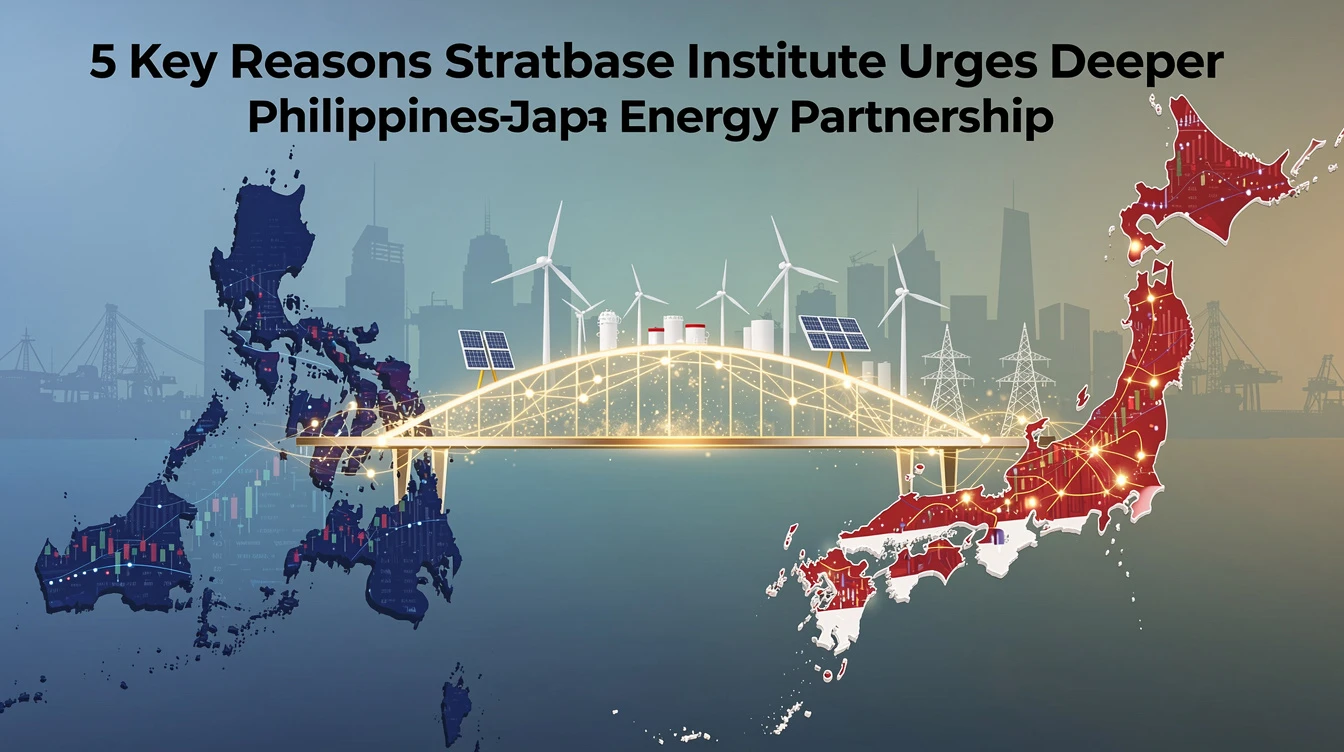
The Stratbase Institute has publicly commended the recent strengthening of relations between the Philippines and Japan under the Asia Zero Emission initiative, urging lawmakers and energy officials to build on the landmark agreement. The think tank’s call comes as the two nations formalize a new Energy Partnership via a Memorandum of Cooperation, a move that analysts say could accelerate the country’s shift toward cleaner and more reliable power sources.
What Is the Philippines-Japan Energy Partnership?
The agreement, signed in early 2026, establishes a framework for joint projects in renewable energy, energy efficiency, and grid modernization. Japan, a global leader in low-carbon technologies, will provide technical expertise and financing. The Philippines, meanwhile, aims to reduce its dependence on imported fossil fuels and stabilize electricity costs, which remain among the highest in Southeast Asia.
Stratbase’s Endorsement
In a statement released on March 14, 2026, the Stratbase Institute described the partnership as “a pivotal moment for Philippine energy security.” The group highlighted that cooperation with Japan can help the country meet its target of 50% renewable energy in the power mix by 2040. Without such international partnerships, the goal may remain out of reach.
Why the Partnership Matters Now
Rising Electricity Costs
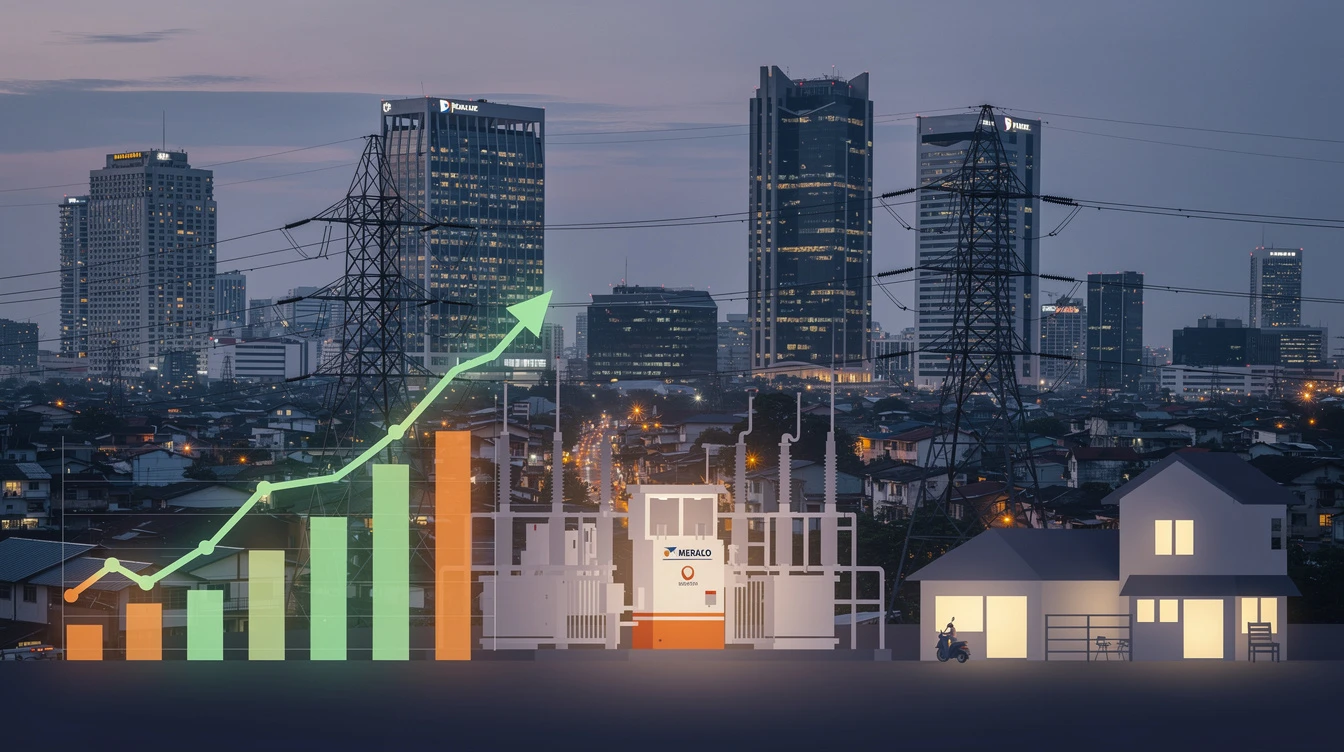
Philippine households and businesses face some of the steepest power rates in Asia, with average residential tariffs exceeding PHP 12 per kilowatt-hour. The partnership could lower costs by introducing more efficient technologies and diversifying energy sources. Japan’s expertise in solar, wind, and hydrogen power is particularly relevant.
Energy Security and Independence
The Philippines imports more than 50% of its energy needs, mainly coal and oil. This leaves the economy vulnerable to global price shocks and supply disruptions. A stronger tie-up with Japan can accelerate domestic renewable projects, reducing reliance on volatile international markets. The Stratbase Institute emphasized that self-sufficiency must be a core objective.
What the Memorandum of Cooperation Includes
The Memorandum of Cooperation between the two governments covers technology transfer, capacity building, and joint research. Priority areas include offshore wind, geothermal energy, and smart grids. Japanese firms such as Mitsubishi Heavy Industries and Marubeni Corporation are expected to play leading roles in pilot projects.
“This is not just an energy deal—it is a strategic alliance for the next decade,” said Dr. Victor Andres Manhit, President of the Stratbase Institute. He added that the partnership could also serve as a model for ASEAN-wide energy cooperation.
Potential Challenges
Regulatory Hurdles
Analysts warn that the partnership’s success depends on the Philippines’ ability to streamline permitting for energy projects. Current rules can delay developments by three to five years. The Stratbase Institute called for a “convergence” among government agencies to remove bureaucratic bottlenecks.
Financing and Cost Sharing
While Japan has pledged support through its Official Development Assistance (ODA) and private investment, the total funding remains unclear. The Philippines must also ensure that costs do not translate into higher consumer tariffs. Transparent negotiation and oversight will be critical.
Broader Regional Implications
The partnership aligns with broader trends in Central Asia, where the EU and Japan are increasing cooperation on energy transition, according to a study published in ScienceDirect in February 2026. Meanwhile, a report from the Center for Strategic and International Studies (CSIS) notes that U.S.-Japan collaboration on clean energy supply chains can enhance resilience across the Indo-Pacific.
The Philippines stands to benefit from this emerging network of alliances. As a key maritime nation, improved energy infrastructure could also support electric vehicle adoption, digital connectivity, and disaster resilience.
What Filipino Consumers Should Watch
Households can expect more stable power prices and fewer blackouts if the partnership delivers on its goals. Businesses, particularly in manufacturing and business process outsourcing, may gain a competitive edge with reliable electricity. The government, for its part, must ensure that rural and off-grid areas also receive investments.
The Stratbase Institute recommends the creation of a joint monitoring body to track project milestones and public accountability. “We cannot afford to waste this opportunity,” Dr. Manhit stated.
Significance for Filipino Readers
For the average Filipino, the partnership with Japan represents a tangible step toward lower electricity bills, cleaner air, and energy independence. It also reinforces the country’s position as a partner of choice for advanced economies in the region. However, the benefits will only be realized if the government acts with speed, transparency, and inclusivity.