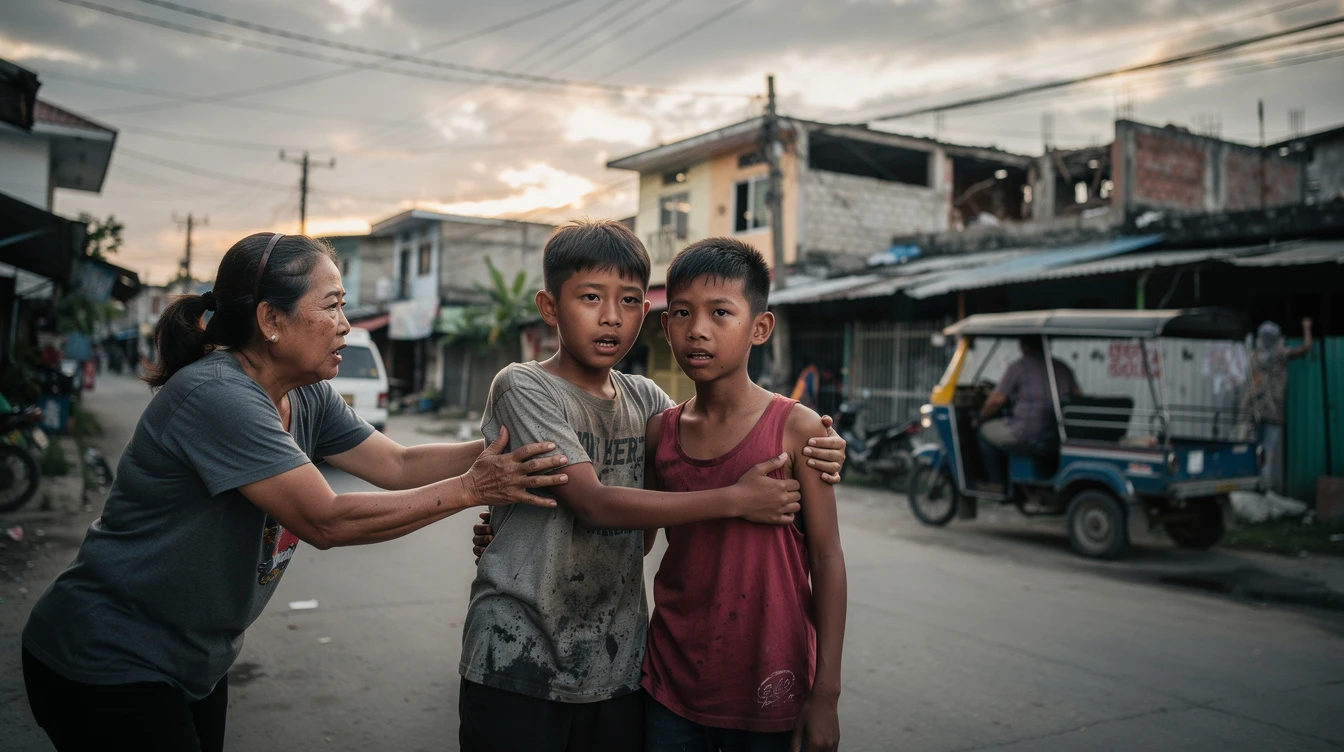
A heart-wrenching case of child custody has come to light in Marawi City, where two young siblings were allegedly taken and kept by their mother's former employer for years. The children have now been rescued, sparking a wave of relief and concern across the Philippines.
The mother, who had been searching tirelessly for her children, finally saw them recovered through the coordinated efforts of local authorities and social welfare offices. The incident highlights the vulnerabilities of domestic workers and their families in the country.
Background of the Case
The story began when the mother worked as a domestic helper for a family in Marawi. According to reports, after she left her employment, her former employer refused to return her two children, claiming they had been "adopted" or were being cared for.
Local officials said the employer allegedly prevented the mother from seeing her children for an extended period, leading to a legal and emotional battle. The case gained attention after the mother sought help from the Department of Social Welfare and Development (DSWD) and the Philippine National Police (PNP).
How the Rescue Happened
Authorities in Marawi conducted a rescue operation after verifying the mother's claims. The children, believed to be under 10 years old, were found living with the former employer under questionable conditions.
Key Details of the Operation
The rescue was carried out by a joint team from the Marawi City Social Welfare and Development Office and the Lanao del Sur Police Provincial Office. Officials ensured the children were in safe hands before reuniting them with their mother.
"The children appeared confused but unharmed," a social worker told local media. "We are now providing them with psychosocial support and medical check-ups."
Legal Implications and Child Custody
Under Philippine law, taking a child without parental consent is a serious offense. The Revised Penal Code and Republic Act No. 7610 (Special Protection of Children Against Abuse, Exploitation and Discrimination Act) strictly prohibit such acts.
Lawyers familiar with the case said the former employer could face charges of child abduction or illegal detention. The DSWD is now handling the custody and rehabilitation of the siblings.
Public Reaction and Social Media Buzz
The story has sparked outrage and sympathy online. Many Filipinos have called for stricter enforcement of child protection laws, especially in cases involving domestic workers.
"No employer has the right to take someone else's child," one netizen commented. "This mother's pain is unimaginable."
Expert Opinion on Child Welfare
Child psychologist Dr. Maria Santos said incidents like this can cause long-term trauma. "Children separated from their parents may experience attachment issues, anxiety, and confusion about their identity."
She emphasized the need for trauma-informed care and family counseling to help the siblings adjust to their new life with their biological mother.
Government Response and Future Steps
The DSWD has assured the public that it will monitor the family's situation closely. Secretary Rex Gatchalian earlier stated that the department is committed to protecting children from all forms of abuse and neglect.
Local officials in Marawi are also reviewing the case to prevent similar incidents. They encourage other parents in similar situations to come forward and seek help from authorities.
What This Means for Philippine Families
This case serves as a stark reminder of the power imbalance in employer-employee relationships, especially among domestic workers or kasambahays. Many mothers working away from home face the risk of losing contact with their children.
The Department of Labor and Employment (DOLE) has regulations to protect domestic workers, but enforcement remains a challenge. Advocates are pushing for more awareness and strict compliance.
Helpful Resources for Parents
If you or someone you know is in a similar situation, contact the DSWD at 1383 or your local police station. The PNP Women and Children Protection Center also provides assistance.
For more information on child custody and parental rights, visit the DSWD website. You can also read about legal rights for parents in the Philippines on our site.
Conclusion and Future Outlook
The recovery of these two siblings in Marawi is a victory for justice, but it also underscores the need for stronger child protection mechanisms. The mother's years of waiting finally ended, but the healing journey has just begun.
Moving forward, authorities must ensure that former employers are held accountable and that no child suffers a similar fate. The story of this family is a call to action for all Filipinos to protect the most vulnerable among us.