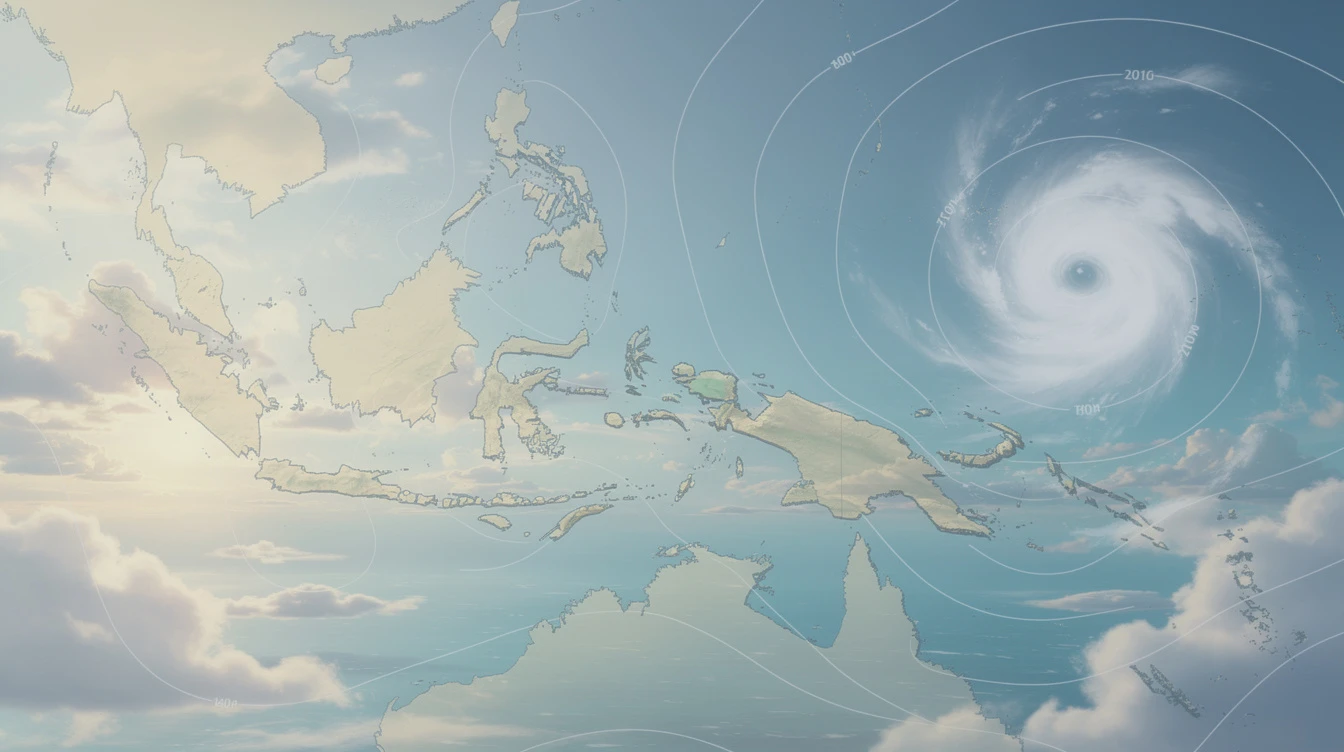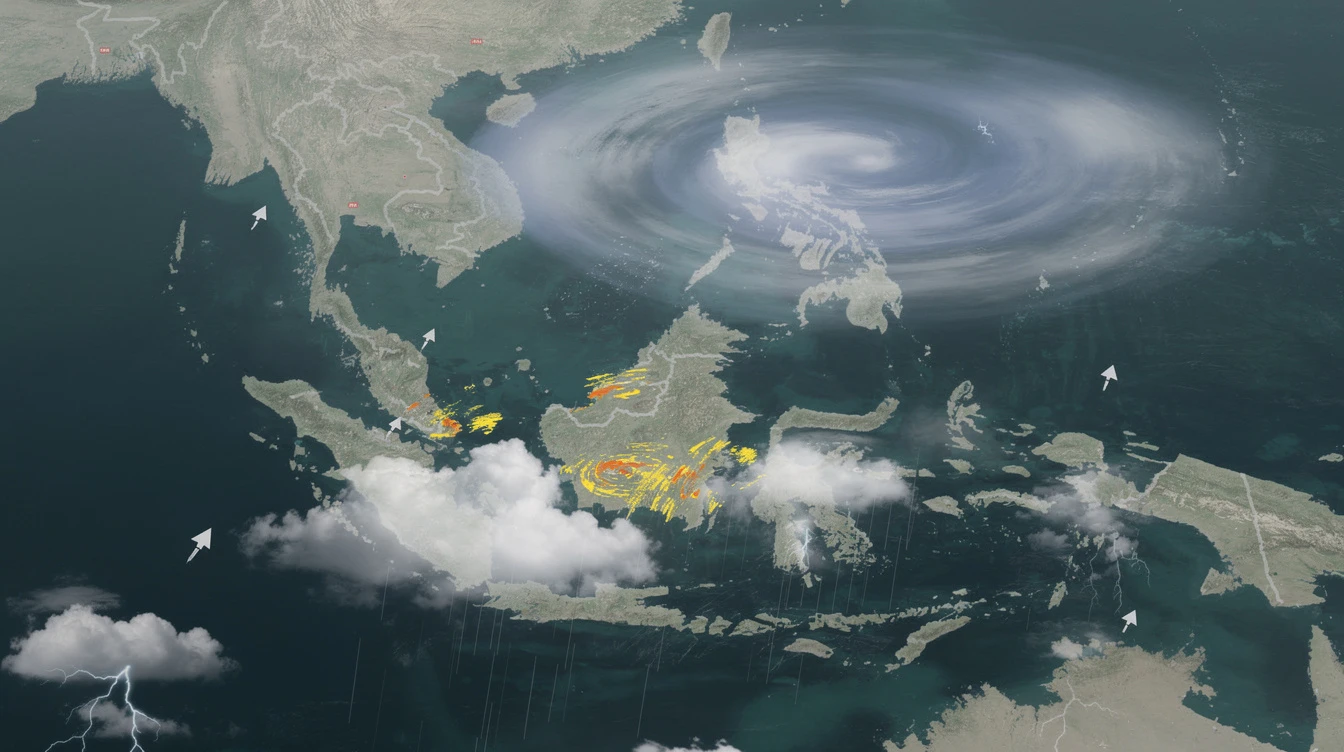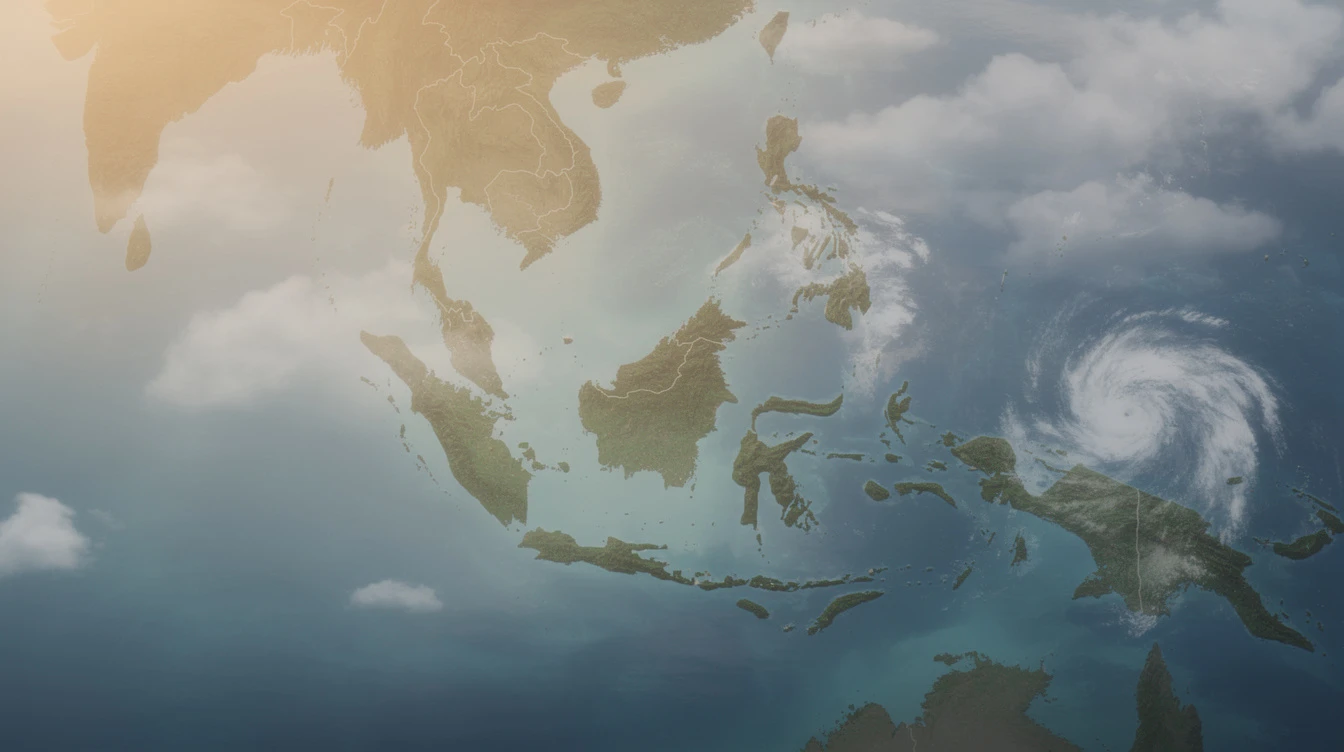
The Philippine Atmospheric, Geophysical and Astronomical Services Administration reported Sunday that Tropical Storm Sinlaku remains outside the Philippine Area of Responsibility with a low chance of entry.
PAGASA's 4 p.m. bulletin stated Sinlaku continues moving away from Philippine territory while Tropical Storm Paeng exits PAR this afternoon.
Weather specialist Benison Estareja confirmed "fair weather conditions" nationwide with only isolated rain showers expected.
"The dominant weather system affecting the country is the northeast monsoon," Estareja said during the agency's daily forecast.
This brings cooler temperatures and generally fair skies across most regions including Metro Manila.
Current conditions in Benguet show sunny weather with temperatures at 22.4°C and minimal precipitation.
PAGASA continues monitoring a low-pressure area outside PAR that has minimal development potential.
The weather bureau emphasized this system poses no immediate threat to Philippine landmass.
However, fisherfolk and small sea craft are advised to exercise caution due to moderate seas.
Sinlaku's current trajectory keeps it westward away from Philippine waters according to latest satellite data.
International weather models show the storm maintaining its course through the South China Sea.
This reduces potential disruption to shipping lanes and offshore operations involving Filipino workers.
The simultaneous exit of Paeng and distant position of Sinlaku creates a weather window for recovery efforts.
Areas previously affected by recent storms can proceed with rehabilitation without new rainfall threats.
Agricultural departments are advising farmers to utilize the dry period for planting and harvesting.
PAGASA's one-page forecast indicates generally fair weather for the coming three to five days.
Temperature ranges will be seasonally normal with cooler mornings in northern and central Luzon.
Metro Manila can expect temperatures between 24°C to 32°C with partly cloudy skies prevailing.
The weather stability comes as relief for disaster agencies still addressing previous storm impacts.
National Disaster Risk Reduction and Management Council reports ongoing operations in several regions.
Fair weather allows for uninterrupted delivery of assistance to affected communities nationwide.
For Filipino communities abroad, particularly in Southeast Asia, the forecast means reduced worry.
Many overseas Filipino workers monitor Philippine weather closely when family members reside in flood-prone areas.
The low storm threat provides psychological relief for the global diaspora during holiday planning.
PAGASA reminds the public that weather systems can change rapidly during the typhoon season.
The agency maintains 24-hour monitoring despite the current favorable conditions.
Regular updates are available through official social media channels and the PAGASA website.
Local government units are advised to continue preparedness measures despite the fair forecast.
The Philippines experiences an average of 20 tropical cyclones annually with peak season from July to October.
Early preparation remains crucial for a nation consistently ranked among most vulnerable to climate impacts.
This weather development matters significantly for the Philippines as it provides crucial recovery time between storm systems.
With millions of Filipinos living in coastal and flood-prone areas, even temporary reprieves from severe weather save lives and property.
The agricultural sector particularly benefits from predictable weather windows for planting and harvest cycles that feed the nation.