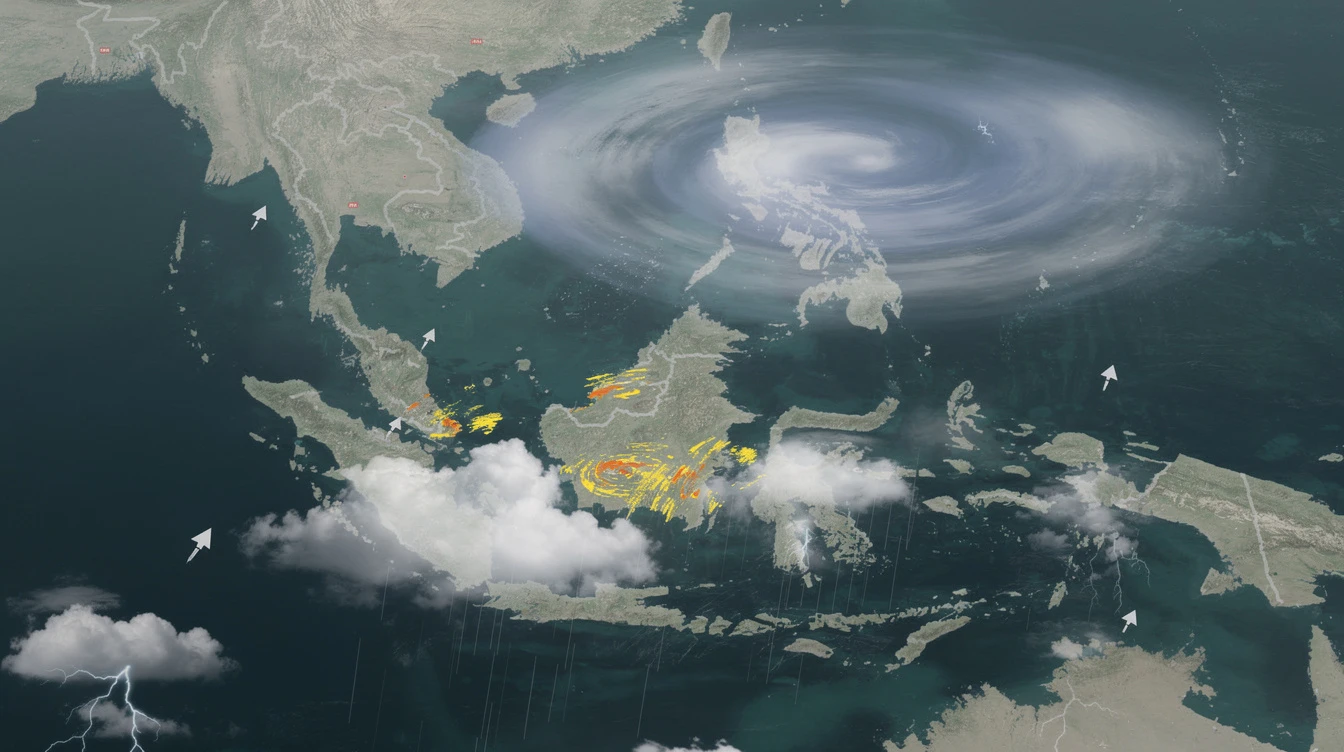
The Philippine Atmospheric, Geophysical and Astronomical Services Administration announced Friday that fair weather with isolated rains will prevail across the archipelago while monitoring a tropical storm outside the Philippine Area of Responsibility.
PAGASA weather specialist Benison Estareja reported that Metro Manila recorded partly cloudy conditions with temperatures reaching 27.2°C at 6:00 AM Friday morning.
"We expect fair weather conditions to continue, but there are still chances of thunderstorms in the afternoon," Estareja stated in PAGASA's latest weather bulletin.
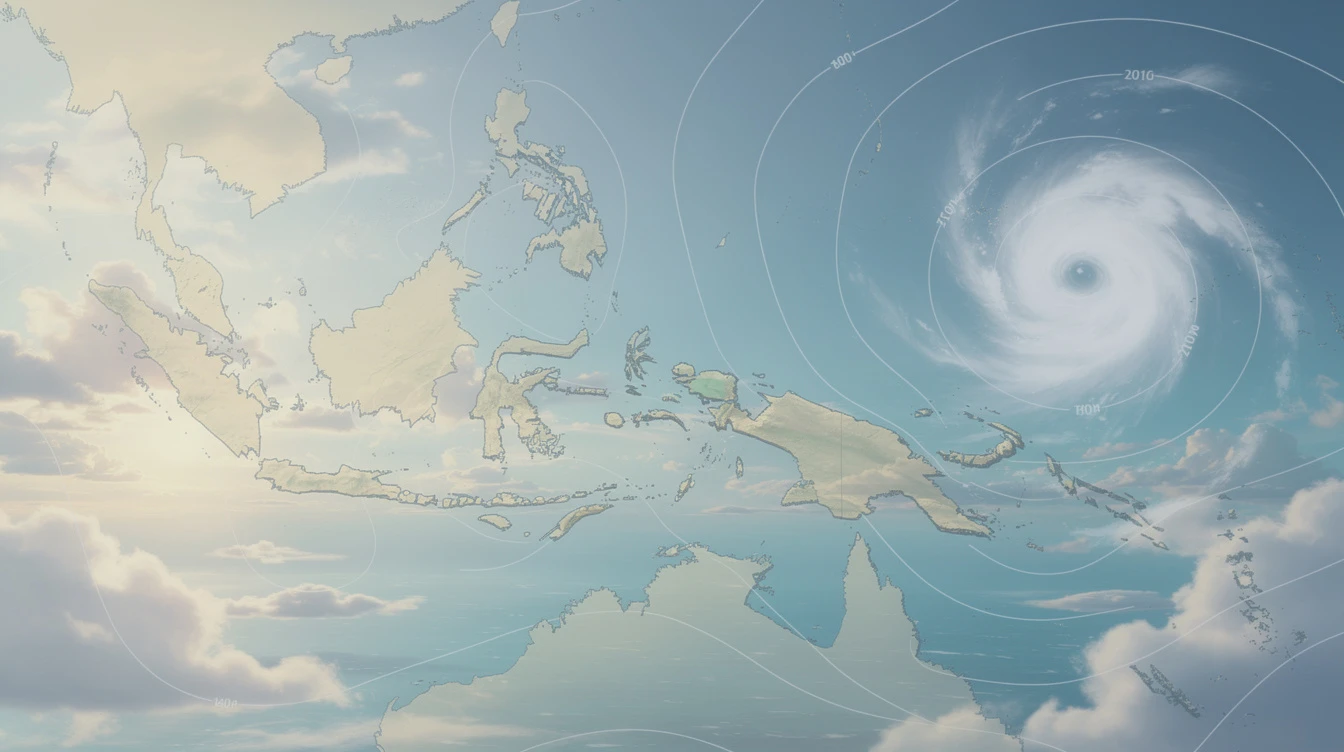
The state weather bureau is closely tracking a low-pressure area outside PAR that could develop into a tropical depression within 24-48 hours.
This weather system currently poses no direct threat to Philippine landmass but requires monitoring by disaster preparedness agencies nationwide.
Isolated light rains will affect northern Luzon due to the Northeast Monsoon or Amihan, according to PAGASA's regional forecasts.
Most parts of the country will experience generally fair weather despite the 50% cloud cover observed over Metro Manila early Friday.
The Philippine weather agency maintains constant surveillance of all weather systems approaching the country's area of responsibility.
PAGASA's monitoring comes as Filipino farmers prepare for summer harvests and fisherfolk plan their maritime activities around weather conditions.
"While current conditions remain favorable, we advise the public to monitor updates regarding the LPA outside PAR," Estareja emphasized during the briefing.
The potential storm development occurs during a critical period for Philippine agriculture and coastal communities dependent on stable weather patterns.
Local government units have been alerted to prepare standard disaster response protocols should the weather system enter Philippine territory.
PAGASA records show that April typically marks the transition between the amihan and habagat seasons, creating variable weather patterns.
The weather bureau's early warning systems remain activated nationwide to provide timely updates to vulnerable communities.
Temperature readings across Luzon remain moderate with Manila experiencing 74% humidity and light easterly winds at 9.7 kph.
Visibility in the capital region remains good at 10 kilometers with no significant precipitation recorded overnight.
Weather conditions appear favorable for Holy Week activities planned across predominantly Catholic communities in the Philippines.
PAGASA's regional centers continue to provide localized forecasts for farmers, fisherfolk, and local disaster risk reduction councils.
The agency's Doppler radar stations and satellite monitoring systems operate 24/7 to track all weather developments near Philippine territory.
Maritime authorities have been advised to caution seafarers about possible afternoon thunderstorms despite generally fair conditions.
Urban residents in Metro Manila can expect typical April weather with possible brief showers during peak afternoon heat.
PAGASA reminds the public that weather systems can rapidly develop during this transitional period between seasons.
The agency maintains its standard protocol of issuing bulletins every six hours with more frequent updates if conditions change.
This monitoring proves particularly important for overseas Filipino workers concerned about family safety during weather disturbances.
For Filipino readers, this weather update provides crucial information for daily planning and long-term preparedness.
The potential storm development outside PAR requires vigilance from communities still recovering from previous weather disasters.
PAGASA's proactive monitoring helps protect vulnerable sectors including agriculture, fisheries, and tourism that drive the Philippine economy.
Families planning summer activities and local travels can proceed with normal schedules while remaining weather-aware.
The fair weather forecast benefits agricultural regions preparing harvests and transport sectors moving goods nationwide.
Ultimately, PAGASA's continuous surveillance demonstrates the importance of weather science in protecting Filipino lives and livelihoods.