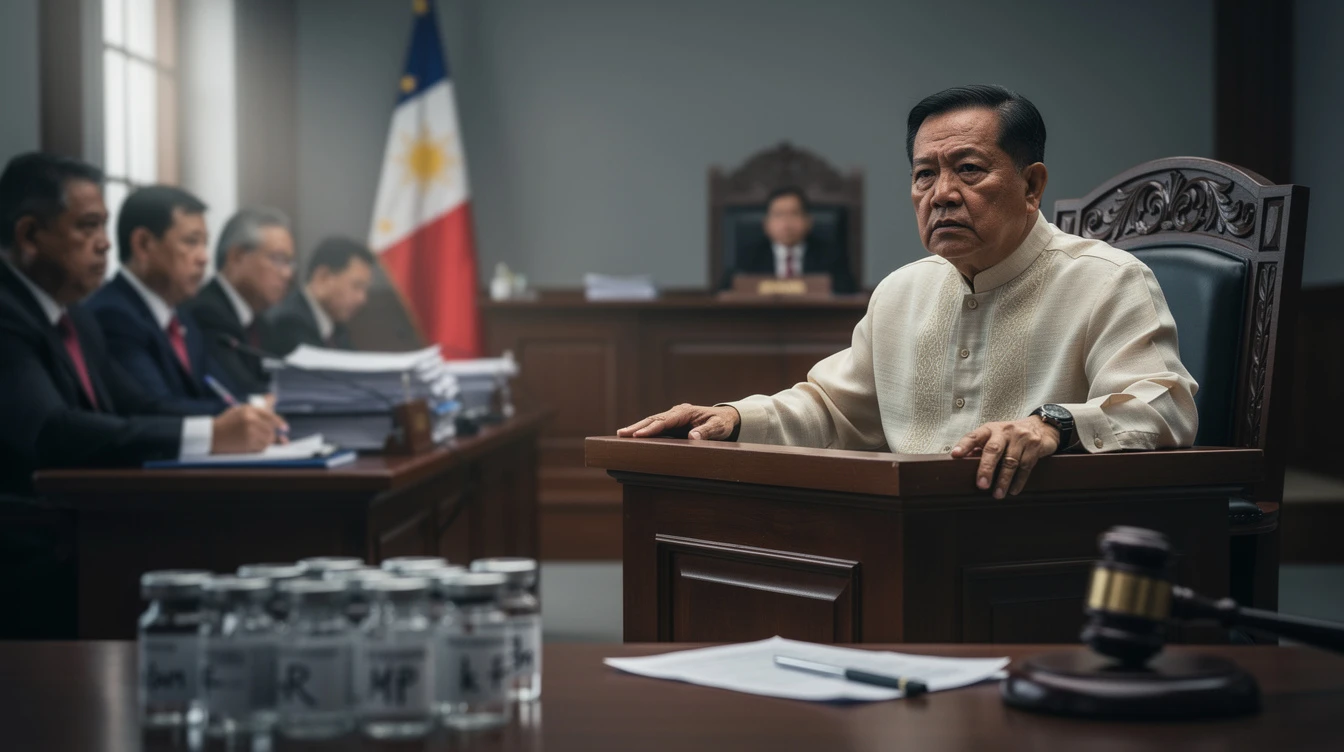
Former Health Undersecretary Kenneth Hartigan-Go denied promoting the use of the P3.5-billion Dengvaxia vaccine when he took the witness stand recently. Hartigan-Go is facing trial for graft and illegal use of public funds related to the controversial immunization program.
The case centers on the Philippine government's 2016 purchase and administration of Sanofi Pasteur's Dengvaxia. The program vaccinated over 800,000 Filipino schoolchildren before safety concerns erupted, causing a nationwide health crisis and crisis of public trust.
According to a report from GMA News, Hartigan-Go served as Undersecretary for Health Regulation under the Aquino administration. He was a key official when the Department of Health (DOH) launched the massive dengue immunization drive.
In his testimony, Hartigan-Go stated he did not promote the vaccine's use. He argued his role was regulatory, focused on the vaccine's registration and post-marketing surveillance, not its promotion or procurement.
The Dengvaxia controversy began in late 2017. Sanofi Pasteur disclosed the vaccine posed a risk to those without prior dengue infection. This revelation triggered panic among parents and a series of congressional investigations.
The Public Attorney's Office (PAO) later alleged the vaccine caused the deaths of hundreds of children. These claims, while heavily disputed by medical experts, fueled public outrage and led to multiple criminal complaints against former officials.
Hartigan-Go is among several former DOH officials charged by the Office of the Ombudsman. The charges allege they rushed the procurement and implementation of the program without adequate safeguards.
The trial is being closely watched as it may establish accountability for one of the Philippines' biggest public health scandals. It revisits a painful chapter that damaged confidence in the country's vaccination programs.
Per court records, the Ombudsman's case hinges on whether officials acted with undue haste and negligence. Prosecutors argue the DOH ignored warning signs and procedural requirements in its zeal to launch the program.
Hartigan-Go's defense appears to center on delineating his specific bureaucratic responsibilities. He claims the promotion and rollout of the vaccine fell under different offices within the sprawling DOH bureaucracy.
The controversy had far-reaching consequences beyond the courtroom. It led to a dramatic drop in routine childhood vaccination rates across the Philippines, according to DOH data.
Outbreaks of measles and polio were later partly attributed to this \"vaccine hesitancy.\" Rebuilding public trust has been a stated priority for subsequent health secretaries.
For the families of vaccinated children, the trial represents a long-awaited search for answers. Many continue to live in fear, despite studies showing no definitive causal link between the vaccine and the alleged deaths.
The legal proceedings are expected to be lengthy, with more witnesses from the DOH, pharmaceutical company, and other agencies likely to be called. The court's final ruling could set a significant precedent for public health governance.
This case underscores the critical need for rigorous, transparent processes in large-scale government health initiatives. The immense cost, both financial and in public trust, highlights the stakes of such decisions.
For the Filipino public, the trial is a stark reminder of the Dengvaxia saga's enduring legacy. It continues to influence health policy and parental decisions nearly a decade after the program began.