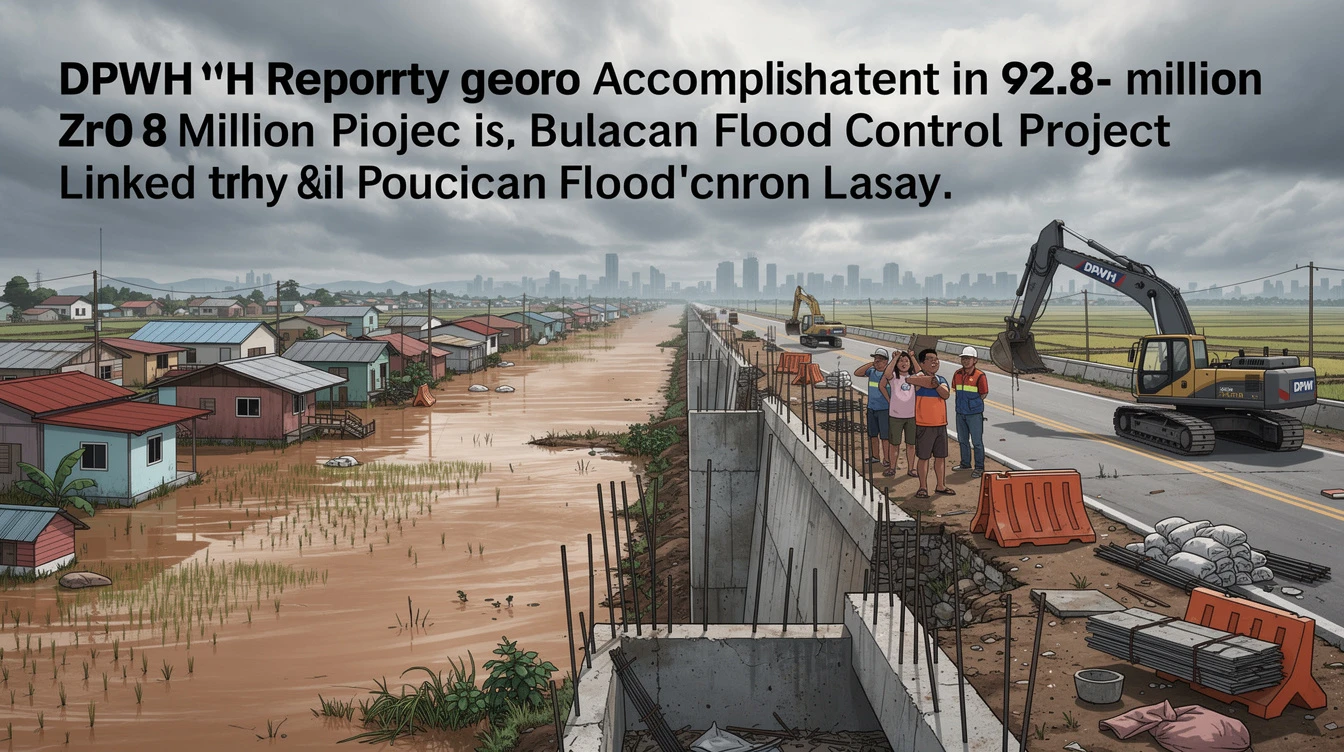
The Sandiganbayan heard Tuesday that a P92.8-million flood control project in Pandi, Bulacan linked to former Senator Ramon "Bong" Revilla Jr. showed "minimal" to "almost nothing" in construction accomplishments. National Bureau of Investigation agent Ivan Bernard Samson presented findings during Revilla's graft case hearing on April 7.
The Office of the Ombudsman filed graft and malversation charges in January alleging P76 million was released for a project "never implemented." Assistant Ombudsman Mico Clavano's complaint centers on the alleged ghost project in the flood-prone Bulacan municipality.
DPWH Bulacan 1st District Engineering Office documents revealed "zero accomplishment" at the Pandi site. This contradicts official reports that facilitated fund releases during the project's implementation period under Revilla's alleged involvement.
"Our inspection showed no substantial structures matching the project specifications," Samson testified before the Sandiganbayan 4th Division. The NBI investigation began after discrepancies surfaced between reported progress and actual site conditions.
The P92.8-million project was intended to protect Pandi residents from seasonal flooding that regularly submerges homes and farmland. Bulacan experiences annual flooding affecting thousands of families during monsoon seasons.
Revilla faces charges alongside former DPWH officials accused of conspiring to facilitate irregular fund releases. The alleged scheme diverted public funds meant for critical infrastructure in vulnerable communities.
This case emerges as the Philippines battles widespread flooding problems exacerbated by climate change. Proper flood control infrastructure remains urgent for many low-lying areas like Bulacan.
The Pandi project investigation follows similar patterns of alleged ghost projects nationwide. A separate P5-million flood control project in Davao Occidental also faces court action after inspections showed no construction.
Prosecutors presented documentary evidence showing fund transfers and approval chains linking Revilla to the project implementation. The timeline corresponds with Revilla's Senate term before his plunder case and subsequent acquittal.
Defense lawyers challenged the NBI's methodology while maintaining Revilla's innocence. They argued proper procedures were followed in project approval and implementation oversight.
Bulacan residents expressed frustration upon learning about the alleged ghost project. Many recall flooding events that damaged properties while promised protection never materialized.
The case highlights systemic issues in Philippine infrastructure budgeting and implementation. Similar allegations have surfaced in multiple regions regarding public works projects.
Government auditors previously flagged irregularities in DPWH projects worth billions nationwide. The Commission on Audit regularly identifies incomplete or substandard infrastructure projects.
For Filipino taxpayers, this case represents another test of accountability for public funds. The P92.8 million could have funded classrooms, healthcare facilities, or legitimate flood control structures.
Overseas Filipino Workers sending remittances that fund government projects through taxes deserve transparency. Their hard-earned money should translate to tangible benefits for their families back home.
The Sandiganbayan continues hearings to determine if sufficient evidence exists for trial. The court must weigh technical findings against legal standards for graft and malversation.
This development matters to all Filipinos because it tests our anti-corruption systems during critical infrastructure development. Flood control failures directly endanger lives and livelihoods in vulnerable communities.
Proper implementation of such projects could prevent the annual displacement and economic losses from flooding. Every peso lost to corruption represents missed protection for flood-prone families.
The case's outcome will signal whether powerful figures face consequences for alleged misuse of disaster preparedness funds. This affects public trust in government spending priorities nationwide.