MANILA, Philippines — The Department of Science and Technology (DOST) is urging Filipinos to explore locally made electric vehicles as a practical solution to the relentless rise in fuel prices driven by the ongoing conflict in the Middle East.
With oil prices continuing to climb, the Philippines finds itself with a suite of homegrown EV innovations that could serve as viable alternatives for daily commuters and transport operators alike.
DOST Champions Filipino-Made E-Vehicles as Fuel Prices Soar
Rising Fuel Costs Drive Interest in Alternative Transport
The Department of Science and Technology warned that fuel prices show no signs of relenting as geopolitical tensions in the Middle East persist. This situation has made transportation increasingly expensive for ordinary Filipinos, prompting the agency to highlight electric vehicles as a sustainable and cost-effective option.
Locally Developed EV Innovations Take Center Stage
DOST Secretary Renato Solidum emphasized that Filipino-made e-vehicles offer not just economic relief but also environmental benefits. "Our local innovations prove we can address both the energy crisis and climate concerns with homegrown solutions," Solidum stated in a DOST bulletin.
The agency's Metals Industry Research and Development Center (MIRDC) has been at the forefront of these developments, creating technologies tailored to Philippine road conditions and commuter needs.
From E-Trikes to E-Jeepneys: Philippines' Growing EV Portfolio
Electric Tricycles Expanding Across Key Cities
DOST has successfully deployed electric tricycles (e-trikes) in several key areas across the country, including:
- Cauayan City
- Tuguegarao
- Batanes
- Iloilo
- Metro Manila
These e-trikes help local communities adopt sustainable mobility while significantly lowering operational costs for drivers who no longer need to purchase gasoline or diesel.
Electric Jeepneys Offer Sustainable Public Transport
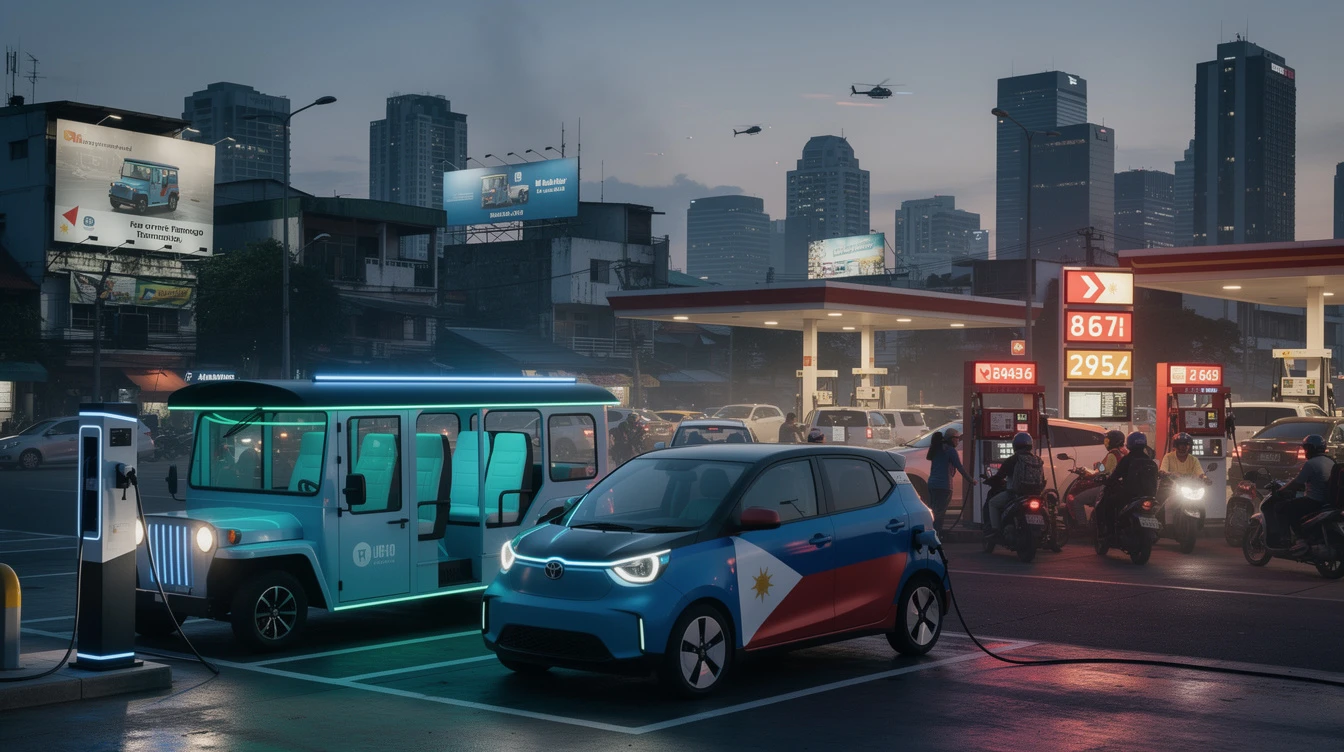
For the iconic "King of the Road" jeepney, the Electric Vehicle Association of the Philippines (EVAP), in collaboration with DOST, developed a 23-seater e-jeepney. This innovation helps drivers save substantially on fuel costs while reducing harmful emissions that contribute to air pollution in urban centers.
Hybrid Electric Train Combines Efficiency and Power
The Hybrid Electric Train, developed by DOST's MIRDC, represents another milestone in Philippine e-mobility. This train runs on both diesel and electric power stored in its batteries, offering flexibility and efficiency for rail transport needs.
Government Push for Widespread EV Adoption
Infrastructure and Support Systems in Place
DOST has also worked to establish charging infrastructure through its CHarM (Charging Station for Hybrid and Electric Vehicles) program. Transport cooperatives are encouraged to adopt e-trikes, e-jeepneys, and these CHarM-supported charging systems to create a more integrated e-mobility ecosystem.
Benefits for Commuters and Transport Operators
The agency is calling on both commuters and transport operators to consider EV options for daily travel. Benefits include:
- Significant reduction in daily transportation expenses
- Lower carbon footprint for environmental sustainability
- Reduced dependence on imported fossil fuels
DOST remains committed to advancing Philippine e-mobility technologies as the country navigates ongoing energy challenges.