Australia's Landmark Move to Protect Young Gamers
Australia's eSafety Commissioner has issued a formal legal notice to major online gaming platforms. This includes global giants Roblox and Microsoft's Minecraft.
The regulator demands detailed explanations of their child safety measures. Specifically, how they protect young users from grooming and radicalization.
This move represents a significant escalation in global digital safety enforcement. Platforms face penalties for non-compliance.
Why This Matters for Filipino Families
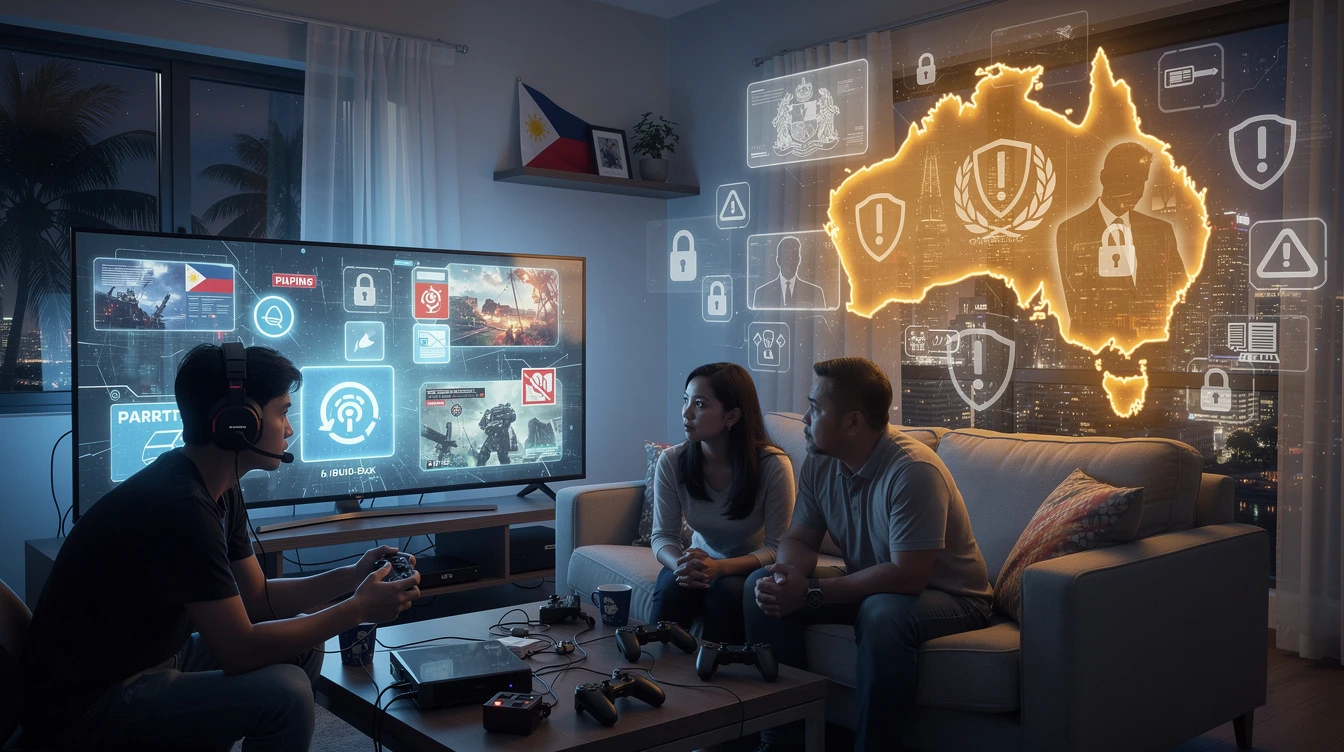
The Philippines has one of the world's youngest and most active online gaming populations. Millions of Filipino children regularly access platforms like Roblox.
These virtual worlds are social spaces where risks can hide. The Australian action highlights universal dangers that transcend borders.
"What happens in Australia's digital ecosystem is a mirror to our own," says child safety advocate Maria Santos. "Our children face identical threats."
The Specific Risks: Grooming and Radicalization
Grooming involves predators building trust with children for exploitation. Radicalization refers to exposure to extremist ideologies.
Both can occur through in-game chat, private messages, or user-generated content. The interactive nature of these platforms increases vulnerability.
Australia's regulator is seeking concrete data on detection systems and response protocols. They want transparency on how platforms intervene.
The Philippine Gaming Landscape: A Vulnerability Assessment
Data shows Filipino youth are exceptionally engaged online. Many spend hours daily in multiplayer games with communication features.
Parental awareness of these risks often lags behind children's technical proficiency. The cultural norm of shared family devices adds complexity.
"Our regulatory framework is still catching up to these evolving threats," notes cybersecurity expert Dr. Leo Cruz. "We lack specific mandates for gaming platforms."
For more on digital trends affecting Filipino youth, see our Technology section.
What Australia Is Asking For
The eSafety Commissioner's notice requires detailed information within 28 days. Platforms must outline their current safety policies and enforcement.
Key questions include how they prevent harmful contact and what age assurance tools they use. They must also detail complaint processes and moderation resources.
This information could set a new global standard for platform accountability. Other nations may follow Australia's lead.
Potential Penalties for Non-Compliance
Australian law allows for substantial fines against companies that fail to respond adequately. This gives the regulator significant leverage.
While these are foreign platforms, their global policies affect all users. Changes made for Australia may improve safety worldwide.
However, experts caution that localized threats require localized solutions. A one-size-fits-all approach may not address Philippine-specific risks.
Expert Opinions: A Call for Philippine Action
"This should be a catalyst for our own National Privacy Commission and DICT," argues child rights lawyer Atty. Carla Reyes. "We need proactive inquiries, not reactive measures."
Education specialists emphasize digital literacy. "Safety begins with awareness," says teacher and parent coach Benjie Lim. "We must teach children to recognize red flags."
Platforms themselves have a responsibility to design safer experiences. This includes robust parental controls and clear reporting mechanisms.
Explore family-focused content in our Lifestyle category.
Practical Steps for Filipino Parents Today
Parents don't need to wait for government action. Several immediate steps can enhance safety.
First, engage with your child's gaming world. Play together and understand the platforms they use.
Second, activate all available privacy and parental control settings. Regularly review friend lists and chat logs.
Third, maintain open communication. Teach children to report uncomfortable interactions immediately.
Finally, stay informed about platform updates and safety tools. Your vigilance is the first line of defense.
The Future Outlook: Regulation and Responsibility
Australia's move may inspire similar regulatory actions in other countries. The European Union's Digital Services Act already imposes strict obligations.
The Philippines could develop its own framework tailored to local context. Collaboration between government, platforms, and civil society is essential.
Ultimately, protecting children online is a shared responsibility. It requires effort from regulators, companies, parents, and educators alike.
For ongoing coverage of issues affecting Filipino families, visit our News hub.
Conclusion: A Global Issue with Local Urgency
Australia's demand for transparency from Roblox and Minecraft is more than a foreign news item. It's a critical alert for the Philippine digital community.
The risks of grooming and radicalization in online games are real and present. Our children's safety depends on awareness, education, and appropriate safeguards.
While we await stronger local regulations, parental engagement remains paramount. The virtual playground must be as safe as the physical one.
This moment calls for collective action to ensure our young gamers can explore, create, and socialize securely.