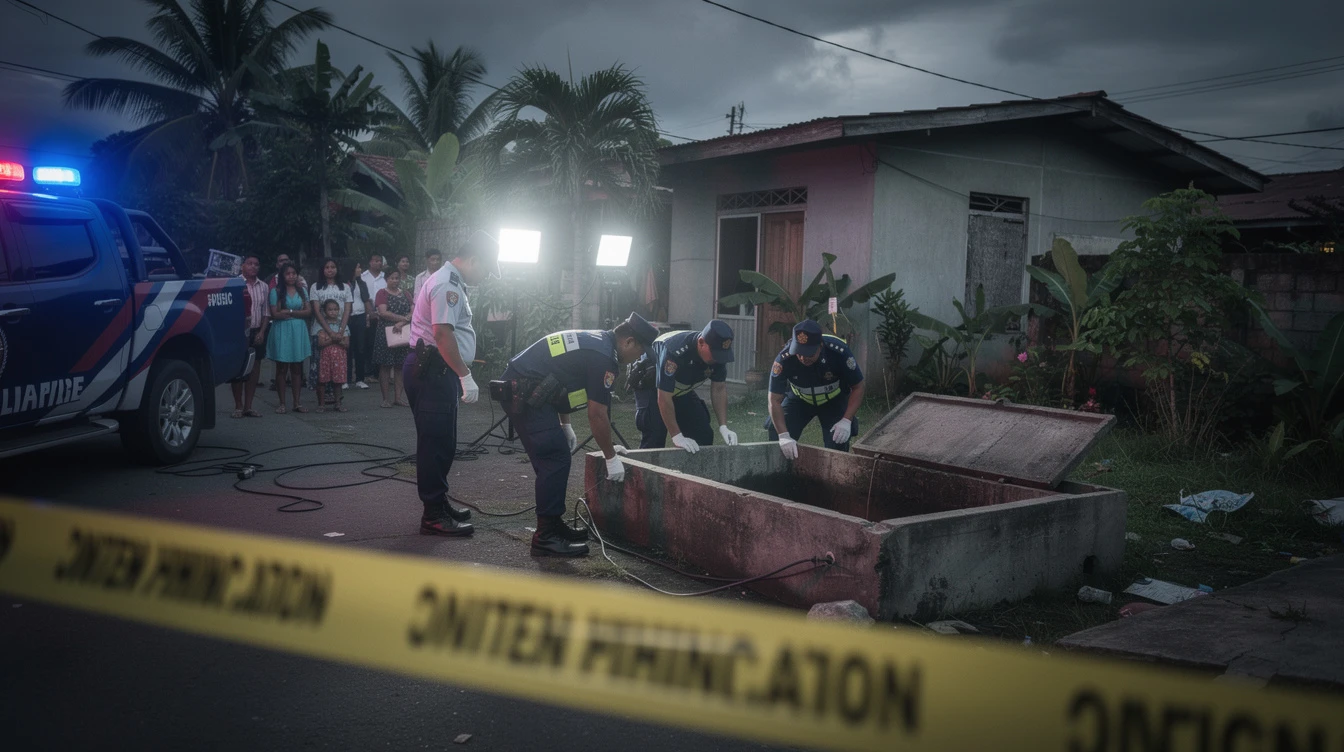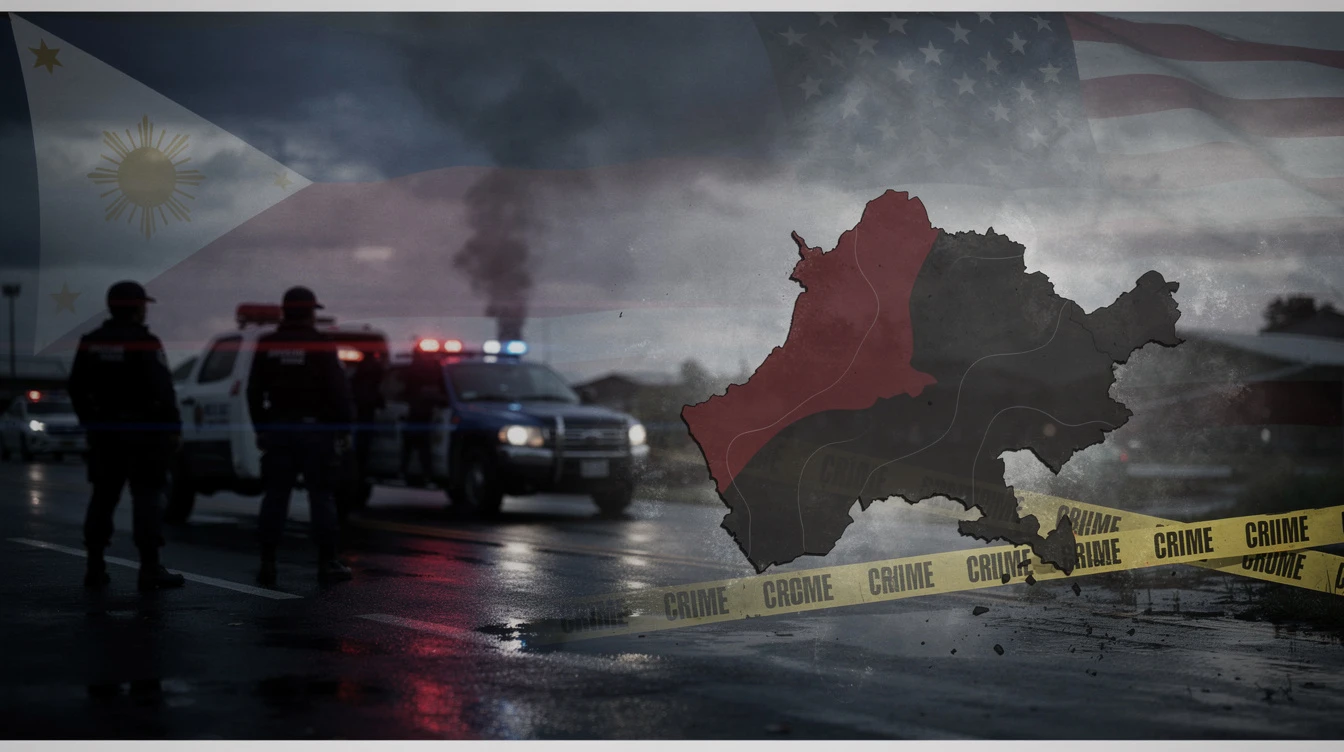
Manila, Philippines — Two American citizens were among the 19 people killed in a recent armed clash in Negros , authorities confirmed over the weekend. The National Task Force to End Local Communist Armed Conflict (NTF-ELCAC) released a statement on Saturday detailing the identities and circumstances of the fatalities.
The incident marks a rare involvement of foreign nationals in the Philippines’ decades-long counterinsurgency campaign. It has also sparked questions about the extent of international presence among local rebel groups.
Americans
According to the NTF-ELCAC, the clash occurred in a remote area of Negros Occidental . The 19 dead included two U.S. citizens, whose identities have not been publicly released pending notification of their families.
Officials said the operation targeted members of the Communist Party of the Philippines (CPP) and its armed wing, the New People’s Army (NPA). The NTF-ELCAC described the clash as a "legitimate law enforcement operation" against terrorist-designated individuals .
The fatalities also included three individuals recently named in a terrorist designation : Ladlad , Casambre , and Silva . Their inclusion suggests the operation specifically targeted high-value figures in the local communist movement.
Among
The remaining 14 casualties were believed to be NPA combatants or civilian supporters. Civilian casualties have not been ruled out, and human rights groups are calling for an independent investigation.
The presence of American nationals among the dead has drawn attention from U.S. diplomatic missions in the Philippines. The U.S. Embassy in Manila has not yet issued a public statement, but sources indicate it is coordinating with Philippine authorities.
This incident could affect Philippine-U.S. security relations , particularly under the Enhanced Defense Cooperation Agreement (EDCA). Some analysts see this as evidence of foreign fighters joining local insurgencies.
Security analyst Dr. Maria Reyes of the University of the Philippines said: "The involvement of foreign nationals, especially Americans, is rare but not unprecedented. It raises questions about international recruitment by the NPA in recent years."
She added that the Philippine government must provide clear evidence to avoid diplomatic tensions.
The NTF-ELCAC statement said the 19 individuals were among a group recently designated as terrorists . Under Philippine law, a terrorist designation allows authorities to freeze assets, conduct surveillance, and use lethal force during operations.
The designation list reportedly includes over 30 names. Critics argue the process lacks transparency, but the government defends it as a vital tool against armed groups.
Negros Occidental has been a hotspot for communist insurgency for decades. The clash occurred in a mountainous area near Himamaylan City , where the NPA has previously operated.
Local residents reported hearing heavy gunfire for several hours. Schools and businesses in nearby villages were temporarily closed. The Philippine Army has since deployed additional troops to prevent retaliatory attacks.
Human rights group Karapatan condemned the operation, calling for "full accountability and transparency" regarding civilian casualties. They noted that past clashes in Negros have sometimes resulted in unlawful killings .
Philippine National Security Adviser Eduardo Año said the operation demonstrated the government’s resolve to end the communist insurgency. He urged remaining NPA members to surrender and avail of the Enhanced Comprehensive Local Integration Program (E-CLIP).
Meanwhile, the Department of Foreign Affairs is in touch with the U.S. Embassy. Officials expect a joint review of the operation to ensure it followed rules of engagement.
The CPP-NPA has been fighting a Marxist-Leninist insurgency since 1969. Despite peace talks and military campaigns, the group remains active in parts of Luzon, the Visayas, and Mindanao.
According to military data, 2024 saw a decline in NPA guerilla fronts to fewer than 10. However, clashes like this one show the group can still mount significant operations.
For more analysis on Philippine security issues, visit ourSecurity section and learn about our mission atPinoyPulse.com.
Killed
The deaths of two Americans in Negros marks a significant escalation in the Philippines’ internal conflict. It underscores the international dimension of the insurgency and the risks faced by all parties involved.
Moving forward, transparency in investigations and diplomatic coordination will be key. The Philippine government must balance security operations with human rights obligations to maintain both domestic and international trust.