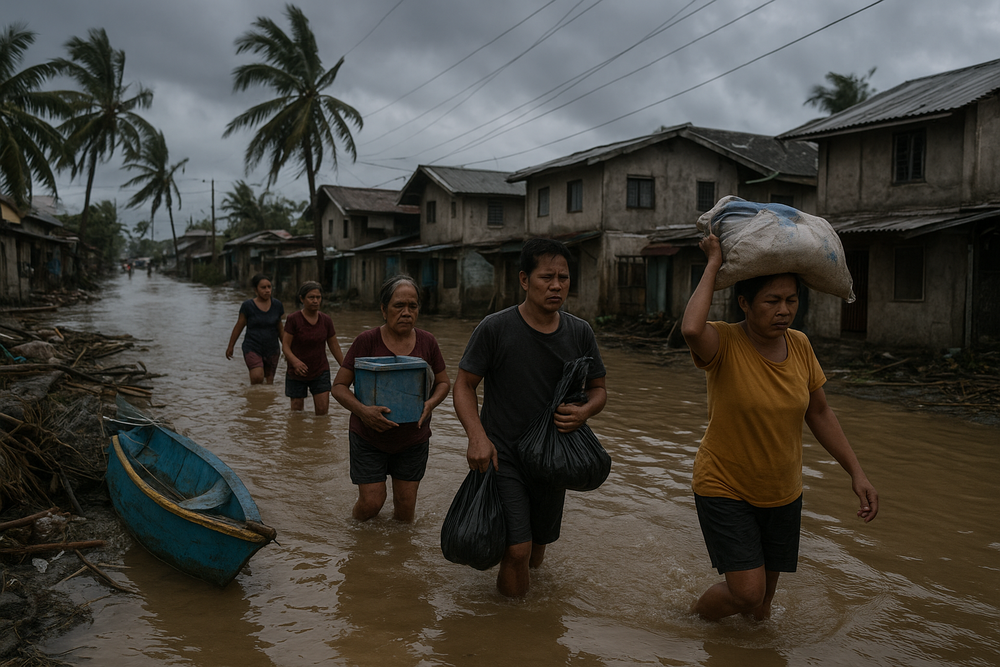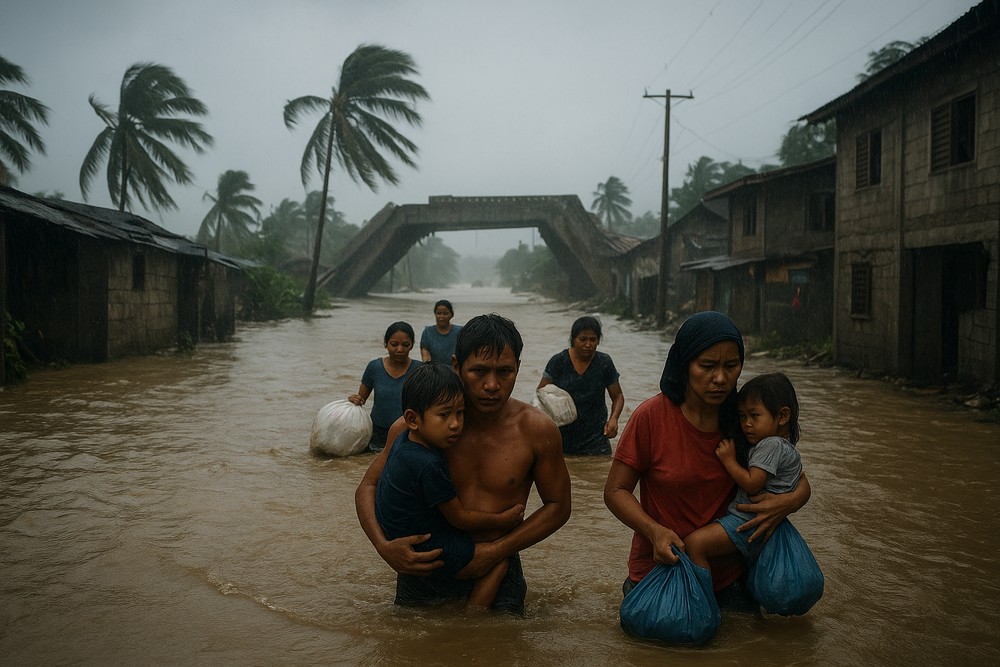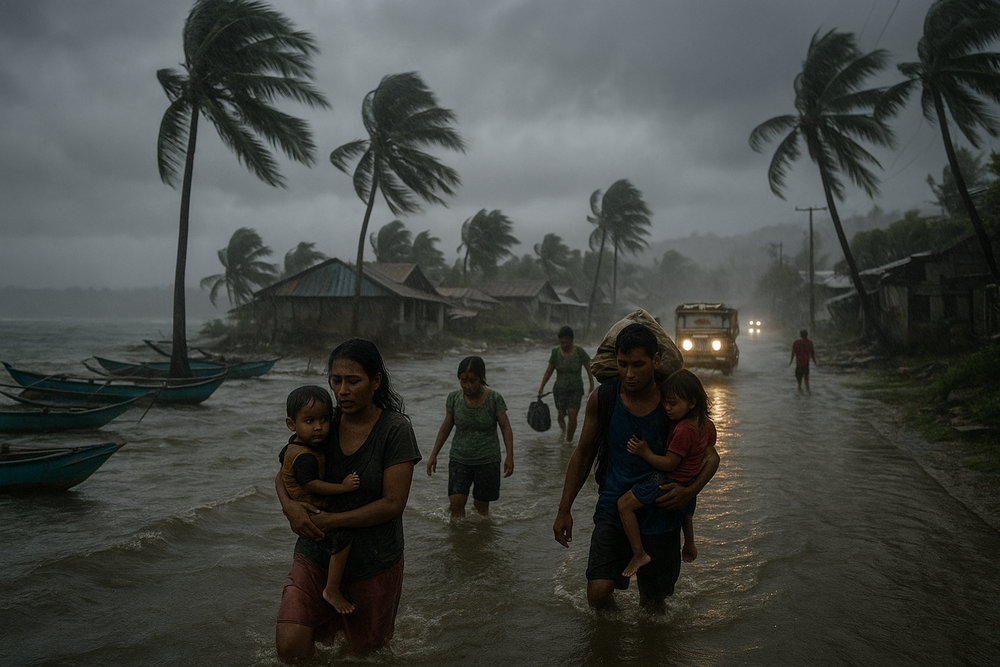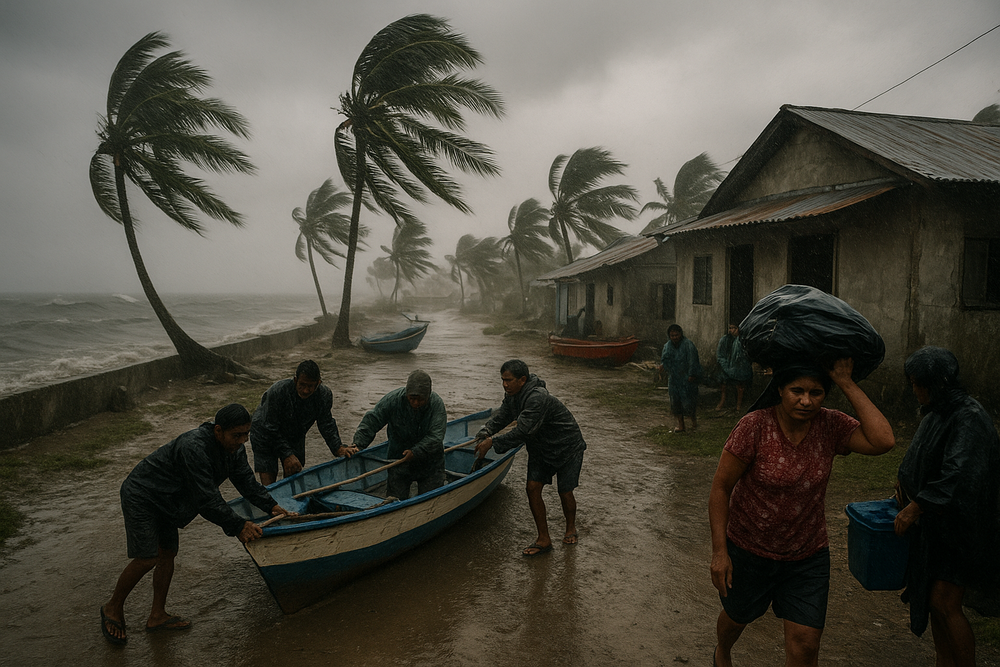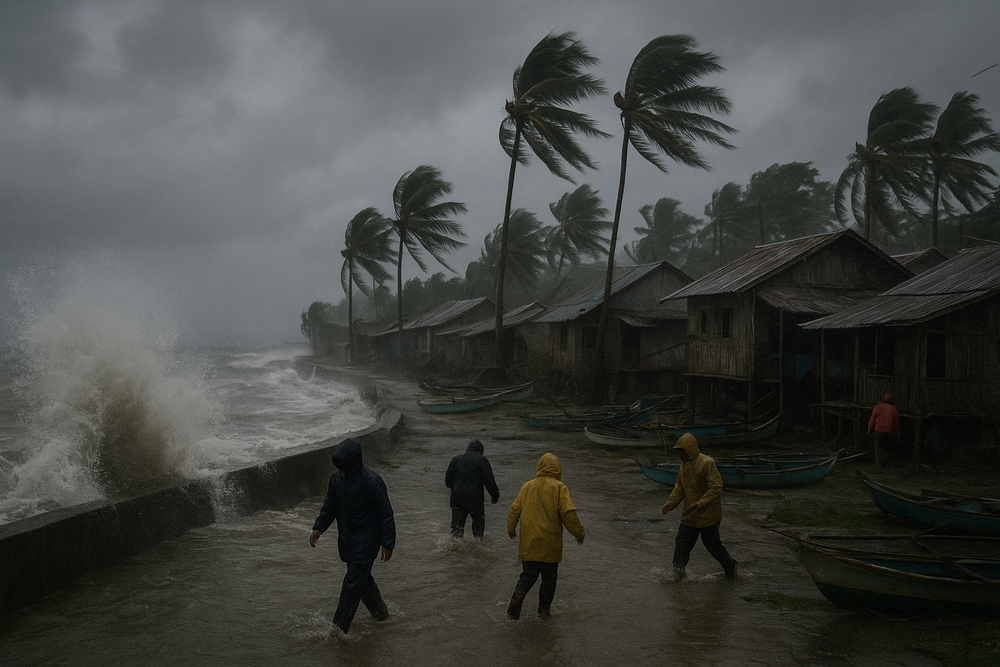
Typhoon Basyang has made landfall over Bayabas, a small coastal municipality in Surigao del Sur in the southern Philippines, placing nearly 9,000 residents along the Caraga coastline in the storm’s direct path. As of publication, Philippine authorities have yet to release official damage or casualty reports, underscoring both the event’s immediacy and the challenges of rapid assessment in remote rural areas.
A Coastal Town on the Front Line
Bayabas sits on 117.84 square kilometres of mostly rural terrain facing the Philippine Sea. Home to 8,979 people according to the 2020 census, it is the least populated municipality in Surigao del Sur, yet among the most exposed when tropical systems move inland from the Pacific. Several barangays, including the most populous, La Paz, lie only a few metres above sea level, leaving homes and livelihoods vulnerable to storm surges and flooding.
The municipality has invested in a seawall as a first line of defence, but the geography remains unforgiving. Like many coastal communities in Mindanao, Bayabas balances daily life—fishing, farming and small-scale trade—against the growing intensity of tropical weather.
What Is Known So Far
Philippine disaster agencies, including PAGASA and the National Disaster Risk Reduction and Management Council, have not yet issued detailed situation reports on Basyang’s impact on Bayabas. There are no confirmed figures on damaged homes, disrupted infrastructure or displaced families.
This absence of data is not unusual in the immediate aftermath of landfall in remote areas. Communication gaps, damaged roads and intermittent power can delay assessments by hours or days, even as local authorities begin initial response operations under the Philippines’ disaster management law.
A Young and Tightly Knit Community
Bayabas’s population profile adds another layer of concern. Census data show that children aged five to nine form the largest age group, and households average nearly five members. School closures, temporary evacuations and food supply interruptions tend to ripple quickly through such communities, affecting education and household stability as much as physical safety.
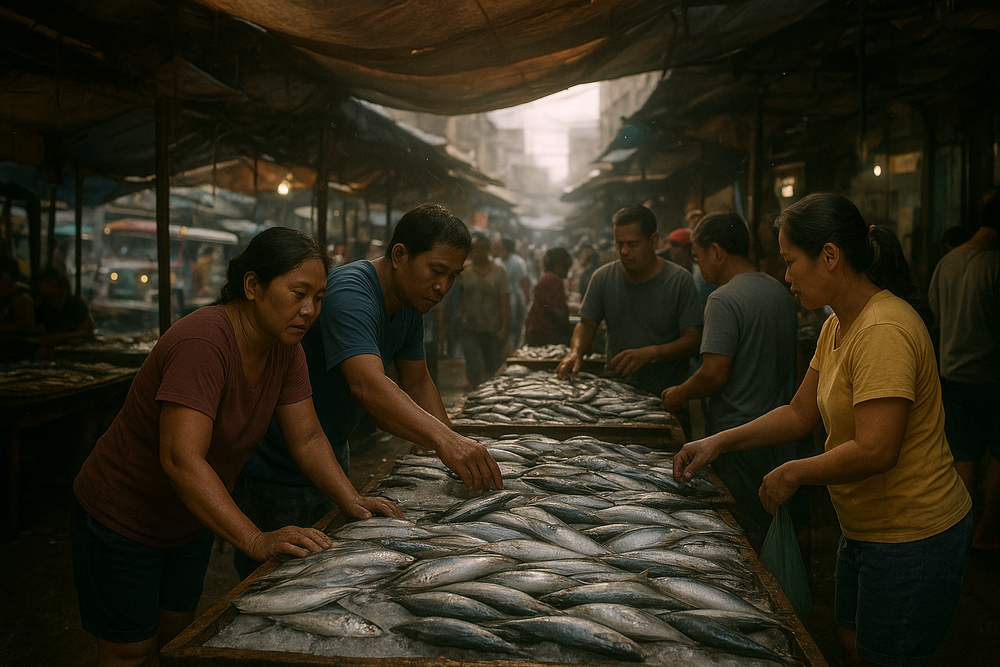
Many residents depend on fishing and agriculture, including copra and abaca, sectors highly sensitive to strong winds and heavy rain. When boats stay ashore and crops are flattened, income losses can be immediate, often felt first in local markets and small family-run shops.
Local Government Under Pressure
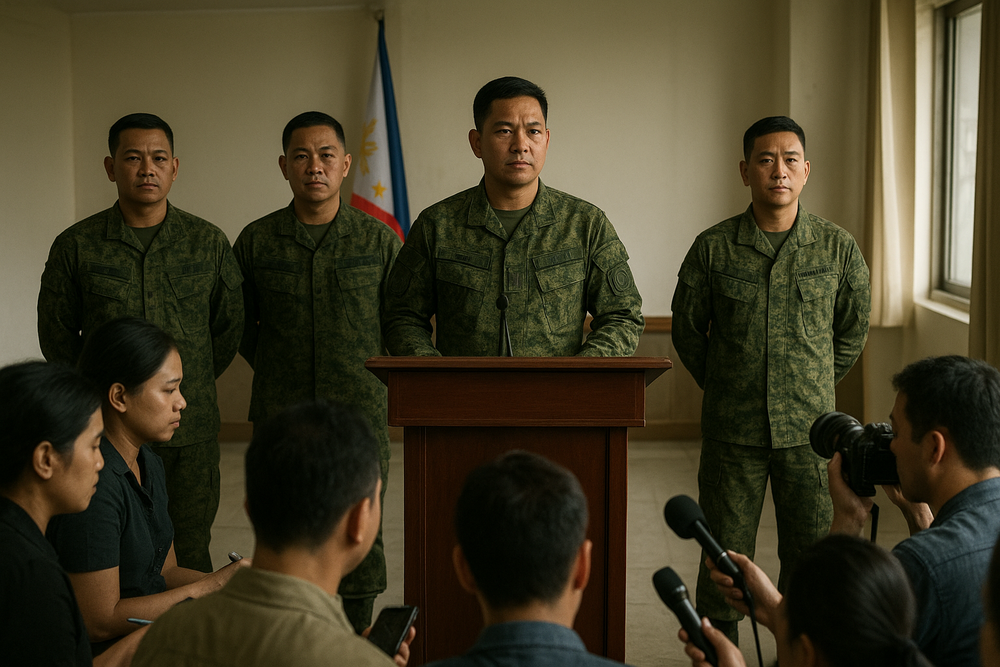
Under the Philippine Disaster Risk Reduction and Management Act, the Bayabas local government is responsible for early warnings, evacuations and coordination with provincial authorities. In recent years, the municipality’s revenues have grown, theoretically providing more resources for preparedness and recovery.
Still, landfall events like Basyang test the limits of small local governments, particularly when storms strike outside the national spotlight. The speed at which assistance reaches places like Bayabas often shapes public confidence as much as the storm itself.
A Reminder of Broader Vulnerabilities
For readers far from the Pacific—whether in Europe or the Mediterranean—Basyang’s landfall is a reminder that climate risk is intensely local. Bayabas contributes little to global emissions, yet it sits on the front lines of increasingly volatile weather, much like low-lying coastal towns elsewhere in the world.
As assessments continue, attention will turn to how quickly aid arrives, how well defences held and what lessons emerge for future storms. For now, Bayabas waits, weathered but watchful, as the full measure of Typhoon Basyang’s impact comes into focus.