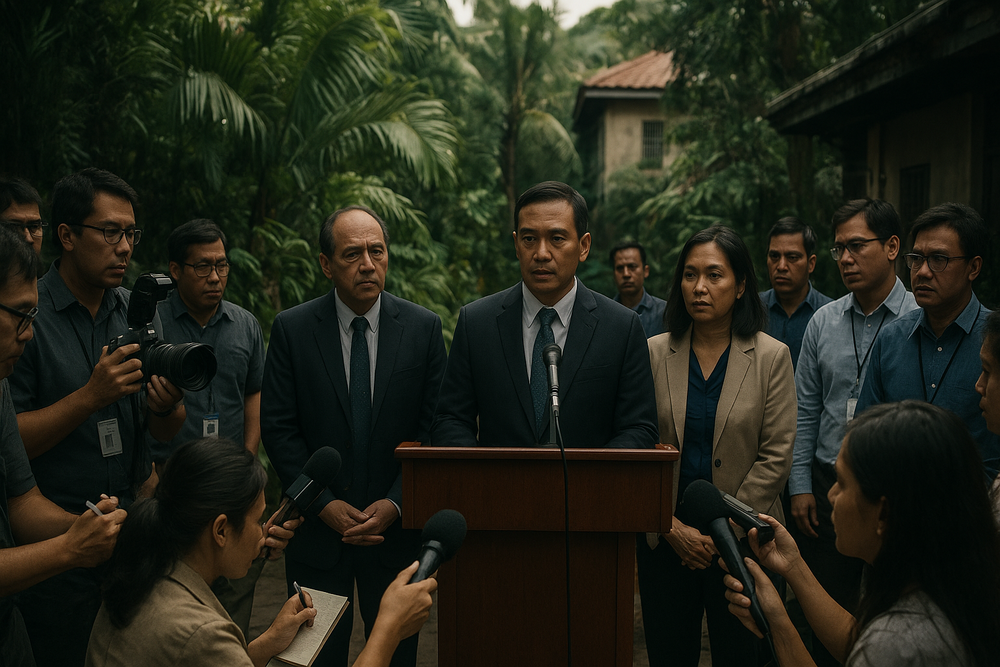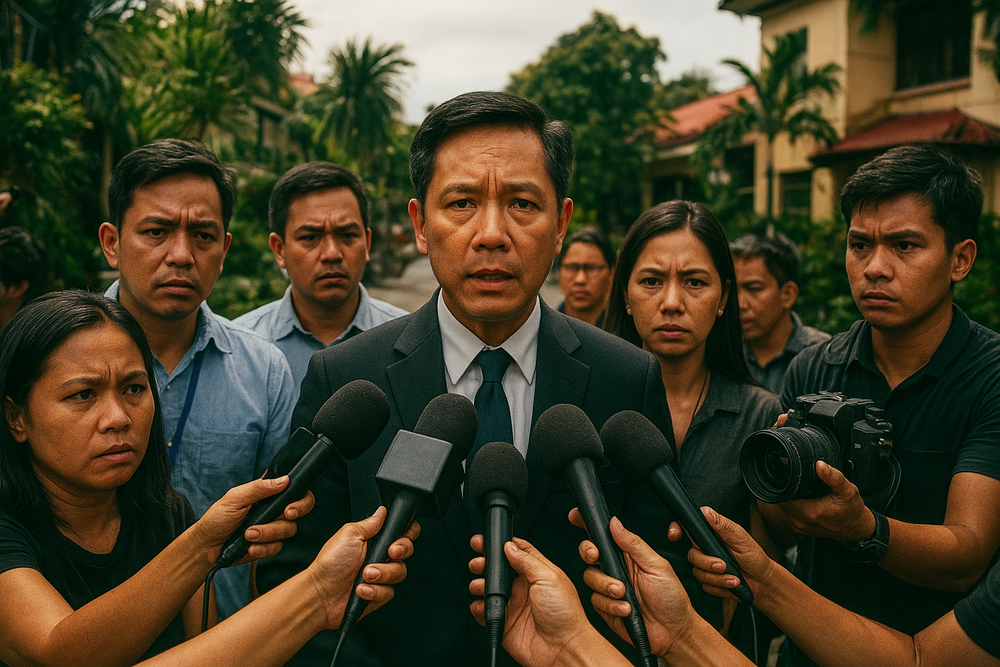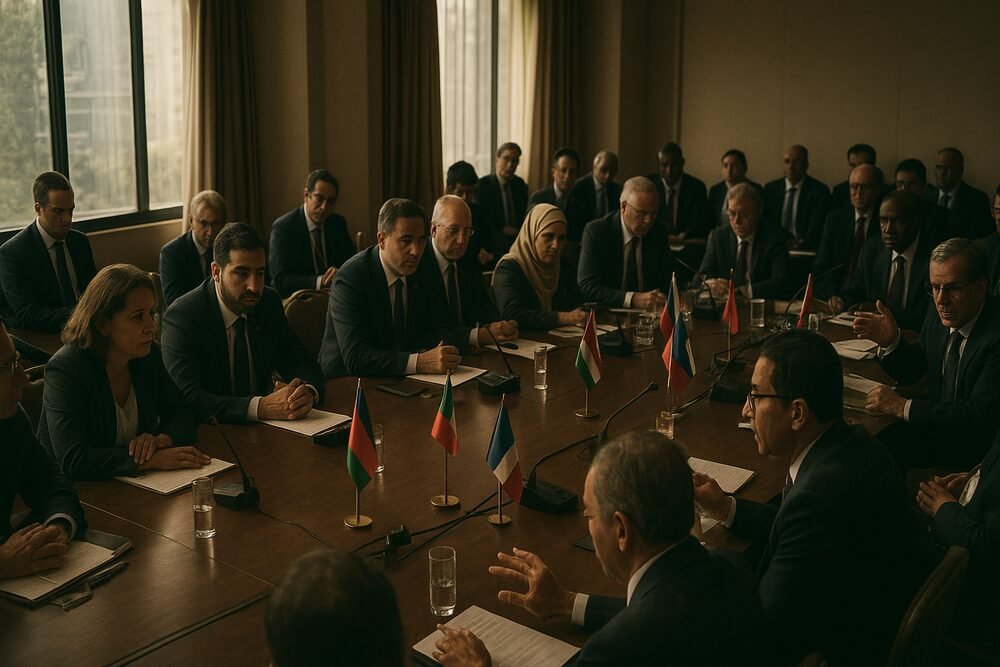
WASHINGTON — More than 20 countries gathered in Washington on Thursday for the inaugural meeting of President Donald Trump’s newly formed Board of Peace, a multilateral body the White House says will spearhead global peace efforts, particularly the reconstruction of war-torn Gaza. The initiative, approved unanimously by the United Nations Security Council in November 2025, is already drawing sharp scrutiny abroad and in the United States over its structure and long-term implications.
The meeting, held at the United States Institute of Peace, marked the formal launch of what Mr. Trump framed as an alternative platform for international diplomacy. While administration officials hailed broad participation, several major powers — including Norway, France and the European Union — were notably absent.
A New Forum for Middle East Peace
Opening the session shortly after 9 a.m. Eastern Time on February 19, Mr. Trump described the gathering as a milestone in collective diplomacy.
“So many of our friends in Europe are attending today, and we’re eager to have them become full members. They all want to become full members… some [countries] are trying to play cute,” the president said.
The White House has cast the Board of Peace as a streamlined mechanism to tackle complex geopolitical crises, with a particular focus on Gaza. A joint assessment by the World Bank, United Nations and European Union, released the same day, estimated that rebuilding Gaza would cost approximately $53 billion.
Administration officials argue the board will accelerate coordination and funding for such efforts, positioning it as more nimble than existing multilateral institutions.
Structure Raises Questions
Yet the board’s governance model has stirred controversy. Under its current framework, Mr. Trump serves as lifelong chairman and holds veto authority over decisions — provisions that critics say concentrate excessive power in the office of the U.S. president.
Sen. Ed Markey, Democrat of Massachusetts, sent a letter to Secretary of State Marco Rubio questioning the legality of the arrangement and whether it complies with statutory requirements for congressional notification of international commitments.
In contrast, allies of the administration have defended the initiative. A spokesperson for Sen. Jim Risch, a Republican, signaled support through committee channels, citing the UN Security Council’s prior approval as sufficient foundation.
Despite that endorsement, skepticism among some U.S. partners remains palpable. One European diplomatic official said, “Most countries that matter do not want an ill-defined, permanently Trump-led organization to compete with or supersede existing multilateral organizations.”
High-Level Attendance, Notable Absences
The session featured senior administration figures, including Vice President J.D. Vance, Secretary of State Marco Rubio, Special Envoy Steve Wickoff, and senior adviser Jared Kushner. One speaker introducing the officials told attendees, “It’s a team. I think it’s the best team ever assembled. And you see that by the results.”
In January, more than two dozen prospective members were welcomed at the World Economic Forum in Davos, setting the stage for Thursday’s formal convening.
Still, the absence of key European nations underscored lingering unease about how the board will function alongside established institutions such as the United Nations. The U.S. State Department has also rejected assertions that Washington’s $4 billion in arrears to the UN amounts to a debt, a point raised amid concerns about America’s shifting posture toward traditional multilateral frameworks.
Palestinian Priorities in Focus
Ali Shaath, head of a Palestinian technocratic committee overseeing aspects of Gaza’s governance, addressed the meeting and outlined urgent needs on the ground.
“We are operating in extremely difficult conditions,” Mr. Shaath said, emphasizing priorities including security, employment, emergency relief and restoration of basic services.
Other Palestinian civil society figures, however, have indicated limited involvement in the board’s formation, highlighting the delicate balance between international diplomacy and local participation.
Global Implications
The Board of Peace represents an ambitious attempt to reshape diplomatic channels at a time when multilateral institutions face mounting strain. For supporters, it signals decisive leadership and faster consensus-building. For critics, it risks fragmenting an already complex global order.
With more than 20 countries now seated at the table — and others weighing membership — the board’s effectiveness will likely hinge on whether it can translate bold rhetoric into tangible outcomes, particularly in Gaza, where reconstruction carries a $53 billion price tag and the humanitarian clock continues to tick.
As the meeting concluded, the administration projected confidence that additional nations would join. Whether the Board of Peace evolves into a durable pillar of global diplomacy or remains a contested experiment will become clearer in the months ahead.