U.S. President Donald Trump has called on Republicans to “nationalize” voting in at least 15 places, arguing that the federal government should take over election operations in states he says cannot count ballots “legally and honestly.” The remarks, repeated over several days in interviews and from the Oval Office, have sparked sharp bipartisan pushback and revived constitutional questions about who controls American elections.
Trump offered no list of the states he had in mind, but he again pointed to major cities he has long criticised — Philadelphia, Detroit and Atlanta — all in battleground states where he lost the 2020 election. His statements come amid renewed federal scrutiny of state voting systems, including FBI seizures of old election records in Georgia and Justice Department demands for voter data from several states.
A Call to “Take Over” Elections
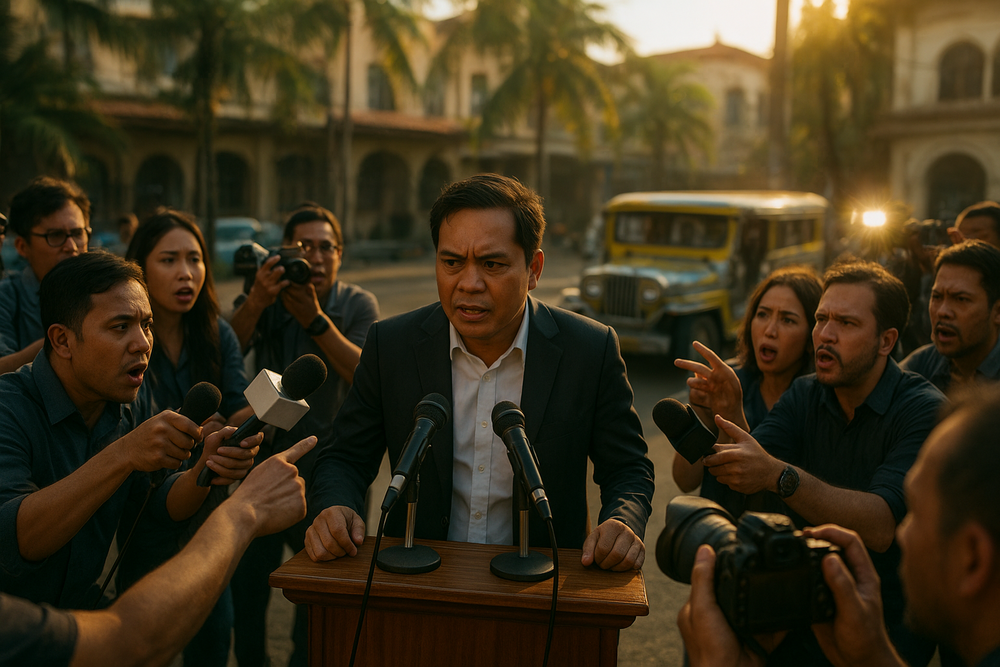
Speaking on a conservative podcast and later to reporters this week, Trump argued that Republicans should move to seize control of election administration in multiple states.
“The Republicans should say, ‘We want to take over,’” Trump said. “We should take over the voting, the voting in at least many — 15 places. The Republicans ought to nationalize the voting.”
A day later, he reinforced the point at the White House: “If [states] can’t count the votes legally and honestly, then somebody else should take over.”
The language marked one of Trump’s clearest endorsements yet of a federal takeover of state-run elections — an idea that cuts against the structure of the U.S. Constitution, which gives states primary authority over how elections are run.
Constitutional Lines and Bipartisan Resistance
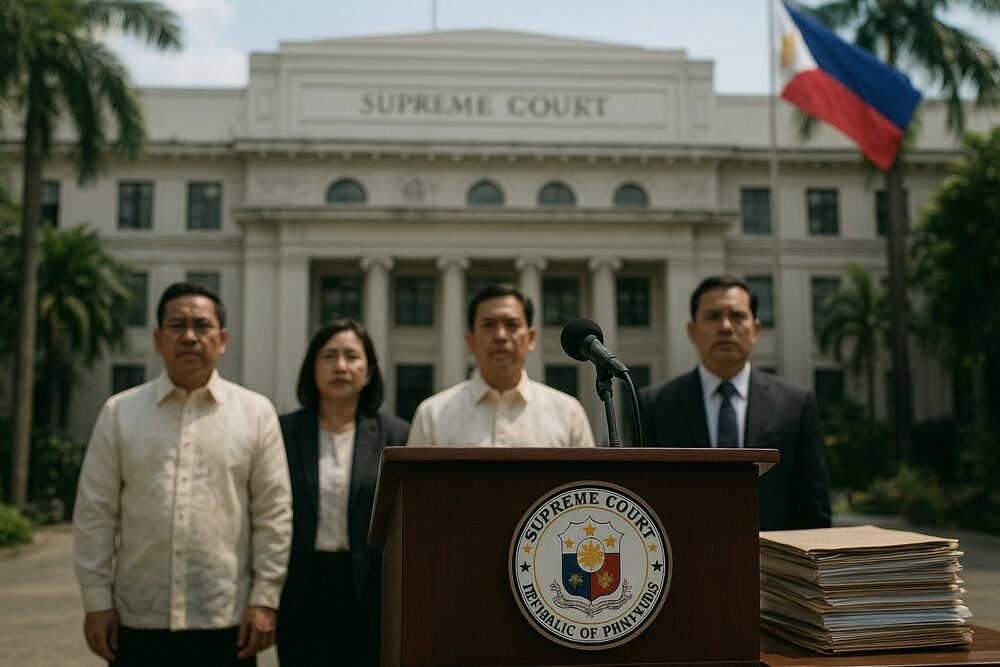
Under Article I, Section 4 of the Constitution, states set the “times, places and manner” of elections, with Congress — not the president — allowed to alter rules by law. Legal experts say the president has no unilateral power to assume control of state voting systems, making Trump’s proposal largely symbolic unless paired with sweeping legislation.
That constitutional boundary has prompted resistance not only from Democrats but also from senior Republicans. Senate Majority Leader John Thune said the idea of nationalising elections runs headlong into constitutional limits, a view echoed quietly by other GOP officials.
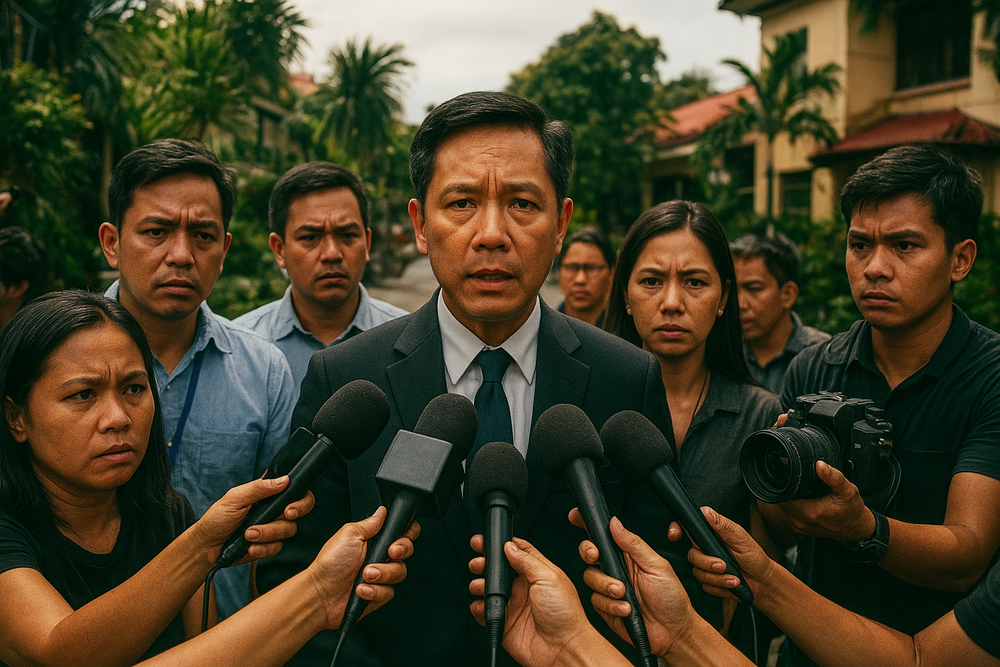
State election administrators have been even more direct. In Pennsylvania, where Trump lost by more than 80,000 votes, officials across party lines stressed that the 2020 election was repeatedly reviewed and confirmed.
“Every single review of every single county in the commonwealth has come back within a very small difference, if any, of the results reported back in 2020,” one state official said. “Thousands of election officials — Democrats, Republicans, and Independents alike — across the Commonwealth’s 67 counties will continue to ensure we have free, fair, safe, and secure elections.”
Federal Pressure on States Intensifies
Trump’s comments coincided with aggressive federal actions that have unsettled state governments. In late January, the FBI seized 2020 election ballots and records in Fulton County, Georgia, home to Atlanta, as part of an ongoing investigation. The move drew protests from local officials, who said the records had already been audited and stored in line with state law.
At the same time, the Justice Department, under Attorney General Pam Bondi, has pressed states such as Nevada and Minnesota to hand over voter rolls and personal data, including partial Social Security numbers and driver’s licence information. Nevada — one of 14 U.S. states without a strict voter ID requirement — has resisted, calling the demand a violation of state privacy laws.
The White House has loosely linked Trump’s rhetoric to support for the proposed SAVE Act, a Republican-backed bill that would require proof of citizenship to register to vote. Trump himself did not mention the legislation when calling for a federal takeover.
Old Claims, No New Evidence
Trump’s renewed focus on cities with large Black populations has drawn criticism from local officials who say he continues to cast doubt on elections without evidence. In Philadelphia, election commissioners from both parties rejected claims of fraud, noting that the city’s results were repeatedly upheld in court.
Election law specialists say the president’s claims rest more on grievance than proof. Reviews, audits and recounts across swing states after 2020 found only minor discrepancies — the kind expected in any large election — and none that came close to altering outcomes.
The approach, one expert said, is like “calling the fire brigade years after the house inspection found no smoke damage.” The spectacle may command attention, but it does not change the underlying facts.
Why It Matters Beyond Washington
While the controversy is firmly rooted in U.S. politics, its ripples extend overseas. For countries like Malta, where election administration is nationally organised but tightly regulated, the dispute highlights the fragility of trust even in long‑established democracies.
It also resonates with communities abroad, including hundreds of thousands of overseas voters in the United States who rely on clear, stable election rules. For them, uncertainty over who controls the ballot box can feel less like a legal debate and more like a test of democratic confidence.
For now, Trump’s call to “nationalize” voting remains a political demand without a clear legal path. But as federal pressure on states intensifies and old arguments are repackaged for a new election cycle, the fight over who guards the vote is once again moving to the centre of American public life.